

Volume 12, Issue 1 (Autumn 2026)
Health in Emergencies and Disasters Quarterly 2026, 12(1): 51-60 |
Back to browse issues page



Ethics code: IR.TBZMED.REC.1397.7.95


Download citation:
BibTeX | RIS | EndNote | Medlars | ProCite | Reference Manager | RefWorks
Send citation to:


BibTeX | RIS | EndNote | Medlars | ProCite | Reference Manager | RefWorks
Send citation to:
Sadeghi-bazargani H, Golestani M, Yazdani M, Pourebrahim K, Yousefi Z. Economic Evaluation of Urban Road Safety Interventions in Iran: A Cost-benefit Analysis. Health in Emergencies and Disasters Quarterly 2026; 12 (1) :51-60
URL: http://hdq.uswr.ac.ir/article-1-750-en.html
URL: http://hdq.uswr.ac.ir/article-1-750-en.html
Homayoun Sadeghi-bazargani1 

 , Mina Golestani *2 , Mirbahador Yazdani3 , Khalil Pourebrahim1 , Zhila Yousefi4
1- Road Traffic Injury Research Center, Tabriz University of Medical Sciences, Tabriz, Iran.
2- Road Traffic Injury Research Center, Tabriz University of Medical Sciences, Tabriz, Iran. ,mgolestani8958@gmail.com
3- Department of Civil Engineering, Faculty of Engineering, University of Bonab, Bonab, Iran.
4- Health in Emergency and Disaster research Center, Social Health Research Institute, University of Social Welfare and Rehabilitation Sciences, Tehran, Iran.
2- Road Traffic Injury Research Center, Tabriz University of Medical Sciences, Tabriz, Iran. ,
3- Department of Civil Engineering, Faculty of Engineering, University of Bonab, Bonab, Iran.
4- Health in Emergency and Disaster research Center, Social Health Research Institute, University of Social Welfare and Rehabilitation Sciences, Tehran, Iran.
Full-Text [PDF 507 kb]
(687 Downloads)
| Abstract (HTML) (1869 Views)
Full-Text: (3 Views)
Introduction
Road traffic accidents are among the major public health challenges and major political priorities worldwide. In Iran, this issue has attracted considerable attention, and the country is among the top five countries with the most unsafe roads (red list). Despite having less than 1% of the world’s population, Iran reportedly accounts for 2% of global road traffic deaths, which is 1.5 times higher than the global average [1]. Road safety plays a crucial role in reducing accidents. Therefore, conducting rigorous economic analyses is essential to maximize the efficiency and economic returns of road safety improvement projects [2]. Economic evaluation of road safety programs serves as a key tool for policymakers in transport planning. This objective can be achieved through the active participation of government agencies, society, and other stakeholders, as well as by strengthening cooperation among transportation operators, road users, and society [3]. International studies have shown that many countries have implemented measures, such as eliminating accident-prone locations, that have improved road safety. For example, Elvik et al. analyzed the impact of eliminating accident-prone locations on suburban roads and found that crash-related damages and injuries decreased by 26% and 19%, respectively [4].
Highway safety management begins with identifying black spots, also known as road hazards, high-risk areas, accident-prone areas, promising locations, or priority inspection locations [5, 6]. Black spots are accident hotspots with a historically high incidence of crashes. Spakova et al. used an optimized cost-benefit and cost-effectiveness model considering multiple periods to maximize benefits within a limited budget [7]. Harwood et al. also proposed a process for allocating resources to maximize the efficiency of road safety efforts, including maintaining structural integrity and construction quality in non-highway facilities
8]. Statistics from 2015 show that the fatality rate in Iran was 37 people per 10,000 vehicles, whereas the global rate was 9 people per 10,000 vehicles [9]. Traffic accidents have the highest fatality rates in some regions. The accurate identification of these areas, known as black spots, using sufficient and reliable information, along with planning to determine effective safety solutions to reduce risks at these strategic points, can have a significant impact on preventing road accidents [10].
Materials and Methods
Study design and setting
This retrospective cost-benefit analysis evaluated urban road safety interventions implemented in 2019 at nine accident-prone locations in Tabriz city. Outcome data were collected for the 12-month periods immediately before 2018 and after 2019 implementation. Purposive sampling was used based on specific criteria, including the highest accident and fatality rates. The inclusion criteria were: 1) The highest annual frequency of fatal crashes, 2) the highest annual frequency of injury crashes, and 3) documented economic losses from accidents. Selection was based on an integrated assessment of all three criteria by traffic engineering experts and police data specialists.
A cost-benefit analysis was conducted on 9 accident-prone areas selected from 100 accident-prone areas in Tabriz city based on traffic data and expert opinions. These safety interventions were implemented in Tabriz in 2019. Relevant data were collected through a three-part checklist addressing injuries, deaths, and social costs. The study included accidents recorded by traffic police and speed cameras at black spots in Tabriz during 2018 and 2019. Data were collected before and after the implementation of safety interventions. These safety interventions were implemented in 2019.
The main objective was to assess the cost-benefit ratio of road improvement measures in Tabriz, focusing on the analysis of fatal and injury crashes at 9 black spots within the city. Using police data, expert opinions, and engineering estimates from experts, 9 out of 100 black spots were identified as having the highest frequency of fatal and injury crashes.
Variables and data collection
The study considered independent variables, such as average fatalities, injuries, and economic losses. Each variable included the following categories: a) injuries or deaths, including the number, sex, and age of casualties, b) the budget required for each intervention, based on the specific modification implemented, c) the percentage reduction in accidents after each modification, and (d) the service life of each safety measure. Data were collected through document reviews and interviews.
Initially, the study hotspots were evaluated for confounding variables, such as daily traffic volume, annual accident statistics, lane width, and other relevant road characteristics. No statistically significant differences were observed (P>0.05). Subsequently, only 9 locations with the highest numbers of injuries and deaths and the greatest economic losses resulting from accident-related consequences, including losses, injuries, and property damage, were selected.
Safety interventions were then implemented at these hotspots, including the installation of speed bumps, violation-recording cameras, signboards, and railings. The independent variables were subsequently measured and compared again. The accident adjustment factor was then calculated, and the net benefit of each safety intervention was determined by subtracting the costs from the benefit.
The total cost of an accident includes treatment costs, vehicle repair costs, accident management costs, lost capital, and future productivity losses incurred by victims. To estimate the present value of victims’ losses, this study adopted certain assumptions reflecting social considerations: a) a social discount rate of 10% was applied, and b) a consumption rate of 20% of each individual’s productivity was assumed.
Based on the literature review, the economic evaluation of time lost because of accidents included two components: travel delay costs and costs associated with time lost during insurance claims. Assumptions regarding medical costs included the following: a) an average treatment duration of 15 days for severe injuries and 4 days for minor injuries, and b) no permanent disability was assumed, while temporary disabilities included at least one year of absence from work.
Using the human capital approach and considering hourly wages, the costs associated with lost productivity per accident were estimated. For injured persons, the treatment duration was set at 15 days for severe accidents and 3.7 days for minor accidents, based on previous research and available data. The study included accidents recorded by traffic police and speed cameras at black spots in Tabriz during 2018 and 2019. In the case of hotspot improvement projects, only the benefits resulting from increased safety and reduced accidents were included. These benefits were calculated by evaluating the present value of accident costs over the project lifetime; other direct and indirect benefits were excluded.
The main parameters affecting these calculations were the project duration and the percentage of accident reduction attributable to the intervention. The values of these parameters were extracted from literature reviews and similar domestic and international studies, with input from relevant experts for each project, using the opinions of relevant experts for each project.
Finally, total savings were determined by multiplying the annual reduction in accident costs calculated for each improved route by the number of years in the project lifetime. The cumulative savings over the project period were then used to calculate the benefit-to-cost ratio (B/C) for each intervention, which was subsequently compared across projects.
Costs were subtracted from benefits to calculate the net benefit. The B/C ratio for each project was calculated as Equation 1:
1. B/C=total benefits/total costs
Data were described using descriptive statistics (mean, standard deviation, percentage, and frequency) and analyzed using inferential statistics by SPSS software, version 22.
Results
Based on a cost-benefit analysis of nine black spots, the average benefit-cost ratio was 50.54. Most projects had ratios greater than 1, with notable examples including Sardaran Fatih (110.26), Azerbaijan Boulevard near the Justice Building (77.18), and the Chaykenar location (241.35), which had the highest ratio. However, the Abbasi intersection (0.13) and Pasdaran-Un-ibn-Ali (0.03) projects had ratios below 1. One project had a B/C ratio of exactly 1. The comparison of confounding variables before 2018 and after the 2019 intervention is presented in Table 1.
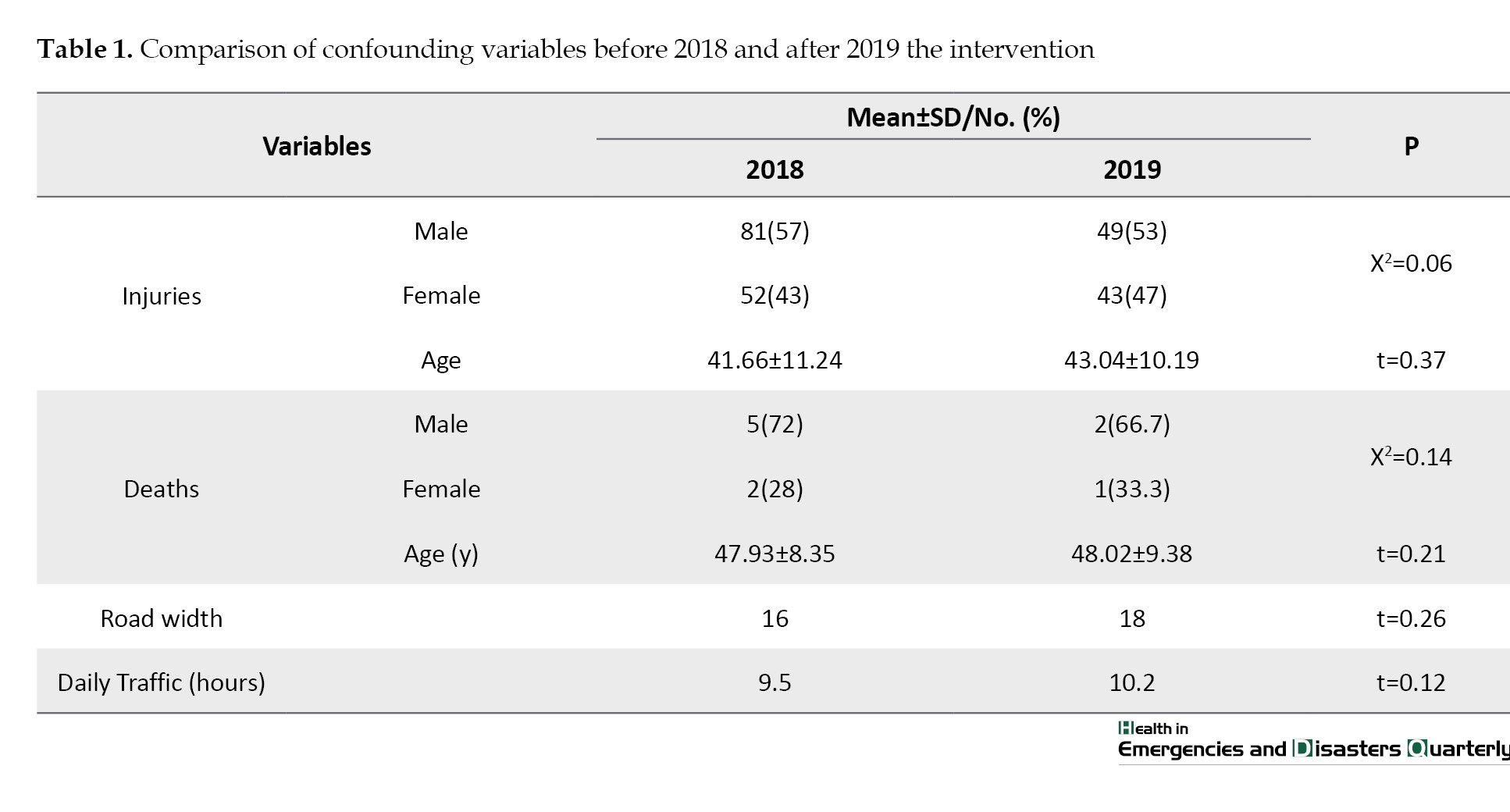
Table 2 presents road safety projects by black spots and locations.
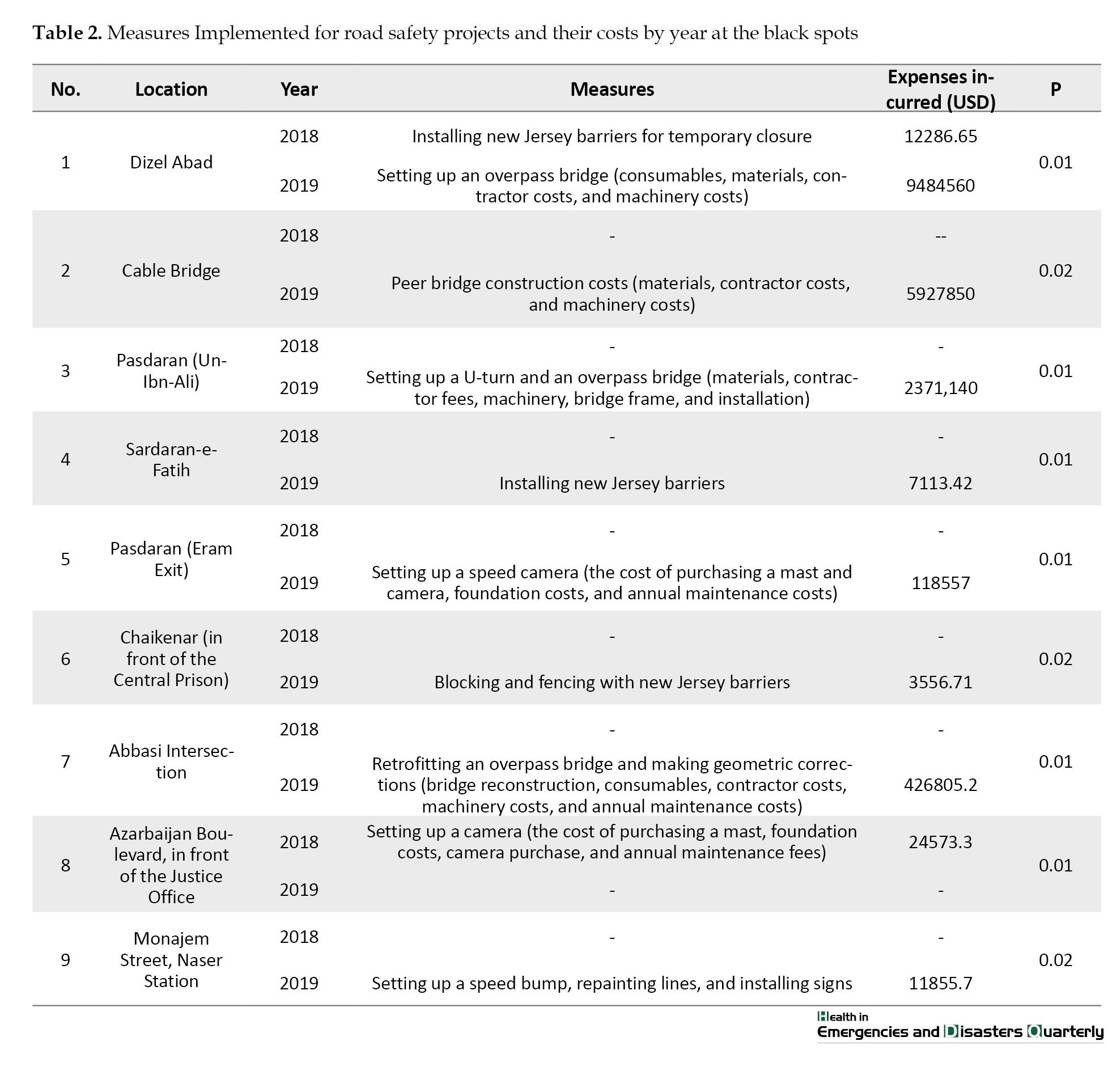
The result showed no statistical differences between the preintervention and postintervention periods based on the confounding variables (Table 2).
The mean total annual costs based on the cost items associated with accidents at each black spot in Tabriz are presented in Table 3.
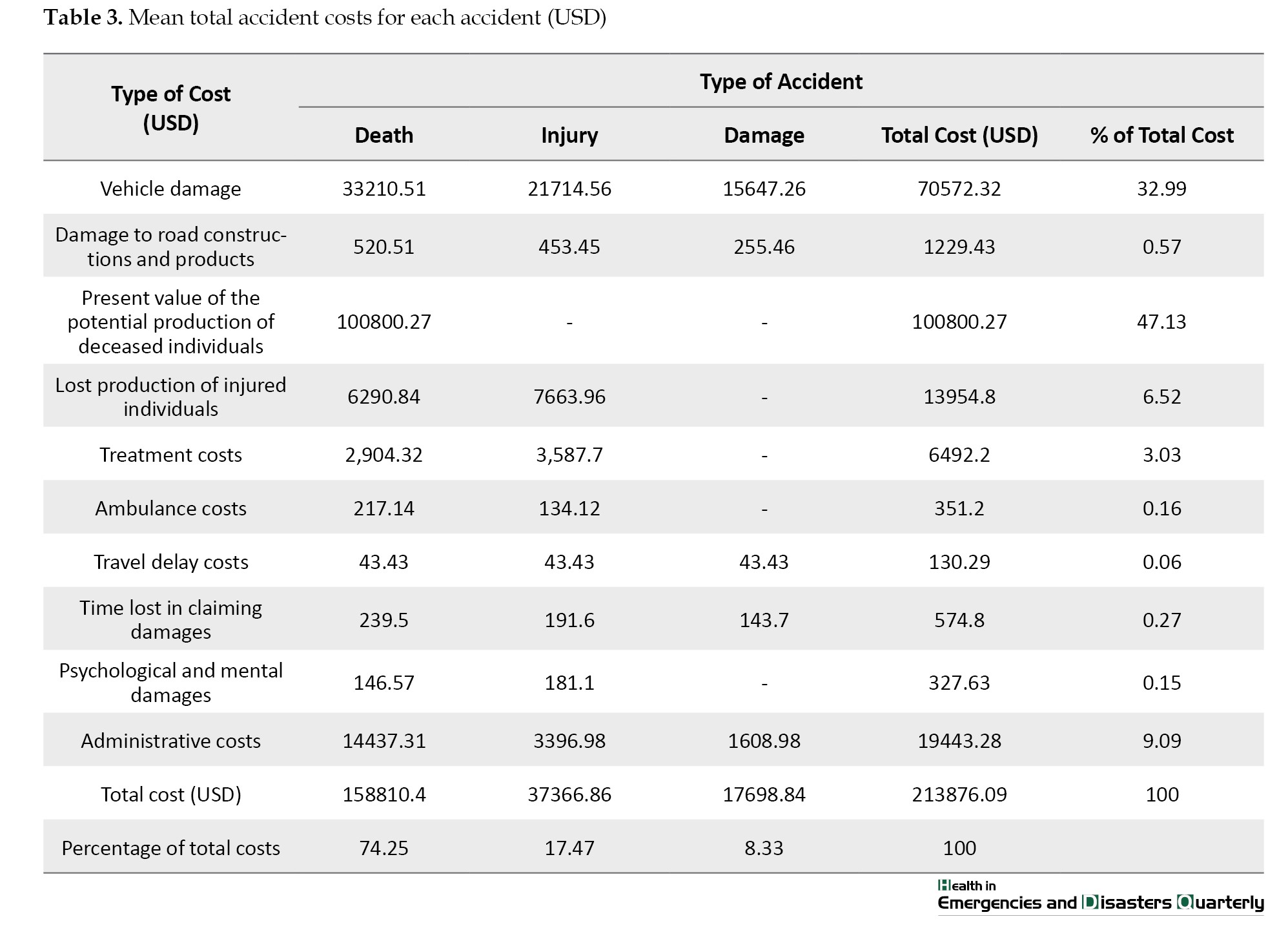
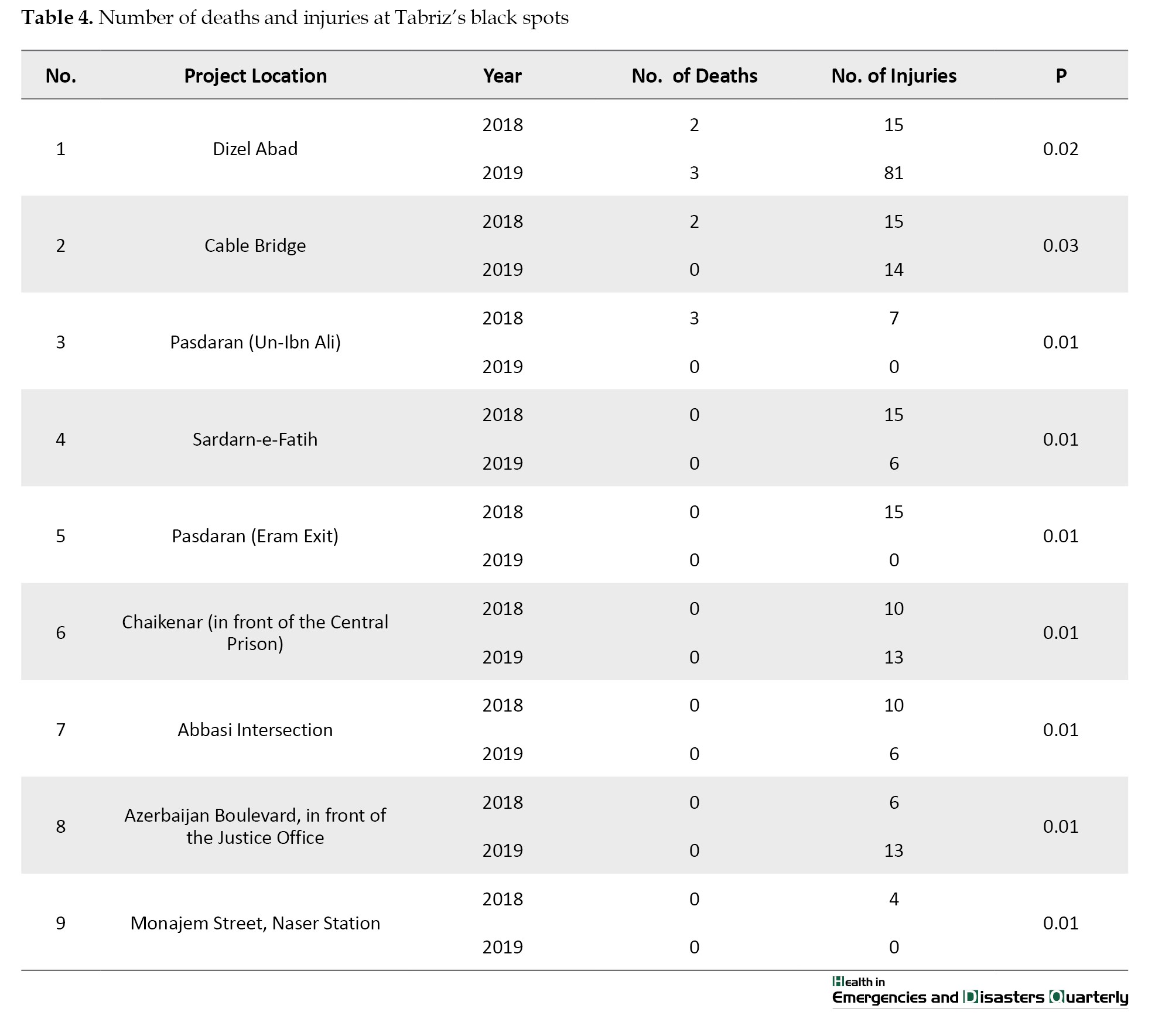
The assessment of accident costs showed that the mean cost of accidents resulting in death accounted for 74.25% of the total cost and was 4.4 times higher than the mean cost of accidents resulting in injury. Among the different cost categories, the present value of the potential production of deceased individuals accounted for 47.13% of the total cost, followed by vehicle damage, which accounted for 33% and ranked second. Administrative costs (9.09%), lost productivity among injured individuals (6.52%), and treatment expenses (3.03%) were the other major cost categories. Table 4 shows the number of accident-related deaths and injuries at the black spots in the city of Tabriz before and after the safety project.
Tables 5 and 6 presents data on the improvement projects,the financial budget spent,the total cost and benefit of each project,and the B/C ratio.
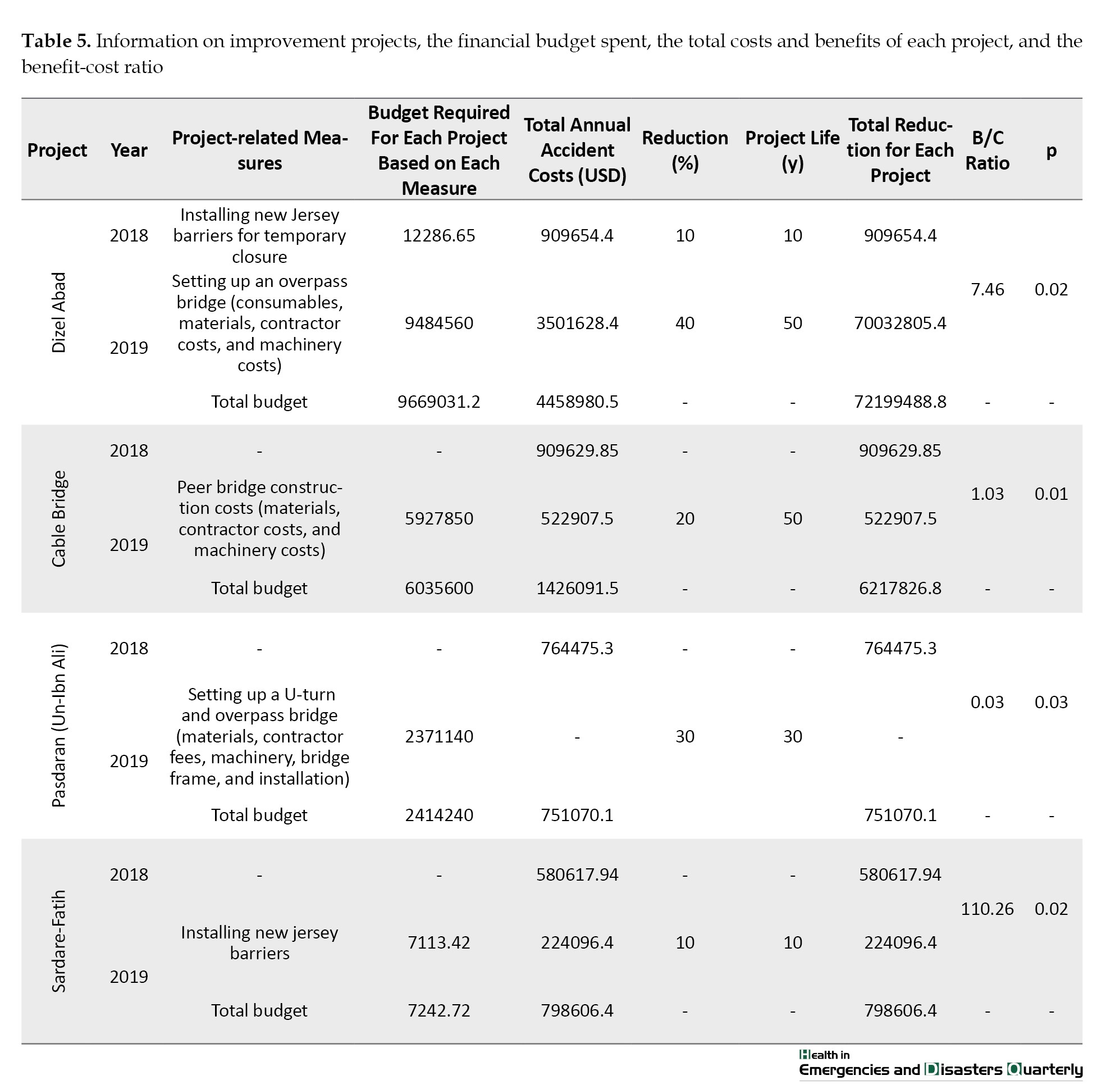
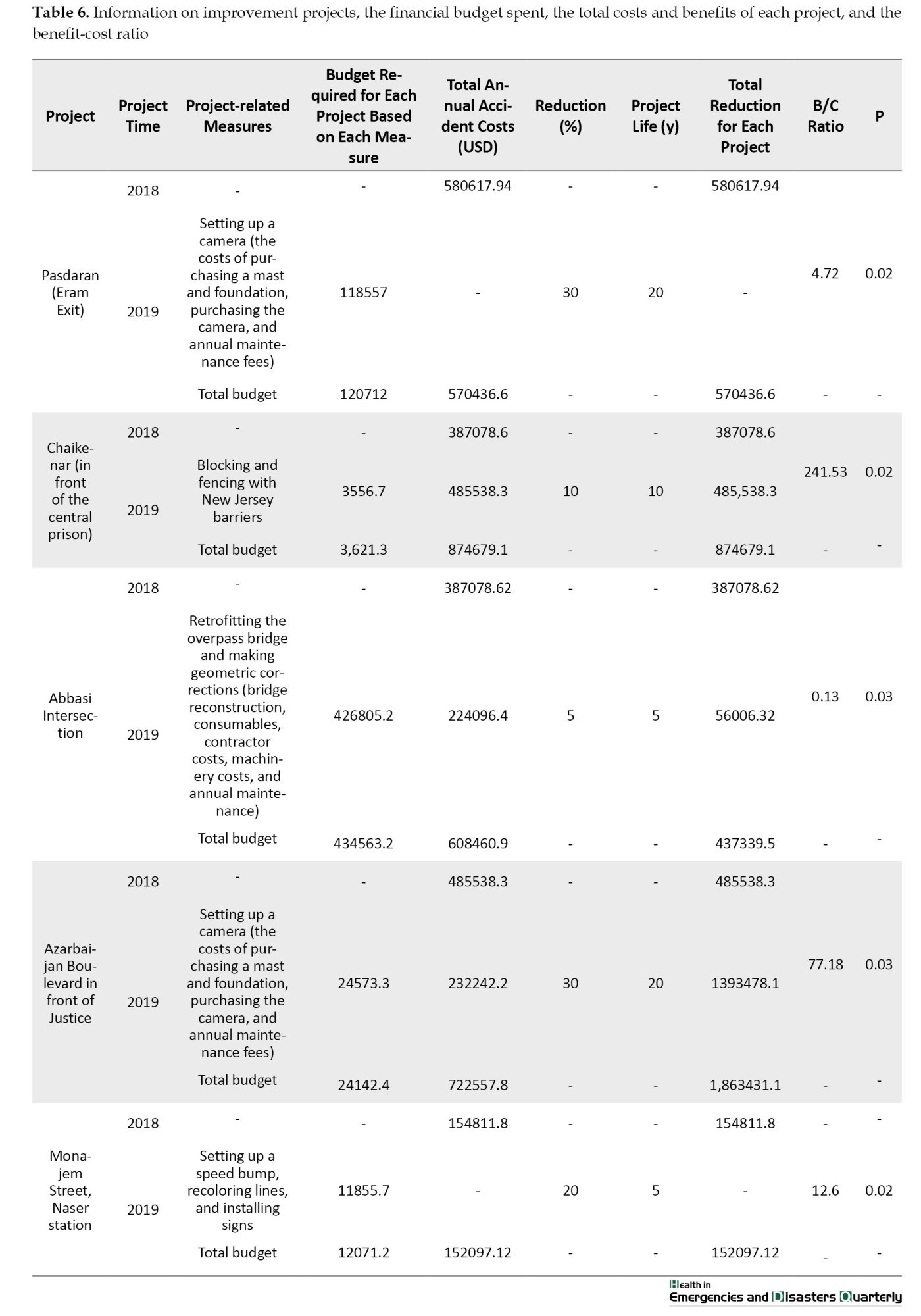
To determine the present value of the benefits of safety projects, only the benefits resulting from improved safety and reduced accidents were considered. To calculate the present value of the costs associated with accidents involving deaths and injuries over the project lifetime, two factors were used: the project life and the percentage reduction in accidents attributable to the project. The data for these two variables are shown in Table 5. Table 5 also shows that low-cost interventions, including New Jersey barriers and signage (projects 4, 6, and 9), achieved exceptionally high benefit-cost ratios of 110.26, 241.53, and 12.6, respectively. The ratios ranged from 7.46 to 241.53, while major infrastructure projects, such as overpass construction, demonstrated more variable returns, ranging from 0.13 to 1.03.
Discussion
This study estimated the B/C ratio of urban road safety projects at nine accident-prone locations in Tabriz city. The B/C ratio results showed that all other safety projects were economically justifiable, except for two projects. Some projects had higher B/C ratios, such as Sardaran Fateh, Azerbaijan Boulevard opposite the Justice Department, and Chaykenar opposite the prison, demonstrating greater economic justification than the other projects. As mentioned above, the average ratio of the nine studied projects was 50.54, indicating a higher efficiency of investment in traffic safety projects in our country. Another reason for this higher average B/C ratio is Iran’s lower hourly wage rate, which results in an underestimation of the potential productivity losses associated with victims compared with those in other countries. As mentioned earlier, this ratio indicates that investment in traffic safety projects in Iran is has been particularly efficient. The study also emphasized that investing in road infrastructure, improving vehicle safety, and promoting traffic safety awareness are critical strategies for reducing accidents [11].
Dattatray et al. developed a model using a systems dynamics approach to assess the cost of traffic crashes in 2005. It was assumed that the highest costs were associated with the most fatal accidents. Their goal was to find factors affecting road crashes and fatalities and to assess the associated costs. They hoped that state policymakers and traffic police would use these findings to reduce road crashes [2]. Cost-benefit analysis is an important tool for decision-makers and can be used to economically evaluate road safety measures [12, 13].
Ayati et al. emphasized that inadequate data and misleading statistics lead to underestimates in safety assessments [14]. The Australian Department of Transport and Communications has provided several categories of accident costs, including lost income; lost production; lost personal and family income; pain and suffering; property damage; insurance; damages to victims’ relatives in the form of travel expenses; delays experienced by the public because of traffic; hospitalization and rehabilitation costs; medical costs; legal and court fees; administrative costs; ambulance services; and search-and-rescue operations [15]. According to their estimates, the largest part of these costs is attributable to the loss of individuals’ potential productivity and premature disability. Approximately 70% of the total costs are attributed to pain and grief, which represents a limitation of this study because it does not include intangible costs such as pain and grief.
Compared to other countries, Iran’s higher B/C ratio for road safety investments suggests greater efficiency. Despite the initial costs, the subsequent benefits—namely, lives saved and injuries prevented—provide clear evidence supporting the economic rationale for these projects. Given the limited financial resources, maximizing the effectiveness of available resources is crucial. The traditional approach to allocating resources to address black spots involves ranking accident indicators by region. Subsequently, within budget constraints and at management’s discretion, a certain number of locations with the highest accident rates in each region are prioritized [10].
Limitations
There are several limitations to this study, including:
Temporal limitations: The one-year post-implementation evaluation period does not adequately capture the long-term effects of infrastructure projects designed with 50-year lifespans. In addition, regression-to-the-mean effects cannot be fully excluded at sites selected because of exceptionally high accident rates in the preceding period.
Economic limitations: Intangible costs, including pain, grief, reduced quality of life, and psychological trauma, were excluded. International studies estimate these costs at approximately 70% of total accident costs; therefore, their exclusion substantially underestimates the true social burden.
Methodological limitations: The study relies on police-recorded accident data, which systematically underreport minor, nonfatal injuries. The assumptions regarding treatment duration (15 days for severe injuries and 3.7 days for minor injuries) may not reflect actual patterns in the Iranian healthcare system. In addition, wage-based estimates of productivity losses fail to capture components of the value of life beyond economic productivity.
Generalizability limitations: As a single-city study conducted in Tabriz, the findings may not represent conditions in other Iranian urban centers with different traffic patterns, infrastructure conditions, and enforcement capabilities. The findings may also not be applicable to rural road settings.
Data quality limitations: Currency devaluation during the study period affects cost comparisons. Weather-related variations in accident rates were not controlled for; and changes in traffic volume were not systematically accounted for in this regard.
Therefore, future studies should include larger samples from different locations. Also, because the cost amounts are based on data from the past several years, they may change as a result of the devaluation of the country’s currency.
Conclusion
The cost-benefit analysis in this study showed that, although road safety projects targeting black spots involve costs related to human resources, infrastructure, equipment, and materials, these interventions are not only cost-effective but also highly cost-effective investments. Although the initial maintenance costs are high, the reduction in deaths and injuries over time results in a significant return on investment in subsequent years—an aspect that policymakers and planners should prioritize. This research emphasizes the significant economic value of safety measures and supports continued financial investment while recommending additional data collection and a more comprehensive approach to cost analysis that includes less tangible benefits.
Ethical Considerations
Compliance with ethical guidelines
The study design was approved by the Ethics Committee of Tabriz University of Medical Sciences, Tabriz, Iran (Code: IR.TBZMED.REC.1397.795).
Funding
This research was supported by the research project (No. 62210), and financially supported by the Tabriz University of Medical Sciences, Tabriz, Iran.
Authors' contributions
Conceptualization, methodology and supervision: Mina Golestani and Homayoun Sadeghi Bazargani; Data collection: Mirbahador Yazdani, Khalil Pourebrahim, and Zhila Yousefi; Data analysis: Mina Golestani and Mirbahador Yadani; Funding acquisition, resources, investigation, writing the original draft, review & editing: All authors.
Conflict of interest
The authors declared no conflict of interest.
Acknowledgments
Authors wish to express their gratitude to the experts at the Road Traffic Injury Research Center of Tabriz University of Medical Sciences for their support.
Road traffic accidents are among the major public health challenges and major political priorities worldwide. In Iran, this issue has attracted considerable attention, and the country is among the top five countries with the most unsafe roads (red list). Despite having less than 1% of the world’s population, Iran reportedly accounts for 2% of global road traffic deaths, which is 1.5 times higher than the global average [1]. Road safety plays a crucial role in reducing accidents. Therefore, conducting rigorous economic analyses is essential to maximize the efficiency and economic returns of road safety improvement projects [2]. Economic evaluation of road safety programs serves as a key tool for policymakers in transport planning. This objective can be achieved through the active participation of government agencies, society, and other stakeholders, as well as by strengthening cooperation among transportation operators, road users, and society [3]. International studies have shown that many countries have implemented measures, such as eliminating accident-prone locations, that have improved road safety. For example, Elvik et al. analyzed the impact of eliminating accident-prone locations on suburban roads and found that crash-related damages and injuries decreased by 26% and 19%, respectively [4].
Highway safety management begins with identifying black spots, also known as road hazards, high-risk areas, accident-prone areas, promising locations, or priority inspection locations [5, 6]. Black spots are accident hotspots with a historically high incidence of crashes. Spakova et al. used an optimized cost-benefit and cost-effectiveness model considering multiple periods to maximize benefits within a limited budget [7]. Harwood et al. also proposed a process for allocating resources to maximize the efficiency of road safety efforts, including maintaining structural integrity and construction quality in non-highway facilities
8]. Statistics from 2015 show that the fatality rate in Iran was 37 people per 10,000 vehicles, whereas the global rate was 9 people per 10,000 vehicles [9]. Traffic accidents have the highest fatality rates in some regions. The accurate identification of these areas, known as black spots, using sufficient and reliable information, along with planning to determine effective safety solutions to reduce risks at these strategic points, can have a significant impact on preventing road accidents [10].
Materials and Methods
Study design and setting
This retrospective cost-benefit analysis evaluated urban road safety interventions implemented in 2019 at nine accident-prone locations in Tabriz city. Outcome data were collected for the 12-month periods immediately before 2018 and after 2019 implementation. Purposive sampling was used based on specific criteria, including the highest accident and fatality rates. The inclusion criteria were: 1) The highest annual frequency of fatal crashes, 2) the highest annual frequency of injury crashes, and 3) documented economic losses from accidents. Selection was based on an integrated assessment of all three criteria by traffic engineering experts and police data specialists.
A cost-benefit analysis was conducted on 9 accident-prone areas selected from 100 accident-prone areas in Tabriz city based on traffic data and expert opinions. These safety interventions were implemented in Tabriz in 2019. Relevant data were collected through a three-part checklist addressing injuries, deaths, and social costs. The study included accidents recorded by traffic police and speed cameras at black spots in Tabriz during 2018 and 2019. Data were collected before and after the implementation of safety interventions. These safety interventions were implemented in 2019.
The main objective was to assess the cost-benefit ratio of road improvement measures in Tabriz, focusing on the analysis of fatal and injury crashes at 9 black spots within the city. Using police data, expert opinions, and engineering estimates from experts, 9 out of 100 black spots were identified as having the highest frequency of fatal and injury crashes.
Variables and data collection
The study considered independent variables, such as average fatalities, injuries, and economic losses. Each variable included the following categories: a) injuries or deaths, including the number, sex, and age of casualties, b) the budget required for each intervention, based on the specific modification implemented, c) the percentage reduction in accidents after each modification, and (d) the service life of each safety measure. Data were collected through document reviews and interviews.
Initially, the study hotspots were evaluated for confounding variables, such as daily traffic volume, annual accident statistics, lane width, and other relevant road characteristics. No statistically significant differences were observed (P>0.05). Subsequently, only 9 locations with the highest numbers of injuries and deaths and the greatest economic losses resulting from accident-related consequences, including losses, injuries, and property damage, were selected.
Safety interventions were then implemented at these hotspots, including the installation of speed bumps, violation-recording cameras, signboards, and railings. The independent variables were subsequently measured and compared again. The accident adjustment factor was then calculated, and the net benefit of each safety intervention was determined by subtracting the costs from the benefit.
The total cost of an accident includes treatment costs, vehicle repair costs, accident management costs, lost capital, and future productivity losses incurred by victims. To estimate the present value of victims’ losses, this study adopted certain assumptions reflecting social considerations: a) a social discount rate of 10% was applied, and b) a consumption rate of 20% of each individual’s productivity was assumed.
Based on the literature review, the economic evaluation of time lost because of accidents included two components: travel delay costs and costs associated with time lost during insurance claims. Assumptions regarding medical costs included the following: a) an average treatment duration of 15 days for severe injuries and 4 days for minor injuries, and b) no permanent disability was assumed, while temporary disabilities included at least one year of absence from work.
Using the human capital approach and considering hourly wages, the costs associated with lost productivity per accident were estimated. For injured persons, the treatment duration was set at 15 days for severe accidents and 3.7 days for minor accidents, based on previous research and available data. The study included accidents recorded by traffic police and speed cameras at black spots in Tabriz during 2018 and 2019. In the case of hotspot improvement projects, only the benefits resulting from increased safety and reduced accidents were included. These benefits were calculated by evaluating the present value of accident costs over the project lifetime; other direct and indirect benefits were excluded.
The main parameters affecting these calculations were the project duration and the percentage of accident reduction attributable to the intervention. The values of these parameters were extracted from literature reviews and similar domestic and international studies, with input from relevant experts for each project, using the opinions of relevant experts for each project.
Finally, total savings were determined by multiplying the annual reduction in accident costs calculated for each improved route by the number of years in the project lifetime. The cumulative savings over the project period were then used to calculate the benefit-to-cost ratio (B/C) for each intervention, which was subsequently compared across projects.
Costs were subtracted from benefits to calculate the net benefit. The B/C ratio for each project was calculated as Equation 1:
1. B/C=total benefits/total costs
Data were described using descriptive statistics (mean, standard deviation, percentage, and frequency) and analyzed using inferential statistics by SPSS software, version 22.
Results
Based on a cost-benefit analysis of nine black spots, the average benefit-cost ratio was 50.54. Most projects had ratios greater than 1, with notable examples including Sardaran Fatih (110.26), Azerbaijan Boulevard near the Justice Building (77.18), and the Chaykenar location (241.35), which had the highest ratio. However, the Abbasi intersection (0.13) and Pasdaran-Un-ibn-Ali (0.03) projects had ratios below 1. One project had a B/C ratio of exactly 1. The comparison of confounding variables before 2018 and after the 2019 intervention is presented in Table 1.
Table 2 presents road safety projects by black spots and locations.
The result showed no statistical differences between the preintervention and postintervention periods based on the confounding variables (Table 2).
The mean total annual costs based on the cost items associated with accidents at each black spot in Tabriz are presented in Table 3.
The assessment of accident costs showed that the mean cost of accidents resulting in death accounted for 74.25% of the total cost and was 4.4 times higher than the mean cost of accidents resulting in injury. Among the different cost categories, the present value of the potential production of deceased individuals accounted for 47.13% of the total cost, followed by vehicle damage, which accounted for 33% and ranked second. Administrative costs (9.09%), lost productivity among injured individuals (6.52%), and treatment expenses (3.03%) were the other major cost categories. Table 4 shows the number of accident-related deaths and injuries at the black spots in the city of Tabriz before and after the safety project.
Tables 5 and 6 presents data on the improvement projects,the financial budget spent,the total cost and benefit of each project,and the B/C ratio.
To determine the present value of the benefits of safety projects, only the benefits resulting from improved safety and reduced accidents were considered. To calculate the present value of the costs associated with accidents involving deaths and injuries over the project lifetime, two factors were used: the project life and the percentage reduction in accidents attributable to the project. The data for these two variables are shown in Table 5. Table 5 also shows that low-cost interventions, including New Jersey barriers and signage (projects 4, 6, and 9), achieved exceptionally high benefit-cost ratios of 110.26, 241.53, and 12.6, respectively. The ratios ranged from 7.46 to 241.53, while major infrastructure projects, such as overpass construction, demonstrated more variable returns, ranging from 0.13 to 1.03.
Discussion
This study estimated the B/C ratio of urban road safety projects at nine accident-prone locations in Tabriz city. The B/C ratio results showed that all other safety projects were economically justifiable, except for two projects. Some projects had higher B/C ratios, such as Sardaran Fateh, Azerbaijan Boulevard opposite the Justice Department, and Chaykenar opposite the prison, demonstrating greater economic justification than the other projects. As mentioned above, the average ratio of the nine studied projects was 50.54, indicating a higher efficiency of investment in traffic safety projects in our country. Another reason for this higher average B/C ratio is Iran’s lower hourly wage rate, which results in an underestimation of the potential productivity losses associated with victims compared with those in other countries. As mentioned earlier, this ratio indicates that investment in traffic safety projects in Iran is has been particularly efficient. The study also emphasized that investing in road infrastructure, improving vehicle safety, and promoting traffic safety awareness are critical strategies for reducing accidents [11].
Dattatray et al. developed a model using a systems dynamics approach to assess the cost of traffic crashes in 2005. It was assumed that the highest costs were associated with the most fatal accidents. Their goal was to find factors affecting road crashes and fatalities and to assess the associated costs. They hoped that state policymakers and traffic police would use these findings to reduce road crashes [2]. Cost-benefit analysis is an important tool for decision-makers and can be used to economically evaluate road safety measures [12, 13].
Ayati et al. emphasized that inadequate data and misleading statistics lead to underestimates in safety assessments [14]. The Australian Department of Transport and Communications has provided several categories of accident costs, including lost income; lost production; lost personal and family income; pain and suffering; property damage; insurance; damages to victims’ relatives in the form of travel expenses; delays experienced by the public because of traffic; hospitalization and rehabilitation costs; medical costs; legal and court fees; administrative costs; ambulance services; and search-and-rescue operations [15]. According to their estimates, the largest part of these costs is attributable to the loss of individuals’ potential productivity and premature disability. Approximately 70% of the total costs are attributed to pain and grief, which represents a limitation of this study because it does not include intangible costs such as pain and grief.
Compared to other countries, Iran’s higher B/C ratio for road safety investments suggests greater efficiency. Despite the initial costs, the subsequent benefits—namely, lives saved and injuries prevented—provide clear evidence supporting the economic rationale for these projects. Given the limited financial resources, maximizing the effectiveness of available resources is crucial. The traditional approach to allocating resources to address black spots involves ranking accident indicators by region. Subsequently, within budget constraints and at management’s discretion, a certain number of locations with the highest accident rates in each region are prioritized [10].
Limitations
There are several limitations to this study, including:
Temporal limitations: The one-year post-implementation evaluation period does not adequately capture the long-term effects of infrastructure projects designed with 50-year lifespans. In addition, regression-to-the-mean effects cannot be fully excluded at sites selected because of exceptionally high accident rates in the preceding period.
Economic limitations: Intangible costs, including pain, grief, reduced quality of life, and psychological trauma, were excluded. International studies estimate these costs at approximately 70% of total accident costs; therefore, their exclusion substantially underestimates the true social burden.
Methodological limitations: The study relies on police-recorded accident data, which systematically underreport minor, nonfatal injuries. The assumptions regarding treatment duration (15 days for severe injuries and 3.7 days for minor injuries) may not reflect actual patterns in the Iranian healthcare system. In addition, wage-based estimates of productivity losses fail to capture components of the value of life beyond economic productivity.
Generalizability limitations: As a single-city study conducted in Tabriz, the findings may not represent conditions in other Iranian urban centers with different traffic patterns, infrastructure conditions, and enforcement capabilities. The findings may also not be applicable to rural road settings.
Data quality limitations: Currency devaluation during the study period affects cost comparisons. Weather-related variations in accident rates were not controlled for; and changes in traffic volume were not systematically accounted for in this regard.
Therefore, future studies should include larger samples from different locations. Also, because the cost amounts are based on data from the past several years, they may change as a result of the devaluation of the country’s currency.
Conclusion
The cost-benefit analysis in this study showed that, although road safety projects targeting black spots involve costs related to human resources, infrastructure, equipment, and materials, these interventions are not only cost-effective but also highly cost-effective investments. Although the initial maintenance costs are high, the reduction in deaths and injuries over time results in a significant return on investment in subsequent years—an aspect that policymakers and planners should prioritize. This research emphasizes the significant economic value of safety measures and supports continued financial investment while recommending additional data collection and a more comprehensive approach to cost analysis that includes less tangible benefits.
Ethical Considerations
Compliance with ethical guidelines
The study design was approved by the Ethics Committee of Tabriz University of Medical Sciences, Tabriz, Iran (Code: IR.TBZMED.REC.1397.795).
Funding
This research was supported by the research project (No. 62210), and financially supported by the Tabriz University of Medical Sciences, Tabriz, Iran.
Authors' contributions
Conceptualization, methodology and supervision: Mina Golestani and Homayoun Sadeghi Bazargani; Data collection: Mirbahador Yazdani, Khalil Pourebrahim, and Zhila Yousefi; Data analysis: Mina Golestani and Mirbahador Yadani; Funding acquisition, resources, investigation, writing the original draft, review & editing: All authors.
Conflict of interest
The authors declared no conflict of interest.
Acknowledgments
Authors wish to express their gratitude to the experts at the Road Traffic Injury Research Center of Tabriz University of Medical Sciences for their support.
References
- Bamir M, Masoud A, Dehnavieh R. [Future Risks, Insecurity of Iranian Roads on Health Sector: Do Policymakers Know Innovative Solutions? (Persian)] Journal Strategic Studies of Public Policy. 2020; 9(33):214-21. [Link]
- Takale DG, Gunjal SD, Khan VN, Raj A, Gujar SN. Road accident prediction model using data mining techniques. NeuroQuantology. 2022; 20(16):2094-101. [Link]
- Ahmadvand A, Abtahi Z. [Road safety evaluation methods (Persian)]. Traffic Management Studies. 2009; 4(12):97-122. [Link]
- Morgado MA, Jalles F, Lobo S, Abecasis F, Gonçalves M. Road traffic injuries and road safety measures-can we do any better? Pediatrics & Therapeutics. 2017; 7(2):319. [Link]
- Haghighi F, Karimi E. Evaluation and statistical validation of black-spots identification methods. International Journal of Transportation Engineering. 2018; 6(1):1-15. [Link]
- Keymanesh M, Ziari H, Roudini S, Nasrollahtabar Ahangar A. Identification and prioritization of “black spots” without using accident information. Modelling and Simulation in Engineering. 2017; 2017(1):1832654. [Link]
- Špačková O, Straub D. Cost‐benefit analysis for optimization of risk protection under budget constraints. Risk Analysis. 2015; 35(5):941-59. [DOI:10.1111/risa.12310] [PMID]
- Harwood DW, Rabbani EK, Richard K, McGee H, Gittings G. Systemwide impact of safety and traffic operations design decisions for 3R projects. Washington: Transportation Research Board; 2003. [Link]
- Hamidizadeh MR, Shafiei Nikabadi M, Naderi R. [Setting Policy for Road Fatalities Reduction in Country by using System Dynamics Method (Persian)]. Journal of Strategic Management Studies. 2017; 8(31):61-82. [Link]
- Abdolmanafi SE, Karamad S. A new approach for resource allocation for black spot treatment (case study: The road network of Iran). Journal of Safety Research. 2019; 69:95-100. [DOI:10.1016/j.jsr.2019.03.001] [PMID]
- Mehregan N, Gholizadeh A, Mohammadi F. [Investigating the relationship between Traffic safety and economic growth in Iran (Persian)]. Iranian Journal of Applied Economics. 2011; 1(3):99-117. [Link]
- Yannis G, Papadimitriou E, Evgenikos P. Cost-benefit assessment of selected road safety measures in Greece. Paper presented at: 13th International Conference on Road Safety on Four Continents. 2005; Warsaw, Poland. [Link]
- Golestani M, Sadeghi-Bazargani H, Harzand-Jadidi S, Soori H. Evaluation of cost-effectiveness of single-credit traffic safety course based on Kirkpatrick model: A case study of Iran. BMC Medical Education. 2024; 24(1):128. [DOI:10.1186/s12909-024-05122-w] [PMID]
- Ayati E, Ahadi M. [Estimation of the cost of damage to vehicles in rural road accidents in Iran (Persian)]. Journal of Transportation Research. 2008; 5(1):e11397. [Link]
- Atkins AS. The Economic and Social Costs of Road Accidents in Australia: with Preliminary Cost Estimates for Australia in 1978. Canberra: Department of Transport, Office of Road Safety; 1981. [Link]
Type of article: Research |
Subject:
traffic accidents
Received: 2025/07/1 | Accepted: 2025/11/19 | Published: 2026/09/28
Received: 2025/07/1 | Accepted: 2025/11/19 | Published: 2026/09/28
Send email to the article author
| Rights and permissions | |
 |
This work is licensed under a Creative Commons Attribution-NonCommercial 4.0 International License. |

Copyright © The Author(s);
This is an open access article distributed under the terms of the Creative Commons Attribution-NonCommercial 4.0 (CC-By-NC 4.0), which permits use, distribution, and reproduction in any medium, provided the original work is properly cited and is not used for commercial purposes.
Contact Information
This is an open access article distributed under the terms of the Creative Commons Attribution-NonCommercial 4.0 (CC-By-NC 4.0), which permits use, distribution, and reproduction in any medium, provided the original work is properly cited and is not used for commercial purposes.
Contact Information
