

Volume 11, Issue 4 (Summer 2026)
Health in Emergencies and Disasters Quarterly 2026, 11(4): 321-338 |
Back to browse issues page




Download citation:
BibTeX | RIS | EndNote | Medlars | ProCite | Reference Manager | RefWorks
Send citation to:


BibTeX | RIS | EndNote | Medlars | ProCite | Reference Manager | RefWorks
Send citation to:
Farzaneh M R, Banimostafaarab F. Climate Change Mitigation Legislation in Developing Countries: A Social-ecological Systems-based Framework. Health in Emergencies and Disasters Quarterly 2026; 11 (4) :321-338
URL: http://hdq.uswr.ac.ir/article-1-669-en.html
URL: http://hdq.uswr.ac.ir/article-1-669-en.html


1- Research Group of Environmental Engineering and Pollution Monitoring, Research Center for Environment and Sustainable Development (RCESD), Department of Environment, Tehran, Iran. , Mrf.farzaneh@rcesd.ac.ir
2- Department of Mathematics, Faculty of Statistics, Mathematics, and Computer, Allameh Tabatabai University, Tehran, Iran.
2- Department of Mathematics, Faculty of Statistics, Mathematics, and Computer, Allameh Tabatabai University, Tehran, Iran.
Full-Text [PDF 1187 kb]
(415 Downloads)
| Abstract (HTML) (1369 Views)
.PNG)
Africa leads in mitigation legislation, with 67 pieces of legislation (30%) of the total. Asia follows with 61 pieces of legislation (27%), the Americas with 59 (26%), and Europe and Oceania with 40 (18%). Among individual countries, Ukraine and Brazil have enacted the highest number of mitigation legislation, with 14 and 13 pieces of legislation, respectively.
Temporal and spatial analysis of mitigation legislation in social-ecological systems
Based on the analysis of socioecological systems for mitigation legislation shown in Figure 3, actor systems were mentioned 340 times, whereas resource and governance systems were mentioned significantly less, with 50 and 35 mentions, respectively. This highlights a notable disparity, with actor systems receiving far more attention than governance and resource systems.
.PNG)
Legislation within the actor system was first proposed in 1980 but took five years to be approved. From 2002 to 2017, mentions increased steadily, peaking at 30 in 2015. The governance system was first mentioned in 1987, while the resource system followed in 1992. Both systems exhibited a slower upward trend, with governance legislation reaching a maximum of 3 mentions in 2013 and resource legislation peaking at 7 mentions in 2010.
Figure 4 shows the spatial distribution of socioecological legislation across different continents.
.PNG)
.PNG)
Asia
In Asia, the actor system was the most frequently mentioned, with 117 mentions. The resource and governance systems were mentioned far less, with 11 and 7 mentions, respectively. Asia had the highest number of countries with legislated actor systems, with 26 enacting relevant laws. Among them, China led with 12 mentions, followed by Tajikistan (9), Iran, Pakistan, and Kyrgyzstan (7 each). For the resource system, six countries (China, Indonesia, Iran, the Philippines, Tajikistan, and Thailand) enacted legislation. Tajikistan had the highest share, with 3 mentions. Governance system legislation was recorded in five countries: China, Pakistan, the Philippines, Syria, and Vietnam, with China leading with three mentions.
Africa
Africa had the highest number of resource system mentions, totaling 19 across 12 countries. However, governance systems received comparatively less attention, with 16 mentions across 16 different countries. Despite this, the actor system dominated, accounting for 72% of all approved legislation, with 90 mentions across 32 countries. Notably, 30 of these countries were mentioned at least once in the actor system. South Africa led with 7 mentions, followed by Morocco, Ethiopia, and Egypt (6 mentions each).
America
All 18 American countries had at least one mention of the actor system, demonstrating its significance in this region. Of the 108 total mentions, 88% (85 cases) referred to the actor system. Brazil and Guatemala led with 15 mentions each, followed by Colombia with 12. Brazil also had the highest number of mentions in the resource system, with 5, making it the leading country in America for socioecological system legislation, with 23 pieces of legislation.
Europe and Oceania
Legislation related to the actor system remained dominant, with 13 countries enacting 58 pieces of legislation. Ukraine had the highest number of mentions (20), making it the leader in this system. Ukraine was also the only European country with governance system legislation, with three mentions. Meanwhile, two other countries, along with Vanuatu, accounted for four mentions in the resource system.
Temporal and spatial analysis of mitigation legislation in the resource system
The resource system in developing countries includes four key subsystems: LULUCF (18 mentions), waste (16 mentions), water (12 mentions), and environment (4 mentions). There is a significant gap between developing and developed countries in resource-system legislation.
As shown in Figure 5, waste management legislation has been in place since 1991. Legislation governing LULUCF, water, and the environment was introduced later, in 1999, 2001, and 2007, respectively. Since 2001, legislation on LULUCF, water, and waste has steadily increased. However, environmental legislation has stagnated, with no new legislation enacted in developing countries between 2008 and 2015, in stark contrast to the other subsystems.
.PNG)
The highest number of legislations was recorded in 2015, with eight new enactments. However, between 2018 and 2022, only four new pieces of legislation related to resource subsystems were approved in developing countries. This highlights a concerning lack of attention to critical areas such as water and environmental protection.
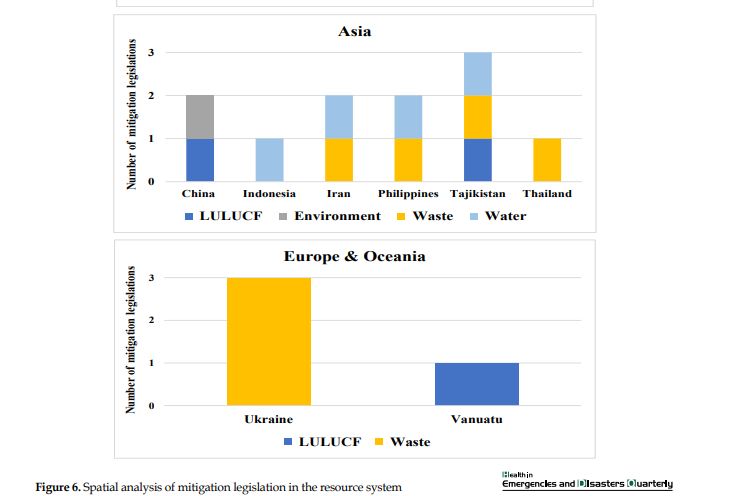
Figure 6 shows the legislative landscape for the resource system across different continents.
.PNG)
Europe and oceania
Only two countries in this region have legislation related to resource subsystems:
● Ukraine has 3 mentions related to waste management.
● Vanuatu has 1 mention related to LULUCF.
Overall, Europe and Oceania have the fewest pieces of legislation in this system compared to other continents.
References
Of the 18 countries, nine have enacted legislation related to resource subsystems:
● Waste management has the highest number of mentions (six laws), with Bolivia and Ecuador each having one mention, and Brazil and Colombia each having two.
● LULUCF is mentioned in four countries: Peru (2), Brazil, El Salvador, and Mexico (1 each).
● Water-related legislation was found in Brazil, Dominica, and Venezuela (four mentions).
● Venezuela is the only country in the region with legislation on environmental subsystems (one mention).
Asia
In Asia, six countries have approved legislation related to resource systems:
● Tajikistan has three pieces of legislation, mostly related to water and waste management.
● China has two pieces of legislation covering the environment and LULUCF.
● Indonesia, Iran, the Philippines, and Thailand each have one piece of legislation related to different subsystems.
Africa
Of the 32 countries, 12 have enacted a total of 19 pieces of legislation related to resource systems:
● LULUCF has received the most attention, with 10 pieces of legislation approved.
● Water legislation has been enacted in Angola, Guinea-Bissau, Guinea, and Liberia (four mentions).
● Waste management has 3 mentions across the continent.
● Environmental legislation has been the least prioritized, with only 2 mentions.
Temporal and spatial analysis of mitigation legislation in the actor system
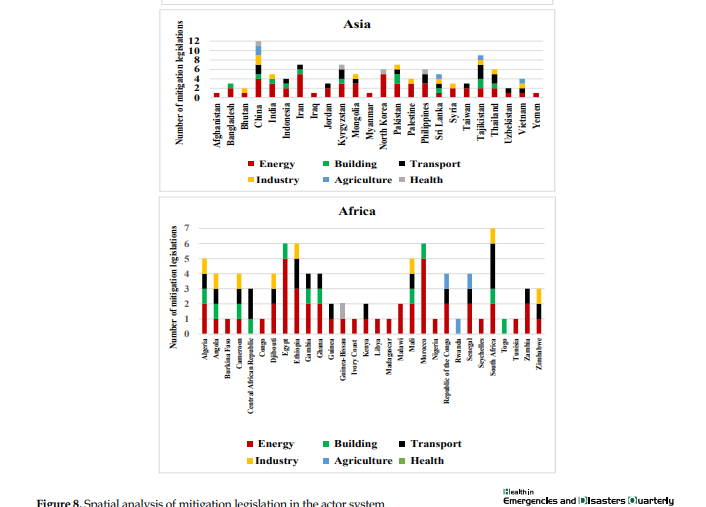
The actor system in developing countries includes six key subsystems: Energy (174 mentions), Transport (68 mentions), Building (44 mentions), Industry (30 mentions), Agriculture (15 mentions), Health (9 mentions)
As shown in Figure 7, most legislation in these sectors has been enacted since 1997, with approximately 75% of legislation approved after 2007. The earliest legislation in this system was for transport in 1980, followed by energy in 1986. The industry, agriculture, and building sectors were first regulated in 1987.
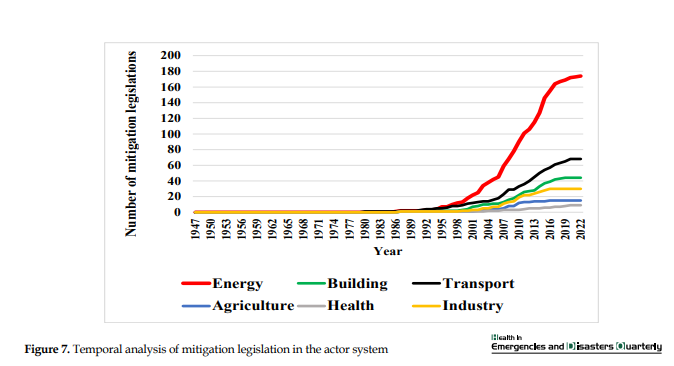
Figure 8 shows the legislative landscape for actor system across different continents.
Europe and Oceania
● The energy sector has the most mentions (31), followed by building (11), transport (10), industry (3), health (2), and agriculture (1).
● Ukraine (11 mentions) and Albania (7 mentions) lead the energy sector legislation.
● Ukraine (four mentions) and Albania (two mentions) have the most building regulations.
● Ukraine (three mentions) and San Marino (two mentions) lead in transport.
● Ukraine is the only country with multiple mentions (2) in the agriculture and health sectors.
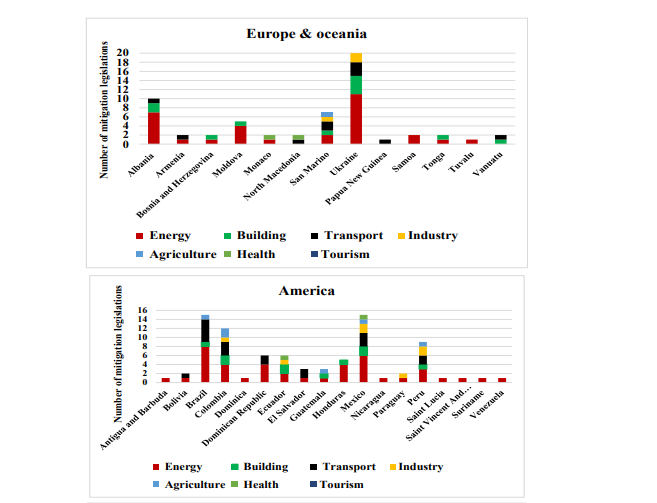
America
● The energy sector has the highest mentions (42), followed by transport (18), building (11), industry (4), health (3), and agriculture (2).
● Brazil (eight mentions) and Mexico (six mentions) have the most legislation in the energy sector.
● Brazil (five mentions), Mexico (three mentions), and Colombia (three mentions) lead in transport.
Asia
● The energy sector dominates with 54 mentions, followed by transport (20), building (12), industry (12), agriculture (5), and health (4).
● Iran and South Korea (five mentions each) have the most legislation in the energy sector.
● Tajikistan (three mentions) leads in transport.
● In other sectors, each country has a maximum of two mentions in the legislation.
Africa
● The energy sector has the highest number of mentions (47), followed by transport (20), building (11), industry (8), agriculture (3), and health (1).
● Djibouti and Morocco (five mentions each) have the most energy-related legislation.
● South Africa (three mentions) leads in transport-related regulations.
● In other sectors, each country is limited to a maximum of two mentions.
Temporal and spatial analysis mitigation legislation in the governance system
The governance system in developing countries includes five main subsystems: Economy-wide (6), social development (4), rural (3), urban (2), and finance (1). As shown in Figure 9, the first legislation was approved in 1987, covering the urban and economy-wide sectors. This was followed by the social development sector in 2000 and the rural sector in 2003. From 2004 onwards, all four sectors saw a continuous increase in legislative approval, peaking in 2011. Since 2019, the trend has remained stable with no significant changes.
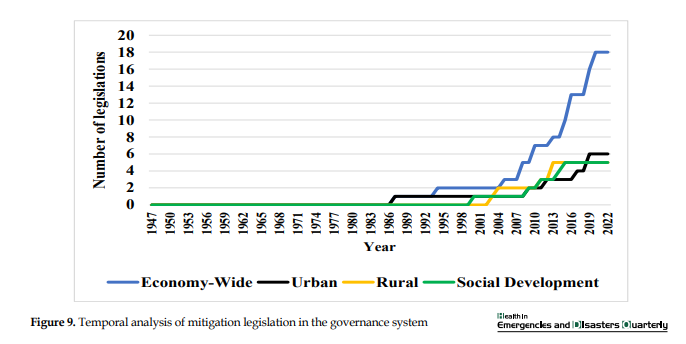
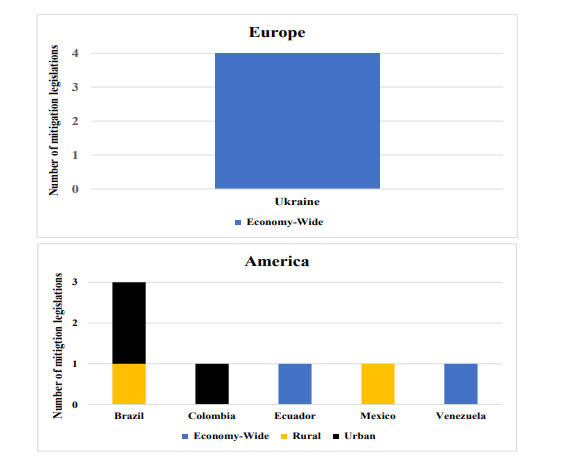
Figure 10 shows the legislative landscape for the governance system across different continents.
A survey of legislation mentions by continent reveals that the economy-wide subsystem is the most frequently mentioned across all regions.
● America, Europe, and Oceania exclusively mention the economy-wide subsystems.
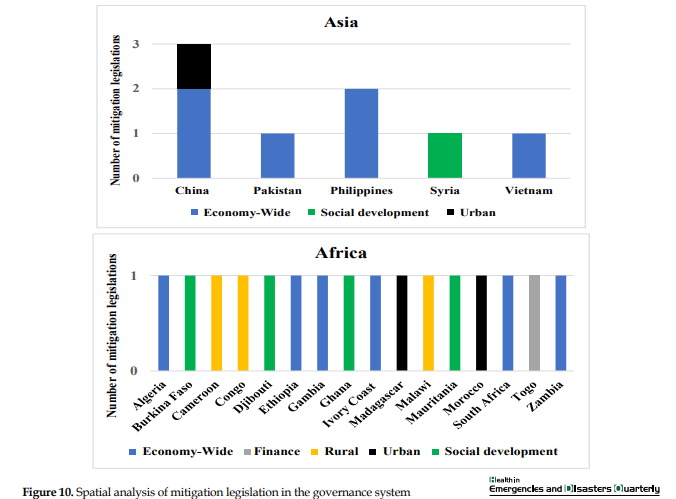
● In Africa, the economy-wide sector is mentioned most (six times), followed by rural (three mentions) and finance (one mention). Each African country has a maximum of one mention per legislation.
● In Asia, the economy-wide subsystem is the most frequently mentioned (6 times), followed by the urban (one mention) and the social development (one mention). Notably, the Philippines and China each have two mentions in the economy-wide sector, while China and Syria each have one mention in the urban and social development sectors.
Discussion
A study of mitigation legislation in developing countries shows a steady increase in both the number and scope over time.
● 1980s: Only three pieces of legislation were passed—in Mexico, North Korea, and China—mainly focusing on environmental protection due to limited awareness of climate change.
● 1990s: The number of pieces of legislation quadrupled, with most addressing energy-related issues. Countries, such as Thailand, Ukraine, Kyrgyzstan, and North Korea, introduced legislation to promote energy conservation and production.
● 2000s: This decade saw a significant rise, with 80 new pieces of legislation covering a broader range of issues, reflecting a growing awareness of mitigation. Brazil, Ethiopia, Guatemala, and El Salvador enacted laws on energy conservation, renewable energy, and rural electrification.
● 2010s: The trend continued, reaching 120 pieces of legislation. New topics emerged, such as basic environmental laws, energy efficiency in buildings, and green jobs. Guinea-Bissau, Ivory Coast, Zambia, and the Republic of Congo introduced new environmental legislation, while Iran, Kyrgyzstan, and Moldova focused on energy efficiency.
● 2020s: Recent legislation has addressed COVID-19 impacts, wetland conservation, and electric vehicle promotion, with countries, such as the Philippines and China leading in these areas.
While this legislation contributes to mitigation, its effectiveness depends on strong enforcement and governance. In the long term, they have the potential to significantly curb greenhouse gas emissions.
Despite these advances, several challenges remain:
● Uneven legislative distribution: Some sectors, such as energy and transport, receive considerable attention, while others, such as environmental protection and water management, remain underrepresented. A more balanced approach is needed to address all critical areas.
● Effectiveness of implementation: The success of mitigation policies depends on institutional capacity, funding, implementation mechanisms, and public awareness. Many developing countries lack the resources and expertise needed for proper enforcement.
Finally, the following actions are recommended to enhance the impact of mitigation legislation:
● Strengthen institutional capacity to improve governance and enforcement.
● Prioritize key sectors to ensure all relevant areas receive adequate attention.
● Enhance international cooperation for financial and technical support.
● Promote public awareness to encourage participation and compliance.
● Monitor and evaluate policies to assess effectiveness and make necessary adjustments.
While these overarching recommendations provide a solid foundation for climate mitigation, their effectiveness depends on region-specific adaptations. The following strategies can help countries implement them effectively:
● Africa: Strengthen governance through regional climate policy hubs (e.g. the African :union:) and enhance enforcement. Prioritize off-grid renewable energy and climate-smart agriculture, while expanding public-private partnerships for climate finance.
● Asia: Improve local policy enforcement in South and Southeast Asia and integrate climate laws into national economic plans in high-emission countries, such as China. Accelerate public transport electrification and expand carbon trading initiatives.
● Americas: Enhance policy transparency through independent monitoring agencies and boost reforestation efforts in the Amazon. Implement net-zero building policies in urban areas and expand carbon pricing mechanisms (e.g. Brazil, Mexico) to support climate funding.
● Europe: Strengthen the EU Green Deal and promote green innovation. Enhance cross-border cooperation on renewable energy, expand carbon pricing mechanisms, and invest in sustainable urban mobility and infrastructure. Focus on climate adaptation in southern Europe through water conservation and resilient infrastructure.
● Oceania: Invest in resilient infrastructure for Pacific Island nations, promote renewable energy projects, and strengthen climate adaptation measures for agriculture and fisheries. Expand access to climate finance and promote regional cooperation through initiatives, such as the Pacific Islands Forum.
By addressing these challenges and implementing effective policies, developing countries can play a vital role in mitigating climate change and building a sustainable future.
Conclusion
This study provides a comprehensive analysis of mitigation legislation in developing countries, based on data from the CCLW database. The findings reveal a significant increase in the number and scope of these pieces of legislation over time, reflecting a growing awareness of the urgent need to combat climate change.
While most mitigation legislation focuses on actor systems, particularly in the energy, transport, and building sectors, there is a growing—but still insufficient—emphasis on resource and governance systems. This imbalance suggests a need for greater attention to these areas.
Our analysis underscores the importance of a multifaceted approach to climate mitigation, combining sectoral and systemic changes. Although the rising trend in climate legislation is encouraging, effective implementation and enforcement remain crucial to achieving real emission reductions. These legislative efforts in developing countries contribute to global emission reduction targets, highlighting their role in the broader global climate framework. By adopting a comprehensive and coordinated approach, the global community can accelerate progress toward a sustainable, low-carbon future.
Limitations
This study may have missed some mitigation legislation. We used the CCLW database; however, it may not include all the legislation. This could mean that we underestimated the number of pieces of legislation in developing countries.
Although this study provides valuable insights into climate change mitigation legislation in developing countries, several limitations warrant consideration. First, although we relied on the CCLW database, it may not include all relevant legislation, leading to the possibility that some mitigation measures were overlooked. This limitation could result in an underestimation of the number of pieces of legislation in developing countries. Additionally, the CCLW database may not capture the full scope of legislative activity in certain regions, particularly if new or emerging policies were not added in time for inclusion.
Another limitation is the inability to assess the quality of implementation of this legislation. While we analyzed the presence and trends of mitigation legislation, we did not examine how effectively these pieces of legislation were enforced or their actual impact on greenhouse gas emissions. The quality of implementation, including institutional capacity, political will, and resources, can significantly affect the success of climate mitigation efforts, but it was beyond the scope of this study.
Finally, our analysis focused on legislative trends and did not account for other important factors, such as social, economic, or cultural influences that may shape the adoption and success of climate change mitigation measures.
Ethical Considerations
Compliance with ethical guidelines
This article is based on the analysis of publicly available legislative documents and does not involve human or animal samples; therefore, ethical approval was not required.
Funding
This research did not receive any grant from funding agencies in the public, commercial, or non-profit sectors.
Authors' contributions
All authors contributed equally to the conception and design of the study, data collection and analysis, interception of the results, and manuscript drafting. Each author approved the submission of the final version of the manuscript.
Conflict of interest
The authors declared no conflict of interests.
References
Full-Text: (29 Views)
Introduction
Since the mid-19th century, atmospheric carbon dioxide (CO2) levels have increased by over 40%, driving global warming and climate change [1, 2]. The Intergovernmental Panel on Climate Change (IPCC) defines climate change as long-term shifts in climate patterns, identified through statistical analyses [3]. This phenomenon is evident in rising global temperatures, rising sea levels, and melting ice caps [4].
The impacts of climate change are becoming more severe, with extreme weather events intensifying worldwide [5, 6]. Developing countries face significant vulnerabilities while also contributing substantially to greenhouse gas emissions [7, 8]. In 2022, global greenhouse gas emissions reached a record high, with China, the United States, India, the European :union: (EU), Russia, and Brazil accounting for more than half of total emissions [9]. If current trends persist, emissions from China and India alone are projected to surpass the combined output of all European :union: (EU) member states [10].
The IPCC’s Sixth Assessment Report highlights the urgent need to limit global warming to 1.5 °C above pre-industrial levels [11]. To achieve this, CO₂ emissions must decline significantly by 2030 and reach net zero by 2050 [12]. Mitigation efforts, which focus on reducing or preventing greenhouse gas emissions, are essential to meeting these targets [13]. Many developing nations, including China, Mexico, and Vietnam, have already set independent reduction targets and established emissions trading systems [14].
Addressing climate change requires a fundamental shift in policy and practice. Legislation plays a key role by setting emission targets, encouraging sustainable practices, and creating investment opportunities for clean energy [15]. Recognizing the need for a structured response, world leaders at the 1992 Rio Earth Summit laid the foundation for institutional, legal, and procedural frameworks to combat climate change [16].
Climate legislation is essential for reducing emissions and fostering sustainable development. It employs mechanisms such as emission limits, energy-efficiency standards, renewable-energy mandates, tax incentives, subsidies, and carbon pricing. Beyond driving innovation, these policies create a stable environment for long-term investments in sustainable infrastructure. Effective climate laws not only help mitigate environmental damage but also protect public health and promote economic stability. However, success depends on comprehensive policies that consider equity, ensure proper implementation, and encourage international cooperation [17–21].
Several studies have evaluated the effectiveness of climate policies. Eskandar and Fankhauser (2020) analyzed 1,800 climate-related laws and policies implemented in 133 countries between 1999 and 2016. Their research found that each new piece of legislation led to a 0.78% reduction in CO₂ emissions per unit of GDP in the short term and a 1.79% reduction over the long term [22]. Similarly, Farzaneh and Banimostafaarab (2023) examined climate adaptation legislation in both developed and developing countries, showing how these laws have evolved to address climate change more comprehensively over time [23, 24].
In developed countries, legal frameworks in sectors such as water, agriculture, and the environment have largely prioritized mitigation. Studies on climate legislation in urban and rural sectors reveal a similar focus on reducing emissions [25–28]. However, the research gap remains regarding the effectiveness of mitigation laws, particularly in key areas, such as water, agriculture, the environment, and rural and urban development.
In the context of global climate change, many developing countries face significant vulnerabilities and challenges. However, despite these challenges, there is limited research specifically focusing on the effectiveness and legislative frameworks for climate change mitigation in these regions. This study aims to fill this gap by analyzing the climate change mitigation legislation in developing countries, focusing on legislative trends, priorities, and effectiveness.
This study aims to bridge that gap by providing a comprehensive review of mitigation-focused legislation in developing countries. It relies on data from the Climate Change Laws of the World (CCLW) database, which compiles legislation directly related to climate change, as well as policies that support low-carbon transitions. Developed through a collaboration between the Grantham Research Institute and Globe International, this database is part of a broader effort to assess climate legislation worldwide [29].
Materials and Methods
Classification of developing countries
The human development index (HDI) is a widely used measure for assessing a country’s progress in three key areas: Life expectancy, education, and income [30, 31]. It helps distinguish between developed and developing nations by providing a numerical value between 0 and 1, with higher scores indicating greater human development [32, 33]. Countries with an HDI of 0.8 or above are classified as developed, while those below this threshold are considered developing [34, 35]:
● Very high human development (HDI ≥0.800): Countries in this category exhibit strong socioeconomic conditions, characterized by high life expectancy, advanced education systems, and high-income levels.
● High human development (0.700≤ HDI <0.800): Countries in this range have good access to education and healthcare but may still experience inequality and economic fluctuations.
● Medium human development (0.550≤ HDI <0.700): Countries in this category often face challenges, such as lower life expectancy, limited educational opportunities, and moderate income levels.
● Low Human Development (HDI <0.550): Countries with low HDI scores tend to struggle with poverty, weak healthcare systems, low literacy rates, and economic instability.
However, some countries, including North Korea, Monaco, and Taiwan, do not have a defined HDI. Despite this, these countries were included in the analysis of mitigation legislation alongside other developing countries. Table 1 presents an overview of the HDI values of developing countries and the number of mitigation legislation enacted in each [30, 36].
.PNG)
.PNG)
Quantitative analysis
This study employed a quantitative time-series approach to identify long-term trends and fluctuations in climate change mitigation legislation enacted by 88 developing countries.
To conduct this analysis, we collected data from the CCLW database on climate change mitigation legislation enacted annually by each of the 88 developing countries (Table 1). We analyzed the frequency and timing of the legislation passed to detect significant trends or notable variations in legislative activity. By focusing on these trends, we identified the main patterns of legislative change over time across countries. This trend analysis helped us to better understand the legislative developments in the context of climate change mitigation.
Additionally, this study applies Ostrom’s socioecological system (SES) framework to understand the legislative process. This model examines the interplay between three key systems—resources, actors, and governance—to identify patterns in policy development and implementation.
Qualitative analysis
To complement the quantitative findings, a qualitative analysis was conducted. This involved a detailed examination of legislative texts to identify recurring axes, policy priorities, and underlying motivations. Unlike numerical analysis, this approach captures the nuances of climate legislation, shedding light on the broader context of policy decisions and their implications.
For this analysis, we used an inductive approach to review the mitigation legislation. Initially, open coding was applied to identify key concepts, followed by axial coding to group related categories and identify higher-order themes. The analysis focused on key areas such as resources, actors, and governance systems, based on the social-ecological systems (SES) framework. This approach helped us understand the main themes in climate change mitigation legislation.
The study integrates both quantitative and qualitative methods to provide a well-rounded perspective on climate mitigation efforts in developing countries. The quantitative analysis tracked legislative trends over time, while the qualitative analysis provided a deeper understanding of how these pieces of legislation were framed, structured, and implemented.
Ostrom’s socioecological system framework
Ostrom’s SES framework provides a structured approach to analyzing complex environmental governance systems [37]. This study focuses on three core components:
● Resource system – The environmental settings in which resources are located or managed.
● Actor system – Individuals, institutions, or sectors that influence or are impacted by resource policies.
● Governance system – The mechanisms through which policies are designed, enforced, and adapted over time [38].
Each of these systems consists of multiple interrelated subsystems, categorized as follows:
● Resource system: Land use, land use change and forestry (LULUCF); coastal zones; cross-cutting areas; environment; waste; water.
● Actor system: Energy, buildings, transport, industry, agriculture, health, and tourism.
● Governance system: economy-wide, public sector, finance, rural, urban, and social development.
The research employs both quantitative and qualitative analyses in the following sections:
● Exploring common axes of mitigation.
● Temporal and spatial analysis of mitigation legislation.
● Temporal and spatial analysis of mitigation legislation within socioecological systems.
Temporal and spatial analysis of mitigation legislation in each system of resources, actors, and governance separately.
Results
Exploring common axes of mitigation
Mitigation has been a major focus in climate legislation across developing countries, leading to the enactment of numerous pieces of legislation. This legislation can be categorized as follows:
● 73 pieces of legislation address both mitigation and adaptation.
● 8 pieces of legislation cover mitigation, adaptation, and disaster risk management.
● 4 pieces of legislation focus on mitigation and disaster risk management.
● 2 pieces of legislation include mitigation, adaptation, disaster risk management, and loss and damage.
● 2 pieces of legislation address mitigation, adaptation, and loss and damage.
● 1 piece of legislation focuses on mitigation and loss and damage.
The most common approach among these pieces of legislation combines mitigation and adaptation. The first legislation in this category was China’s Forest Law of the People’s Republic of China, enacted in 1984. Legislative activity in this area peaked in 2012, with 12 new pieces of legislation passed that year. Other categories, particularly those addressing loss and damage, remain less common and have only recently begun to receive legislative attention.
Temporal and spatial analysis of mitigation legislations
As of 2022, 429 climate-related legislation have been enacted in developing countries, 226 of which specifically target mitigation—accounting for 53% of all climate-related legislation in these nations. On a global scale, developing countries have implemented 38% of the 593 climate change legislation enacted worldwide.
Figure 1 shows a timeline of mitigation legislation. The first legislation in this category was passed in 1980. However, legislative activity remained limited until 1996, with only six pieces of legislation enacted. From that point onward, the number of mitigation legislation steadily increased, peaking at 22 at 2014.
.PNG)
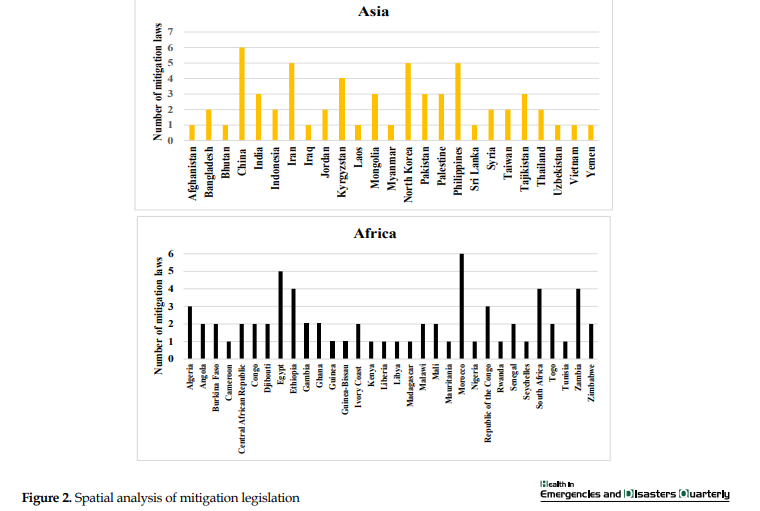
For spatial analysis, 88 developing countries were grouped by continent. As shown in Figure 2.
● 13 countries are in Europe and Oceania
● 18 countries are in the Americas
● 25 countries are in Asia
● 32 countries are in Africa
Since the mid-19th century, atmospheric carbon dioxide (CO2) levels have increased by over 40%, driving global warming and climate change [1, 2]. The Intergovernmental Panel on Climate Change (IPCC) defines climate change as long-term shifts in climate patterns, identified through statistical analyses [3]. This phenomenon is evident in rising global temperatures, rising sea levels, and melting ice caps [4].
The impacts of climate change are becoming more severe, with extreme weather events intensifying worldwide [5, 6]. Developing countries face significant vulnerabilities while also contributing substantially to greenhouse gas emissions [7, 8]. In 2022, global greenhouse gas emissions reached a record high, with China, the United States, India, the European :union: (EU), Russia, and Brazil accounting for more than half of total emissions [9]. If current trends persist, emissions from China and India alone are projected to surpass the combined output of all European :union: (EU) member states [10].
The IPCC’s Sixth Assessment Report highlights the urgent need to limit global warming to 1.5 °C above pre-industrial levels [11]. To achieve this, CO₂ emissions must decline significantly by 2030 and reach net zero by 2050 [12]. Mitigation efforts, which focus on reducing or preventing greenhouse gas emissions, are essential to meeting these targets [13]. Many developing nations, including China, Mexico, and Vietnam, have already set independent reduction targets and established emissions trading systems [14].
Addressing climate change requires a fundamental shift in policy and practice. Legislation plays a key role by setting emission targets, encouraging sustainable practices, and creating investment opportunities for clean energy [15]. Recognizing the need for a structured response, world leaders at the 1992 Rio Earth Summit laid the foundation for institutional, legal, and procedural frameworks to combat climate change [16].
Climate legislation is essential for reducing emissions and fostering sustainable development. It employs mechanisms such as emission limits, energy-efficiency standards, renewable-energy mandates, tax incentives, subsidies, and carbon pricing. Beyond driving innovation, these policies create a stable environment for long-term investments in sustainable infrastructure. Effective climate laws not only help mitigate environmental damage but also protect public health and promote economic stability. However, success depends on comprehensive policies that consider equity, ensure proper implementation, and encourage international cooperation [17–21].
Several studies have evaluated the effectiveness of climate policies. Eskandar and Fankhauser (2020) analyzed 1,800 climate-related laws and policies implemented in 133 countries between 1999 and 2016. Their research found that each new piece of legislation led to a 0.78% reduction in CO₂ emissions per unit of GDP in the short term and a 1.79% reduction over the long term [22]. Similarly, Farzaneh and Banimostafaarab (2023) examined climate adaptation legislation in both developed and developing countries, showing how these laws have evolved to address climate change more comprehensively over time [23, 24].
In developed countries, legal frameworks in sectors such as water, agriculture, and the environment have largely prioritized mitigation. Studies on climate legislation in urban and rural sectors reveal a similar focus on reducing emissions [25–28]. However, the research gap remains regarding the effectiveness of mitigation laws, particularly in key areas, such as water, agriculture, the environment, and rural and urban development.
In the context of global climate change, many developing countries face significant vulnerabilities and challenges. However, despite these challenges, there is limited research specifically focusing on the effectiveness and legislative frameworks for climate change mitigation in these regions. This study aims to fill this gap by analyzing the climate change mitigation legislation in developing countries, focusing on legislative trends, priorities, and effectiveness.
This study aims to bridge that gap by providing a comprehensive review of mitigation-focused legislation in developing countries. It relies on data from the Climate Change Laws of the World (CCLW) database, which compiles legislation directly related to climate change, as well as policies that support low-carbon transitions. Developed through a collaboration between the Grantham Research Institute and Globe International, this database is part of a broader effort to assess climate legislation worldwide [29].
Materials and Methods
Classification of developing countries
The human development index (HDI) is a widely used measure for assessing a country’s progress in three key areas: Life expectancy, education, and income [30, 31]. It helps distinguish between developed and developing nations by providing a numerical value between 0 and 1, with higher scores indicating greater human development [32, 33]. Countries with an HDI of 0.8 or above are classified as developed, while those below this threshold are considered developing [34, 35]:
● Very high human development (HDI ≥0.800): Countries in this category exhibit strong socioeconomic conditions, characterized by high life expectancy, advanced education systems, and high-income levels.
● High human development (0.700≤ HDI <0.800): Countries in this range have good access to education and healthcare but may still experience inequality and economic fluctuations.
● Medium human development (0.550≤ HDI <0.700): Countries in this category often face challenges, such as lower life expectancy, limited educational opportunities, and moderate income levels.
● Low Human Development (HDI <0.550): Countries with low HDI scores tend to struggle with poverty, weak healthcare systems, low literacy rates, and economic instability.
However, some countries, including North Korea, Monaco, and Taiwan, do not have a defined HDI. Despite this, these countries were included in the analysis of mitigation legislation alongside other developing countries. Table 1 presents an overview of the HDI values of developing countries and the number of mitigation legislation enacted in each [30, 36].
Quantitative analysis
This study employed a quantitative time-series approach to identify long-term trends and fluctuations in climate change mitigation legislation enacted by 88 developing countries.
To conduct this analysis, we collected data from the CCLW database on climate change mitigation legislation enacted annually by each of the 88 developing countries (Table 1). We analyzed the frequency and timing of the legislation passed to detect significant trends or notable variations in legislative activity. By focusing on these trends, we identified the main patterns of legislative change over time across countries. This trend analysis helped us to better understand the legislative developments in the context of climate change mitigation.
Additionally, this study applies Ostrom’s socioecological system (SES) framework to understand the legislative process. This model examines the interplay between three key systems—resources, actors, and governance—to identify patterns in policy development and implementation.
Qualitative analysis
To complement the quantitative findings, a qualitative analysis was conducted. This involved a detailed examination of legislative texts to identify recurring axes, policy priorities, and underlying motivations. Unlike numerical analysis, this approach captures the nuances of climate legislation, shedding light on the broader context of policy decisions and their implications.
For this analysis, we used an inductive approach to review the mitigation legislation. Initially, open coding was applied to identify key concepts, followed by axial coding to group related categories and identify higher-order themes. The analysis focused on key areas such as resources, actors, and governance systems, based on the social-ecological systems (SES) framework. This approach helped us understand the main themes in climate change mitigation legislation.
The study integrates both quantitative and qualitative methods to provide a well-rounded perspective on climate mitigation efforts in developing countries. The quantitative analysis tracked legislative trends over time, while the qualitative analysis provided a deeper understanding of how these pieces of legislation were framed, structured, and implemented.
Ostrom’s socioecological system framework
Ostrom’s SES framework provides a structured approach to analyzing complex environmental governance systems [37]. This study focuses on three core components:
● Resource system – The environmental settings in which resources are located or managed.
● Actor system – Individuals, institutions, or sectors that influence or are impacted by resource policies.
● Governance system – The mechanisms through which policies are designed, enforced, and adapted over time [38].
Each of these systems consists of multiple interrelated subsystems, categorized as follows:
● Resource system: Land use, land use change and forestry (LULUCF); coastal zones; cross-cutting areas; environment; waste; water.
● Actor system: Energy, buildings, transport, industry, agriculture, health, and tourism.
● Governance system: economy-wide, public sector, finance, rural, urban, and social development.
The research employs both quantitative and qualitative analyses in the following sections:
● Exploring common axes of mitigation.
● Temporal and spatial analysis of mitigation legislation.
● Temporal and spatial analysis of mitigation legislation within socioecological systems.
Temporal and spatial analysis of mitigation legislation in each system of resources, actors, and governance separately.
Results
Exploring common axes of mitigation
Mitigation has been a major focus in climate legislation across developing countries, leading to the enactment of numerous pieces of legislation. This legislation can be categorized as follows:
● 73 pieces of legislation address both mitigation and adaptation.
● 8 pieces of legislation cover mitigation, adaptation, and disaster risk management.
● 4 pieces of legislation focus on mitigation and disaster risk management.
● 2 pieces of legislation include mitigation, adaptation, disaster risk management, and loss and damage.
● 2 pieces of legislation address mitigation, adaptation, and loss and damage.
● 1 piece of legislation focuses on mitigation and loss and damage.
The most common approach among these pieces of legislation combines mitigation and adaptation. The first legislation in this category was China’s Forest Law of the People’s Republic of China, enacted in 1984. Legislative activity in this area peaked in 2012, with 12 new pieces of legislation passed that year. Other categories, particularly those addressing loss and damage, remain less common and have only recently begun to receive legislative attention.
Temporal and spatial analysis of mitigation legislations
As of 2022, 429 climate-related legislation have been enacted in developing countries, 226 of which specifically target mitigation—accounting for 53% of all climate-related legislation in these nations. On a global scale, developing countries have implemented 38% of the 593 climate change legislation enacted worldwide.
Figure 1 shows a timeline of mitigation legislation. The first legislation in this category was passed in 1980. However, legislative activity remained limited until 1996, with only six pieces of legislation enacted. From that point onward, the number of mitigation legislation steadily increased, peaking at 22 at 2014.
For spatial analysis, 88 developing countries were grouped by continent. As shown in Figure 2.
● 13 countries are in Europe and Oceania
● 18 countries are in the Americas
● 25 countries are in Asia
● 32 countries are in Africa
Africa leads in mitigation legislation, with 67 pieces of legislation (30%) of the total. Asia follows with 61 pieces of legislation (27%), the Americas with 59 (26%), and Europe and Oceania with 40 (18%). Among individual countries, Ukraine and Brazil have enacted the highest number of mitigation legislation, with 14 and 13 pieces of legislation, respectively.
Temporal and spatial analysis of mitigation legislation in social-ecological systems
Based on the analysis of socioecological systems for mitigation legislation shown in Figure 3, actor systems were mentioned 340 times, whereas resource and governance systems were mentioned significantly less, with 50 and 35 mentions, respectively. This highlights a notable disparity, with actor systems receiving far more attention than governance and resource systems.
Legislation within the actor system was first proposed in 1980 but took five years to be approved. From 2002 to 2017, mentions increased steadily, peaking at 30 in 2015. The governance system was first mentioned in 1987, while the resource system followed in 1992. Both systems exhibited a slower upward trend, with governance legislation reaching a maximum of 3 mentions in 2013 and resource legislation peaking at 7 mentions in 2010.
Figure 4 shows the spatial distribution of socioecological legislation across different continents.
Asia
In Asia, the actor system was the most frequently mentioned, with 117 mentions. The resource and governance systems were mentioned far less, with 11 and 7 mentions, respectively. Asia had the highest number of countries with legislated actor systems, with 26 enacting relevant laws. Among them, China led with 12 mentions, followed by Tajikistan (9), Iran, Pakistan, and Kyrgyzstan (7 each). For the resource system, six countries (China, Indonesia, Iran, the Philippines, Tajikistan, and Thailand) enacted legislation. Tajikistan had the highest share, with 3 mentions. Governance system legislation was recorded in five countries: China, Pakistan, the Philippines, Syria, and Vietnam, with China leading with three mentions.
Africa
Africa had the highest number of resource system mentions, totaling 19 across 12 countries. However, governance systems received comparatively less attention, with 16 mentions across 16 different countries. Despite this, the actor system dominated, accounting for 72% of all approved legislation, with 90 mentions across 32 countries. Notably, 30 of these countries were mentioned at least once in the actor system. South Africa led with 7 mentions, followed by Morocco, Ethiopia, and Egypt (6 mentions each).
America
All 18 American countries had at least one mention of the actor system, demonstrating its significance in this region. Of the 108 total mentions, 88% (85 cases) referred to the actor system. Brazil and Guatemala led with 15 mentions each, followed by Colombia with 12. Brazil also had the highest number of mentions in the resource system, with 5, making it the leading country in America for socioecological system legislation, with 23 pieces of legislation.
Europe and Oceania
Legislation related to the actor system remained dominant, with 13 countries enacting 58 pieces of legislation. Ukraine had the highest number of mentions (20), making it the leader in this system. Ukraine was also the only European country with governance system legislation, with three mentions. Meanwhile, two other countries, along with Vanuatu, accounted for four mentions in the resource system.
Temporal and spatial analysis of mitigation legislation in the resource system
The resource system in developing countries includes four key subsystems: LULUCF (18 mentions), waste (16 mentions), water (12 mentions), and environment (4 mentions). There is a significant gap between developing and developed countries in resource-system legislation.
As shown in Figure 5, waste management legislation has been in place since 1991. Legislation governing LULUCF, water, and the environment was introduced later, in 1999, 2001, and 2007, respectively. Since 2001, legislation on LULUCF, water, and waste has steadily increased. However, environmental legislation has stagnated, with no new legislation enacted in developing countries between 2008 and 2015, in stark contrast to the other subsystems.
The highest number of legislations was recorded in 2015, with eight new enactments. However, between 2018 and 2022, only four new pieces of legislation related to resource subsystems were approved in developing countries. This highlights a concerning lack of attention to critical areas such as water and environmental protection.
Figure 6 shows the legislative landscape for the resource system across different continents.
Europe and oceania
Only two countries in this region have legislation related to resource subsystems:
● Ukraine has 3 mentions related to waste management.
● Vanuatu has 1 mention related to LULUCF.
Overall, Europe and Oceania have the fewest pieces of legislation in this system compared to other continents.
References
Of the 18 countries, nine have enacted legislation related to resource subsystems:
● Waste management has the highest number of mentions (six laws), with Bolivia and Ecuador each having one mention, and Brazil and Colombia each having two.
● LULUCF is mentioned in four countries: Peru (2), Brazil, El Salvador, and Mexico (1 each).
● Water-related legislation was found in Brazil, Dominica, and Venezuela (four mentions).
● Venezuela is the only country in the region with legislation on environmental subsystems (one mention).
Asia
In Asia, six countries have approved legislation related to resource systems:
● Tajikistan has three pieces of legislation, mostly related to water and waste management.
● China has two pieces of legislation covering the environment and LULUCF.
● Indonesia, Iran, the Philippines, and Thailand each have one piece of legislation related to different subsystems.
Africa
Of the 32 countries, 12 have enacted a total of 19 pieces of legislation related to resource systems:
● LULUCF has received the most attention, with 10 pieces of legislation approved.
● Water legislation has been enacted in Angola, Guinea-Bissau, Guinea, and Liberia (four mentions).
● Waste management has 3 mentions across the continent.
● Environmental legislation has been the least prioritized, with only 2 mentions.
Temporal and spatial analysis of mitigation legislation in the actor system
The actor system in developing countries includes six key subsystems: Energy (174 mentions), Transport (68 mentions), Building (44 mentions), Industry (30 mentions), Agriculture (15 mentions), Health (9 mentions)
As shown in Figure 7, most legislation in these sectors has been enacted since 1997, with approximately 75% of legislation approved after 2007. The earliest legislation in this system was for transport in 1980, followed by energy in 1986. The industry, agriculture, and building sectors were first regulated in 1987.
Figure 8 shows the legislative landscape for actor system across different continents.
Europe and Oceania
● The energy sector has the most mentions (31), followed by building (11), transport (10), industry (3), health (2), and agriculture (1).
● Ukraine (11 mentions) and Albania (7 mentions) lead the energy sector legislation.
● Ukraine (four mentions) and Albania (two mentions) have the most building regulations.
● Ukraine (three mentions) and San Marino (two mentions) lead in transport.
● Ukraine is the only country with multiple mentions (2) in the agriculture and health sectors.
America
● The energy sector has the highest mentions (42), followed by transport (18), building (11), industry (4), health (3), and agriculture (2).
● Brazil (eight mentions) and Mexico (six mentions) have the most legislation in the energy sector.
● Brazil (five mentions), Mexico (three mentions), and Colombia (three mentions) lead in transport.
Asia
● The energy sector dominates with 54 mentions, followed by transport (20), building (12), industry (12), agriculture (5), and health (4).
● Iran and South Korea (five mentions each) have the most legislation in the energy sector.
● Tajikistan (three mentions) leads in transport.
● In other sectors, each country has a maximum of two mentions in the legislation.
Africa
● The energy sector has the highest number of mentions (47), followed by transport (20), building (11), industry (8), agriculture (3), and health (1).
● Djibouti and Morocco (five mentions each) have the most energy-related legislation.
● South Africa (three mentions) leads in transport-related regulations.
● In other sectors, each country is limited to a maximum of two mentions.
Temporal and spatial analysis mitigation legislation in the governance system
The governance system in developing countries includes five main subsystems: Economy-wide (6), social development (4), rural (3), urban (2), and finance (1). As shown in Figure 9, the first legislation was approved in 1987, covering the urban and economy-wide sectors. This was followed by the social development sector in 2000 and the rural sector in 2003. From 2004 onwards, all four sectors saw a continuous increase in legislative approval, peaking in 2011. Since 2019, the trend has remained stable with no significant changes.
Figure 10 shows the legislative landscape for the governance system across different continents.
A survey of legislation mentions by continent reveals that the economy-wide subsystem is the most frequently mentioned across all regions.
● America, Europe, and Oceania exclusively mention the economy-wide subsystems.
● In Africa, the economy-wide sector is mentioned most (six times), followed by rural (three mentions) and finance (one mention). Each African country has a maximum of one mention per legislation.
● In Asia, the economy-wide subsystem is the most frequently mentioned (6 times), followed by the urban (one mention) and the social development (one mention). Notably, the Philippines and China each have two mentions in the economy-wide sector, while China and Syria each have one mention in the urban and social development sectors.
Discussion
A study of mitigation legislation in developing countries shows a steady increase in both the number and scope over time.
● 1980s: Only three pieces of legislation were passed—in Mexico, North Korea, and China—mainly focusing on environmental protection due to limited awareness of climate change.
● 1990s: The number of pieces of legislation quadrupled, with most addressing energy-related issues. Countries, such as Thailand, Ukraine, Kyrgyzstan, and North Korea, introduced legislation to promote energy conservation and production.
● 2000s: This decade saw a significant rise, with 80 new pieces of legislation covering a broader range of issues, reflecting a growing awareness of mitigation. Brazil, Ethiopia, Guatemala, and El Salvador enacted laws on energy conservation, renewable energy, and rural electrification.
● 2010s: The trend continued, reaching 120 pieces of legislation. New topics emerged, such as basic environmental laws, energy efficiency in buildings, and green jobs. Guinea-Bissau, Ivory Coast, Zambia, and the Republic of Congo introduced new environmental legislation, while Iran, Kyrgyzstan, and Moldova focused on energy efficiency.
● 2020s: Recent legislation has addressed COVID-19 impacts, wetland conservation, and electric vehicle promotion, with countries, such as the Philippines and China leading in these areas.
While this legislation contributes to mitigation, its effectiveness depends on strong enforcement and governance. In the long term, they have the potential to significantly curb greenhouse gas emissions.
Despite these advances, several challenges remain:
● Uneven legislative distribution: Some sectors, such as energy and transport, receive considerable attention, while others, such as environmental protection and water management, remain underrepresented. A more balanced approach is needed to address all critical areas.
● Effectiveness of implementation: The success of mitigation policies depends on institutional capacity, funding, implementation mechanisms, and public awareness. Many developing countries lack the resources and expertise needed for proper enforcement.
Finally, the following actions are recommended to enhance the impact of mitigation legislation:
● Strengthen institutional capacity to improve governance and enforcement.
● Prioritize key sectors to ensure all relevant areas receive adequate attention.
● Enhance international cooperation for financial and technical support.
● Promote public awareness to encourage participation and compliance.
● Monitor and evaluate policies to assess effectiveness and make necessary adjustments.
While these overarching recommendations provide a solid foundation for climate mitigation, their effectiveness depends on region-specific adaptations. The following strategies can help countries implement them effectively:
● Africa: Strengthen governance through regional climate policy hubs (e.g. the African :union:) and enhance enforcement. Prioritize off-grid renewable energy and climate-smart agriculture, while expanding public-private partnerships for climate finance.
● Asia: Improve local policy enforcement in South and Southeast Asia and integrate climate laws into national economic plans in high-emission countries, such as China. Accelerate public transport electrification and expand carbon trading initiatives.
● Americas: Enhance policy transparency through independent monitoring agencies and boost reforestation efforts in the Amazon. Implement net-zero building policies in urban areas and expand carbon pricing mechanisms (e.g. Brazil, Mexico) to support climate funding.
● Europe: Strengthen the EU Green Deal and promote green innovation. Enhance cross-border cooperation on renewable energy, expand carbon pricing mechanisms, and invest in sustainable urban mobility and infrastructure. Focus on climate adaptation in southern Europe through water conservation and resilient infrastructure.
● Oceania: Invest in resilient infrastructure for Pacific Island nations, promote renewable energy projects, and strengthen climate adaptation measures for agriculture and fisheries. Expand access to climate finance and promote regional cooperation through initiatives, such as the Pacific Islands Forum.
By addressing these challenges and implementing effective policies, developing countries can play a vital role in mitigating climate change and building a sustainable future.
Conclusion
This study provides a comprehensive analysis of mitigation legislation in developing countries, based on data from the CCLW database. The findings reveal a significant increase in the number and scope of these pieces of legislation over time, reflecting a growing awareness of the urgent need to combat climate change.
While most mitigation legislation focuses on actor systems, particularly in the energy, transport, and building sectors, there is a growing—but still insufficient—emphasis on resource and governance systems. This imbalance suggests a need for greater attention to these areas.
Our analysis underscores the importance of a multifaceted approach to climate mitigation, combining sectoral and systemic changes. Although the rising trend in climate legislation is encouraging, effective implementation and enforcement remain crucial to achieving real emission reductions. These legislative efforts in developing countries contribute to global emission reduction targets, highlighting their role in the broader global climate framework. By adopting a comprehensive and coordinated approach, the global community can accelerate progress toward a sustainable, low-carbon future.
Limitations
This study may have missed some mitigation legislation. We used the CCLW database; however, it may not include all the legislation. This could mean that we underestimated the number of pieces of legislation in developing countries.
Although this study provides valuable insights into climate change mitigation legislation in developing countries, several limitations warrant consideration. First, although we relied on the CCLW database, it may not include all relevant legislation, leading to the possibility that some mitigation measures were overlooked. This limitation could result in an underestimation of the number of pieces of legislation in developing countries. Additionally, the CCLW database may not capture the full scope of legislative activity in certain regions, particularly if new or emerging policies were not added in time for inclusion.
Another limitation is the inability to assess the quality of implementation of this legislation. While we analyzed the presence and trends of mitigation legislation, we did not examine how effectively these pieces of legislation were enforced or their actual impact on greenhouse gas emissions. The quality of implementation, including institutional capacity, political will, and resources, can significantly affect the success of climate mitigation efforts, but it was beyond the scope of this study.
Finally, our analysis focused on legislative trends and did not account for other important factors, such as social, economic, or cultural influences that may shape the adoption and success of climate change mitigation measures.
Ethical Considerations
Compliance with ethical guidelines
This article is based on the analysis of publicly available legislative documents and does not involve human or animal samples; therefore, ethical approval was not required.
Funding
This research did not receive any grant from funding agencies in the public, commercial, or non-profit sectors.
Authors' contributions
All authors contributed equally to the conception and design of the study, data collection and analysis, interception of the results, and manuscript drafting. Each author approved the submission of the final version of the manuscript.
Conflict of interest
The authors declared no conflict of interests.
References
- McNutt M, Ramakrishnan V. Climate change evidence & causes. Washington: National Academy of Sciences; 2020. [Link]
- Saleh TA. Nanomaterials and hybrid nanocomposites for CO₂ capture and utilization: Environmental and energy sustainability. RSC Advances. 2022; 12(37):23869-88. [DOI:10.1039/D2RA03292A] [PMID] [PMCID]
- IPCC (a). Annex I: Glossary. In: Reisinger AD, Cammarano A, Fischlin JS, Fuglestvedt G, Hansen Y, Jung C, Ludden V, Masson-Delmotte R, Matthews JBK, Mintenbeck DJ, Orendain A, Pirani E, Poloczanska J, Romero J, editors. Climate Change 2023: Synthesis Report. Contribution of Working Groups I, II, and III to the Sixth Assessment Report of the Intergovernmental Panel on Climate Change Geneva: IPCC; 2023. [Link]
- United Nations. What is climate change [Internet]? 2023 [Updated 2026 July 10]. Available from: [Link]
- IPCC. Summary for policymakers. Climate change 2023: Synthesis report [Internet]. 2023 [Updated 2026 July 10]. Available from: [DOI:10.59327/IPCC/AR6-9789291691647.001]
- Rocha J, Oliveira S, Viana CM, Ribeiro AI. Climate change and its impacts on health, environment, and economy. One Health. 2022; 12:253-79. [DOI:10.1016/B978-0-12-822794-7.00009-5]
- Tunji-Olayeni PF, Omuh IO, Afolabi AO, Ojelabi RA, Eshofonie EE. Climate change mitigation and adaptation strategies for construction activities within planetary boundaries: Limitations of developing countries. Journal of Physics: Conference Series. 2019; 1299(1):012006. [DOI:10.1088/1742-6596/1299/1/012006]
- Chandler W, Secrest TJ, Logan J, Schaeffer R, Szklo AS, Schuler ME, et al. Climate change mitigation in developing countries: Brazil, China, India, Mexico, South Africa, and Turkey. Arlington: Pew Center on Global Climate Change; 2002. [Link]
- Crippa M, Guizzardi D, Pagani F, Banja M, Muntean M, Schaaf E, Vignati E. GHG emissions of all world countries. Luxembourg: Publications Office of the European. 2023. [DOI:10.2760/074804]
- Ludwig F, van Scheltinga CT, Verhagen J, Kruijt B, van Ierland E, Dellink R, et al. Climate change impacts on developing countries-EU accountability. Brussels: European Parliament; 2007. [Link]
- IPCC (c). Climate change 2021: The physical science basis. Cambridge: Cambridge University Press; 2021. [Link]
- Eckardt NA, Ainsworth EA, Bahuguna RN, Broadley MR, Busch W, Carpita NC, et al. Climate change challenges, plant science solutions. The Plant Cell. 2023; 35(1):24-66. [DOI:10.1093/plcell/koac303] [PMID] [PMCID]
- Kumar A. Ecosystem-Based Adaptation: Approaches to Sustainable Management of Aquatic Resources. Amsterdam: Elsevier; 2022. [Link]
- Jakob M, Steckel JC, Klasen S, Lay J, Grunewald N, Martínez-Zarzoso I, et al. Feasible mitigation actions in developing countries. Nature Climate Change. 2014; 4(11):961-8. [DOI:10.1038/nclimate2370]
- Client Earth Communications. How can the law fight climate change [Internet]? 2021 [Updated 2026 July 10]. Available from: [Link]
- Koehl A, Higham C. What is climate change legislation [Internet]? 2022 [Updated 2026 July 10]. Available from: [Link]
- California Public Utilities Commission (CPUC). Renewables portfolio standard (RPS) [Internet]. 2024 [Updated 2026 July 10]. Available from: [Link]
- California Department of Tax and Fee Administration (CDTFA). 2024 [Updated 2026 July 10]. Available from: [Link]
- Grantham Research Institute on Climate Change and the Environment. What is climate change legislation? [Internet]. 2024 [Updated 2026 July 10]. Available from: [Link]
- U.S. Environmental Protection Agency (EPA). Greenhouse gas standards and guidelines for fossil-fuel-fired power plants [Internet]. 2024 [Updated 2026 July 10]. Available from: [Link]
- U.S. Department of Energy (DOE).DOE finalizes cost-saving efficiency standards for new cooking products, based on recommendations from manufacturers and consumer advocates2024 [Updated 2026 July 10]. Available from: [Link]
- Eskander SM, Fankhauser S. Reduction in greenhouse gas emissions from national climate legislation. Nature Climate Change. 2020; 10(8):750-6. [DOI:10.1038/s41558-020-0831-z]
- Farzaneh MR, Banimostafaarab F (a). Analysis of climate change adaptation laws in developed countries (Persian). Journal of Drought and Climate Change Research. 2023; 1(1):49-70. [DOI:10.1038/s41558-020-0831-z]
- Farzaneh MR, Banimostafaarab F. [Analysis of climate change adaptation laws in developing countries (Persian)]. Climate Change Research. 2023; 4(13):35-54. [Link]
- Banimostafaarab F, Banimostafaarab E, Farzaneh MR. [The approach of developed countries in climate change legislations in urban and rural sectors (Persian)]. Paper presented at: The First International Conference and The Second National Conference on Modeling and New Technologies in Water Management. 21 February 2023; Birjand, Iran. [Link]
- Fakhri M, Farzaneh MR, Banimostafaarab F. [The roadmap for water sector of developed countries in the face of climate change (Persian)]. Paper presented at: The First International Conference and The Second National Conference on Modeling and New Technologies in Water Management. 21 February 2023; Birjand, Iran. [Link]
- Fakhri M, Farzaneh MR, Banimostafaarab F. [The roadmap for agriculture sector of developed countries in the face of climate change (Persian)]. Paper presented at: The First International Conference and the Second National Conference on Modeling and New Technologies in Water Management. 21 February 2023; Birjand, Iran. [Link]
- Farzaneh MR, Banimostafaarab F, Azizi SE, Khaman A. [Roadmap for environmental regulation of developed countries in the face of climate change (Persian)]. Paper presented at: The First International Conference and the Second National Conference on Modeling and New Technologies in Water Management. 21 February 2023; Birjand, Iran.
- Grantham Research Institute on Climate Change and the Environment, London School of Economics and Political Science. Climate Change Laws of the World: Global Database of Climate Change Laws, Policies, and Targets [Internet].2025 [Updated October 2025]. Available from: [Link]
- Mirahmadizadeh A, Ghelichi-Ghojogh M, Vali M, Jokari K, Ghaem H, Hemmati A, et al. Correlation between human development index and its components with COVID-19 indices: A global level ecologic study. BMC Public Health. 2022; 22(1):1549. [DOI:10.1186/s12889-022-13698-5] [PMID] [PMCID]
- Zhang S, Zhu D. Incorporating “relative” ecological impacts into human development evaluation: Planetary boundaries-adjusted HDI. Ecological Indicators. 2022; 137:108786. [DOI:10.1016/j.ecolind.2022.108786]
- Azwandi A, Wibisono C, Indrawan MG, Satriawan B, Khaddafi M. The effect of financial performance on the human development index moderated economic growth in regency/city in the province of Riau Island. International Journal of Educational Review, Law and Social Sciences. 2022; 2(5):633-50. [DOI:10.54443/ijerlas.v2i5.371]
- Dasic B, Devic Z, Denic N, Zlatkovic D, Ilic ID, Cao Y, et al. Human development index in a context of human development: Review on the western Balkans countries. Brain Behav. 2020; 10(9):e01755. [DOI:10.1002/brb3.1755] [PMID] [PMCID]
- Chhibber A. Measuring human development for the Anthropocene. New York: UNDP Human Development Report Office; 2020. [Link]
- UNDP. Human development report 2022: Technical notes. New York: UNDP; 2022. [Link]
- UNDP. Human development report 2021: Technical notes. New York: UNDP; 2021. [Link]
- Xie Y, Wen Y, Cirella GT. Application of Ostrom’s social-ecological systems framework in nature reserves: Hybrid psycho-economic model of collective forest management. Sustainability. 2019; 11(24):6929. [DOI:10.3390/su11246929]
- Del Mar Delgado-Serrano M, Ramos P. Making ostrom’s framework applicable to characterize social ecological systems at the local level. International Journal of the Commons. 2015; 9(2):808-30. [DOI:10.18352/ijc.567]
Type of article: Research |
Subject:
Special
Received: 2024/10/15 | Accepted: 2025/09/27 | Published: 2026/06/21
Received: 2024/10/15 | Accepted: 2025/09/27 | Published: 2026/06/21
Send email to the article author
| Rights and permissions | |
 |
This work is licensed under a Creative Commons Attribution-NonCommercial 4.0 International License. |

Copyright © The Author(s);
This is an open access article distributed under the terms of the Creative Commons Attribution-NonCommercial 4.0 (CC-By-NC 4.0), which permits use, distribution, and reproduction in any medium, provided the original work is properly cited and is not used for commercial purposes.
Contact Information
This is an open access article distributed under the terms of the Creative Commons Attribution-NonCommercial 4.0 (CC-By-NC 4.0), which permits use, distribution, and reproduction in any medium, provided the original work is properly cited and is not used for commercial purposes.
Contact Information
