

Volume 11, Issue 3 (Spring 2026)
Health in Emergencies and Disasters Quarterly 2026, 11(3): 173-190 |
Back to browse issues page



Ethics code: IR.SBMU.PHNS.REC.1403.095


Download citation:
BibTeX | RIS | EndNote | Medlars | ProCite | Reference Manager | RefWorks
Send citation to:


BibTeX | RIS | EndNote | Medlars | ProCite | Reference Manager | RefWorks
Send citation to:
Mohsenian A, Esmaeili S V, Alboghbeish A, Poursadeghiyan M, Shahsavani A, Salehi Sahlabadi A. Climate Change and Its Implications for Occupational Health and Safety: A Comprehensive Systematic Review. Health in Emergencies and Disasters Quarterly 2026; 11 (3) :173-190
URL: http://hdq.uswr.ac.ir/article-1-676-en.html
URL: http://hdq.uswr.ac.ir/article-1-676-en.html
Ali Mohsenian1 

 , Seyed Vahid Esmaeili2 , Ali Alboghbeish2 , Mohsen Poursadeghiyan3 , Abbas Shahsavani4 , Ali Salehi Sahlabadi *5
, Seyed Vahid Esmaeili2 , Ali Alboghbeish2 , Mohsen Poursadeghiyan3 , Abbas Shahsavani4 , Ali Salehi Sahlabadi *5
1- Student Research Committee, Shiraz University of Medical Sciences, Shiraz, Iran.
2- Department of Occupational Health and Safety Engineering, Student Research Committee, School of Public Health and Safety, Shahid Beheshti University of Medical Sciences, Tehran, Iran.
3- Social Determinants of Health Research Center, Ardabil University of Medical Sciences, Ardabil, Iran.
4- Air Quality and Climate Change Research Center, Research Institute for Health Sciences and Environment, Shahid Beheshti University of Medical Sciences, Tehran, Iran.
5- Air Quality and Climate Change Research Center, Research Institute for Health Sciences and Environment, Shahid Beheshti University of Medical Sciences, Tehran, Iran. & Department of Occupational Health and Safety Engineering, School of Public Health and Safety, Shahid Beheshti University of Medical Sciences, Tehran, Iran. ,asalehi529@gmail.com
2- Department of Occupational Health and Safety Engineering, Student Research Committee, School of Public Health and Safety, Shahid Beheshti University of Medical Sciences, Tehran, Iran.
3- Social Determinants of Health Research Center, Ardabil University of Medical Sciences, Ardabil, Iran.
4- Air Quality and Climate Change Research Center, Research Institute for Health Sciences and Environment, Shahid Beheshti University of Medical Sciences, Tehran, Iran.
5- Air Quality and Climate Change Research Center, Research Institute for Health Sciences and Environment, Shahid Beheshti University of Medical Sciences, Tehran, Iran. & Department of Occupational Health and Safety Engineering, School of Public Health and Safety, Shahid Beheshti University of Medical Sciences, Tehran, Iran. ,
Full-Text [PDF 730 kb]
(731 Downloads)
| Abstract (HTML) (3038 Views)
Full-Text: (144 Views)
Introduction
Occupational health science contributes to the preservation of employee health and well-being and ultimately to community safety through the anticipation, recognition, assessment, and control of workplace health hazards [1]. One of the hazards impacting the health and safety of employees that has received less attention is climate change [2].
Atmospheric scientists often characterize climate change as a major and persistent transformation in climatic conditions, marked by shifts in weather patterns occurring across intervals varying between decades and millions of years. There is ongoing debate in certain political and business sectors suggesting that these changes are mainly driven by natural factors, such as biological processes, changes in solar energy levels, volcanic eruptions, and oceanic currents. Some argue that climate changes have occurred historically and do not result from human actions like fossil fuel combustion. However, the general agreement among scientists is that “the climate is undergoing change, and human activities are considered the primary cause of these shifts.” Although many aspects remain to be clarified, the extensive evidence supports the idea that the models and hypotheses regarding climate change have remained robust despite rigorous scientific scrutiny over recent decades. The release of carbon dioxide into the air starting from the onset of the industrial revolution has resulted in a significant rise in worldwide temperatures, shrinking polar ice, elevated sea levels, and increasingly severe extreme weather events [3].
Climate change is increasingly recognized as a paramount challenge facing multiple sectors globally, profoundly influencing environmental, societal structures, and financial systems [4]. The implications of climate change extend beyond ecological and atmospheric changes; it also impacts public health and occupational safety across various industries [5]. Exploring how climate change impacts workplace health and safety is essential, as the workforce contends with a rapidly changing environment marked by rising temperatures, extreme weather events, and shifting ecological conditions [6].
Recent scientific studies have suggested that climate-induced environmental changes significantly contribute to the deterioration of health and safety within workplaces, especially among employees working in open-air sectors like agriculture and building trades, as well as in emergency response [7]. Heat stress, for example, has increasingly become a concern, as rising global temperatures have led to a surge in heat-related health conditions like heat exhaustion and heatstroke [8]. The direct consequences of heat exposure include impaired physical and cognitive performance, which have been linked to a rise in workplace accidents [9].
In addition to heat stress, changing weather patterns have led to a rise in both the frequency and severity of natural disasters such as storms, severe flooding, and uncontrolled wildfires [10]. These events not only threaten the safety of workers directly engaged in disaster response but can also disrupt supply chains and create hazardous conditions for employees returning to work post-disaster. Employers must develop comprehensive preparedness plans that prioritize worker safety despite increasingly common and severe events [11, 12].
The changing climate has also implications for the prevalence and distribution of occupational diseases. For instance, workers may face heightened exposure to vector-borne illnesses under warmer conditions, necessitating updated safety protocols and targeted health education [13]. As the distribution of common vector species like mosquitoes grows, the likelihood of illnesses, such as Lyme disease and West Nile virus spreading into previously unaffected labor sectors also increases [14].
Furthermore, intense weather phenomena can lead to the release of hazardous materials and pollutants during disasters, posing additional risks to workers engaged in cleanup and recovery operations [15]. Cleanup crews following floods or chemical spills must contend with hazardous waste and potential biohazards, underscoring the necessity for rigorous health and safety guidelines and training specifically adapted to these changing circumstances [13].
Psychosocial stressors are another dimension of the OSHA (Occupational Safety and Health Administration] nexus. Workers facing emotional and psychological strain due to extreme weather events, unpredictable work conditions, or catastrophic disruptions may experience increased mental health difficulties [16]. This highlights the need for fostering supportive work environments that address mental health alongside traditional safety concerns despite climate-induced stressors [17].
The need for a proactive approach to Occupational Safety and Health (OSH) considering climate change cannot be overstated. Employers and decision-makers ought to allocate resources toward research that explores how climate-related elements affect the health and safety of workers [18, 19]. This includes creating training programs that equip workers with the knowledge and skills to mitigate risks associated with changing environmental conditions, whether by protecting against heat exposure, understanding new disease vectors, or responding to natural disasters effectively [13, 20].
Policies that integrate climate resilience into workplace safety regulations can also foster a safer working environment [21]. As organizations begin to recognize the link between climate change and OSH, a systemic approach can emerge that emphasizes preventive measures and adaptive practices that safeguard workers amid evolving climate challenges [22].
As highlighted in this review, responding to climate-related risks in the workplace is not only essential for protecting today’s workforce, but also pivotal for sustaining the long-term resilience of industries that may face heightened vulnerability in the future. In conclusion, tackling these complex challenges offers a vital opportunity to strengthen occupational safety by implementing evidence-based adaptations, establishing robust policy frameworks, and promoting targeted educational initiatives.
Due to the growing importance of climate change, the theme of the 2024 world day for safety and health at work has been chosen to focus on how climate change affects occupational health and safety. Accordingly, this study aims to conduct a comprehensive examination and evaluation of the impact of climate change on workers’ health and safety. This research classifies and analyzes these impacts based on their nature and type, drawing attention to the increasing vulnerability of workers to various climate-related risks. This study aims to offer crucial insights for decision-makers and those involved in occupational health, helping them take well-informed and effective actions to address the challenges posed by climate change exposure in the workplace.
Materials and Methods
The protocol for this study was developed and presented in accordance with the standards set by the PRISMA (preferred reporting items for systematic reviews and meta-analyses) guidelines for systematic reviews and meta-analyses [23]. First, articles were searched in reliable databases based on keywords. After selecting the articles and coding them, the required data were extracted and analyzed based on the main question of this research. The steps of this study are described.
Data collection
For the purpose of this research, articles were searched in PubMed, Scopus, ScienceDirect, Cochrane, Embase, Web of Science, and Google Scholar on March 31, 2024. For this purpose, two researchers (Ali Mohsenian and Sayed Vahid Esmaeili) explored scientific databases using specified keywords. The database search by two researchers ensured the accuracy, systematicity, and reproducibility of the method.
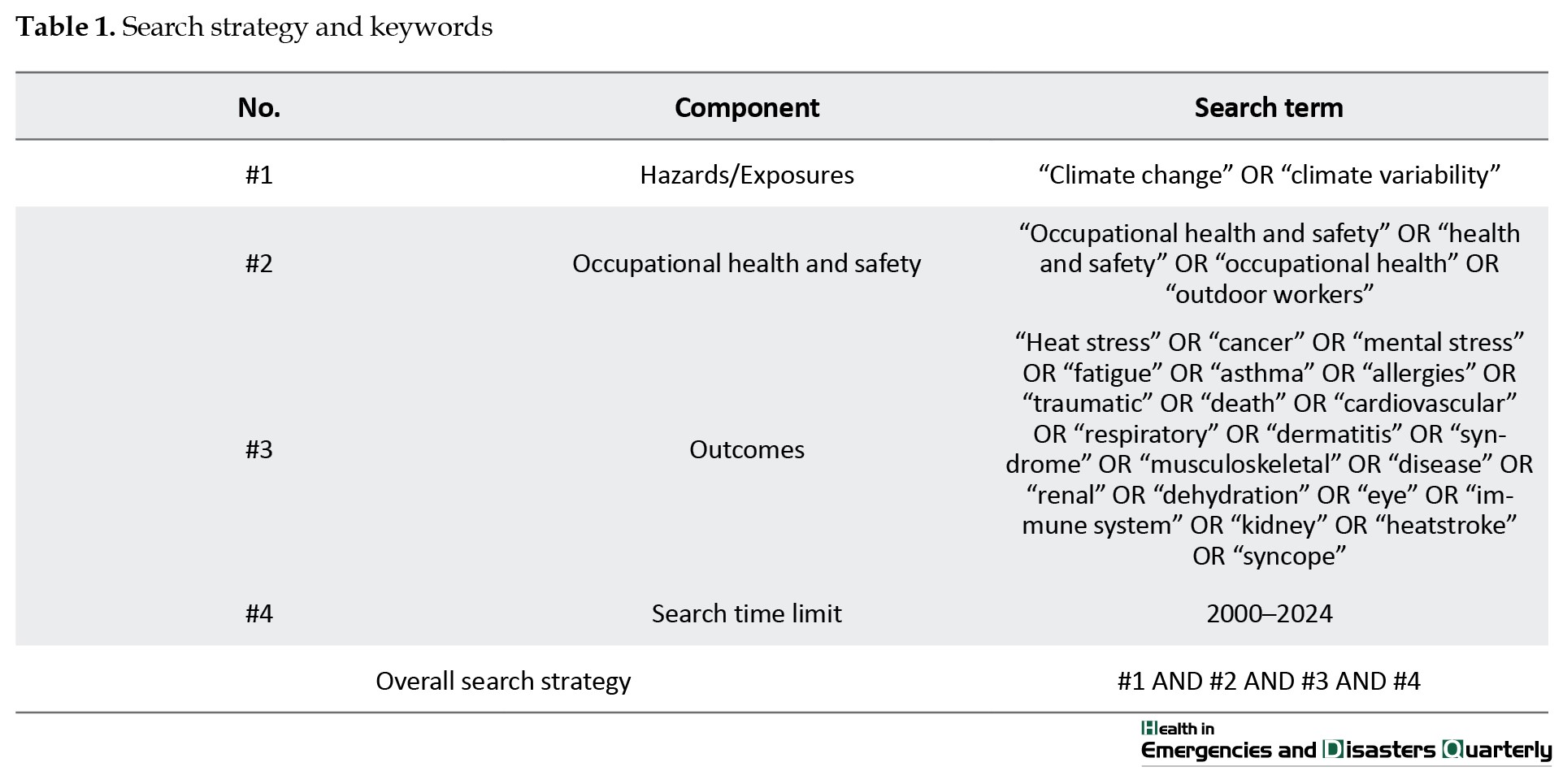
Valid scientific studies were reviewed based on the inclusion and exclusion criteria, and duplicate and irrelevant articles were excluded from the study. A senior investigator (Ali Salehi Sahlabadi) resolved any conflicts or disagreements. The search strategy, including keywords and database selection, was developed in consultation with professors and members of the research team. The search strategy and keywords in the cited databases is described in Table 1.
The inclusion criteria were as follows: original, experimental, and laboratory articles written in English.
The exclusion criteria were as follows: articles with unrelated topics; non-research articles, including editorials, authors’ notes, and letters to the editor; types of studies include books and review articles.
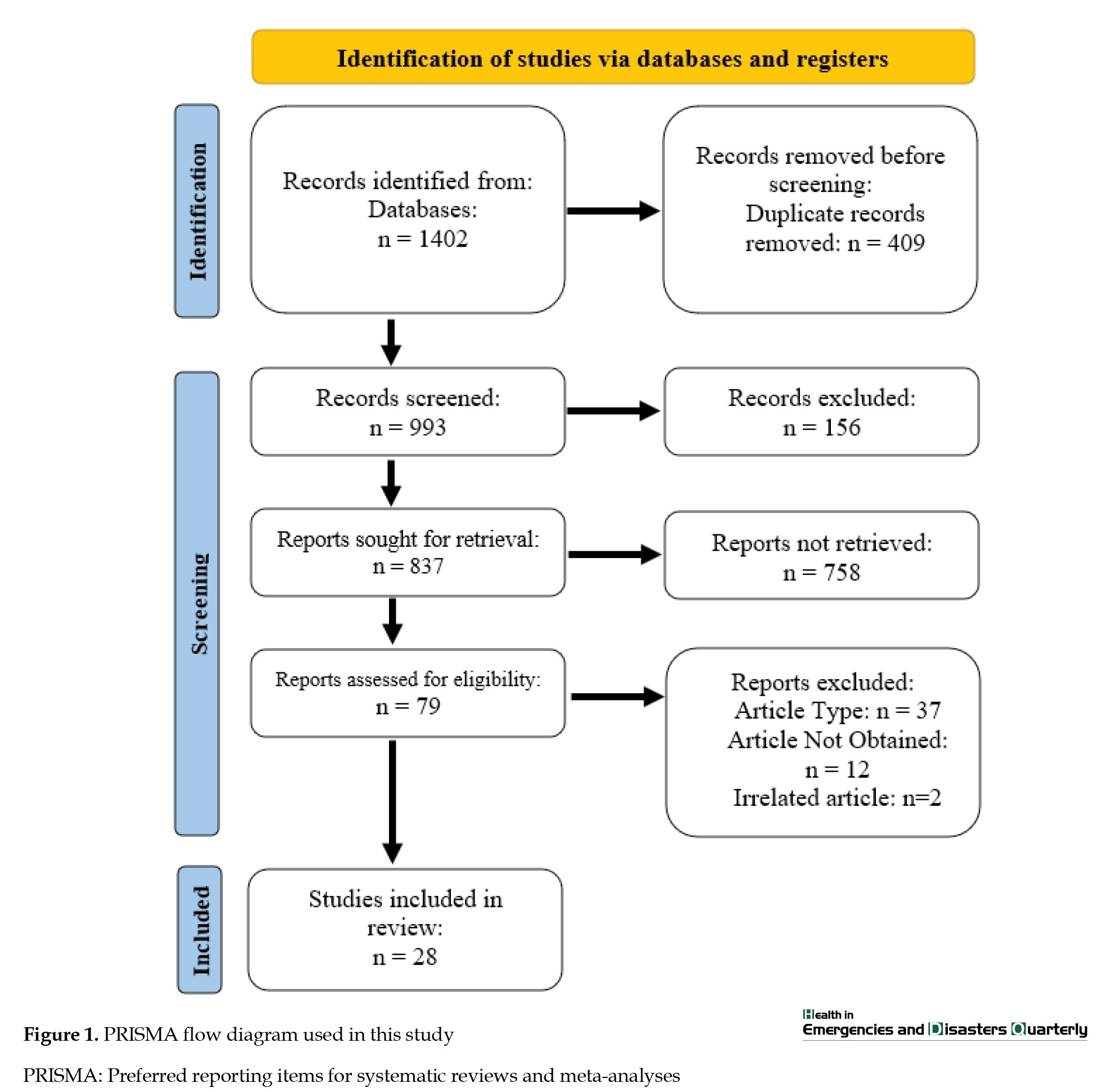
The articles identified based on the database searches were entered into Endnote version 8.1 software. Figure 1 depicts the process of article selection.
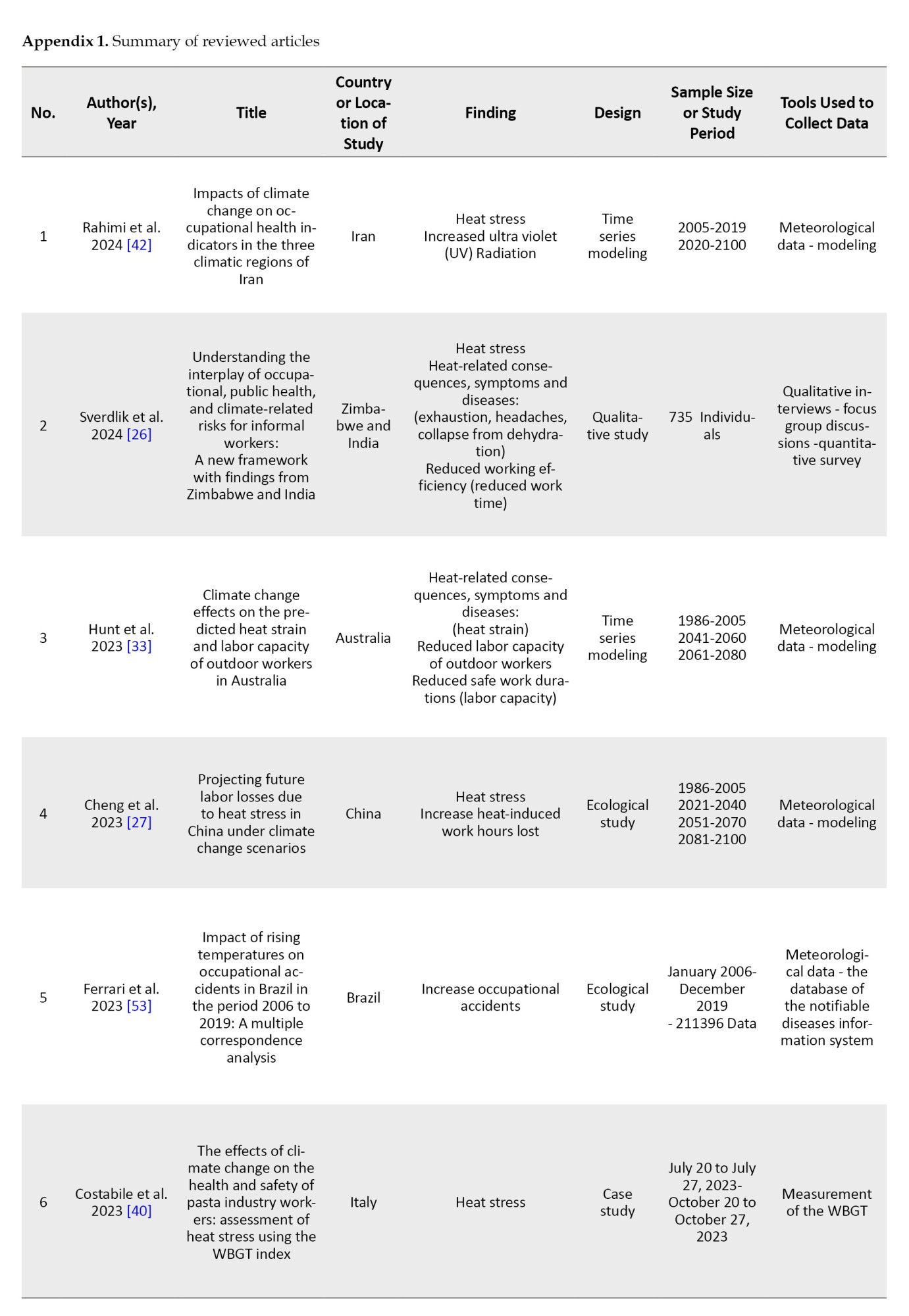
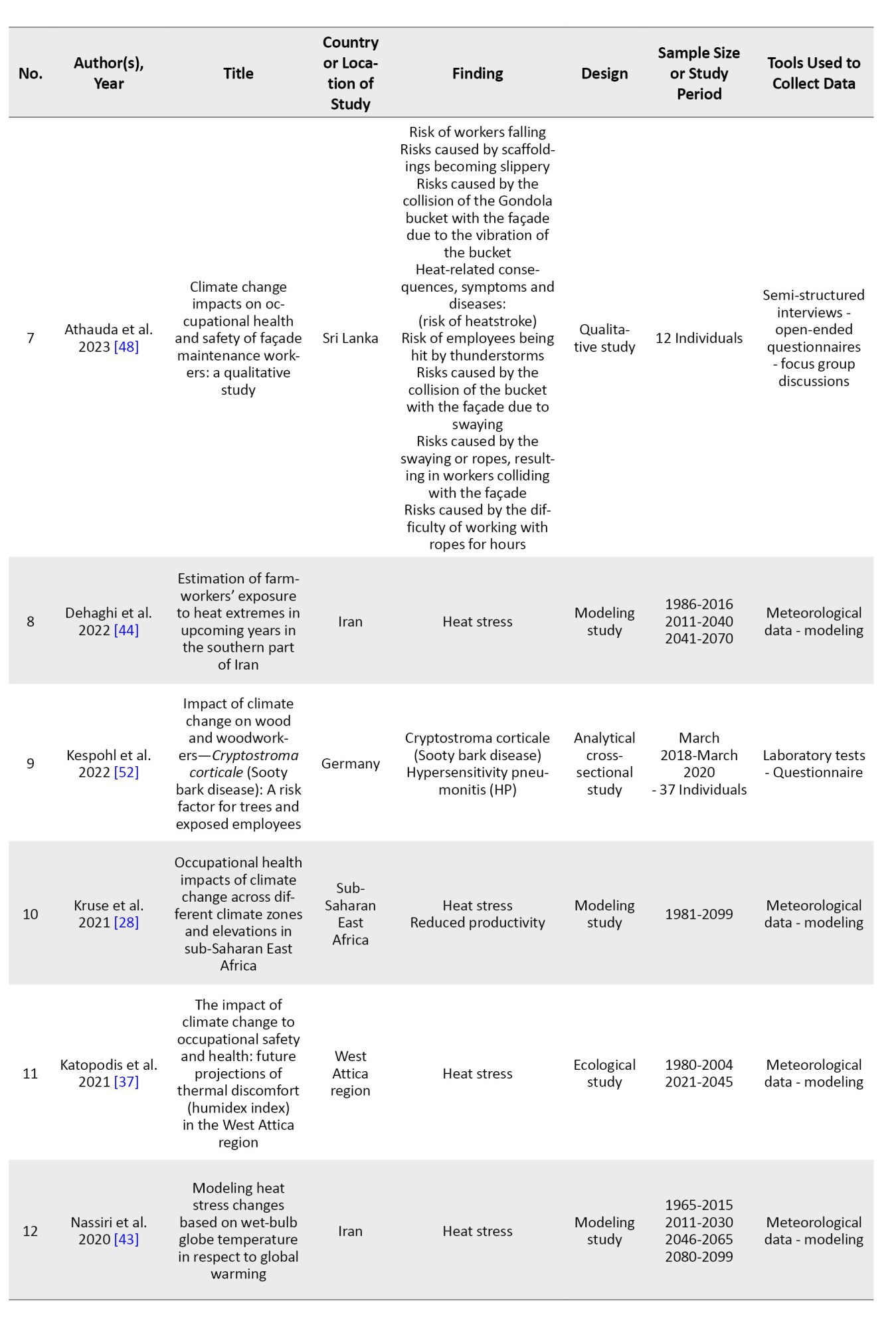
 The articles were reviewed, and the required data were extracted. The data included the first author’s name, year of the study, title of the article, location of the study, a summary of the findings, the study design, sample size or study period, and the tools used for data collection.
Two researchers (Ali Mohsenian and Sayed Vahid Esmaeili) independently carried out the quality evaluation of the included articles. Both researchers reviewed the articles from various aspects of methodology, accuracy of results, and transparency of reporting. In cases of disagreement, they reached an agreement through discussion and exchange of opinions so that articles of appropriate scientific quality were included in the analysis and articles with lower standards were discarded. This procedure was conducted to verify the accuracy and validity of the data included in the research and to ensure the overall quality of the final study. The methodological rigor and potential biases in the selected studies were evaluated using the JBI critical appraisal tool [24].
Data analysis
The study followed the guidelines set out in the PRISMA checklist, focusing solely on articles that explored the relationship between climate change and occupational health and safety. A systematic search of databases was carried out using relevant keywords, and only those articles that met the inclusion criteria were selected. The selected studies were evaluated through a descriptive analysis. The results and discussion sections of each article were carefully reviewed, and the necessary data and findings were summarized.
Results
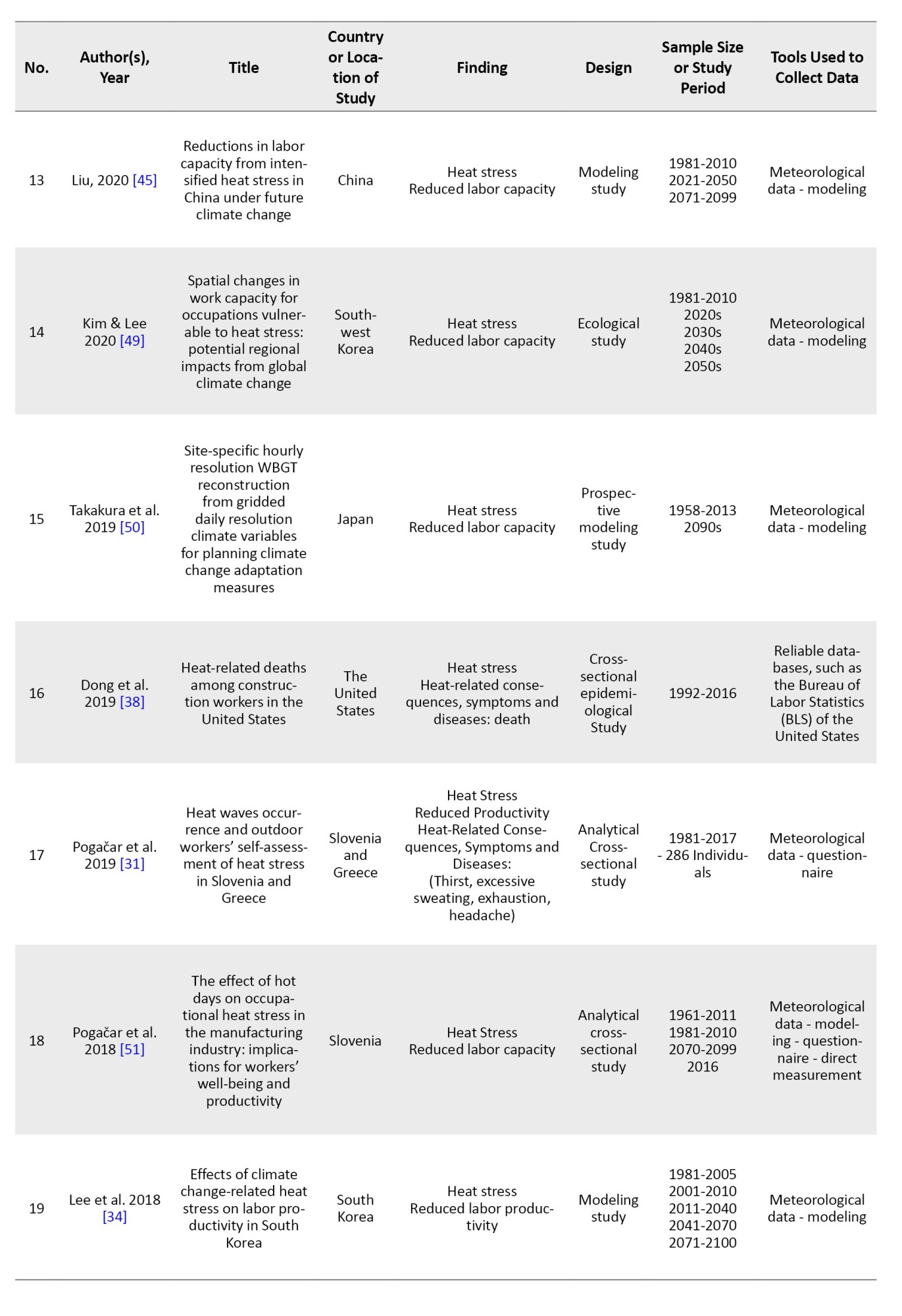
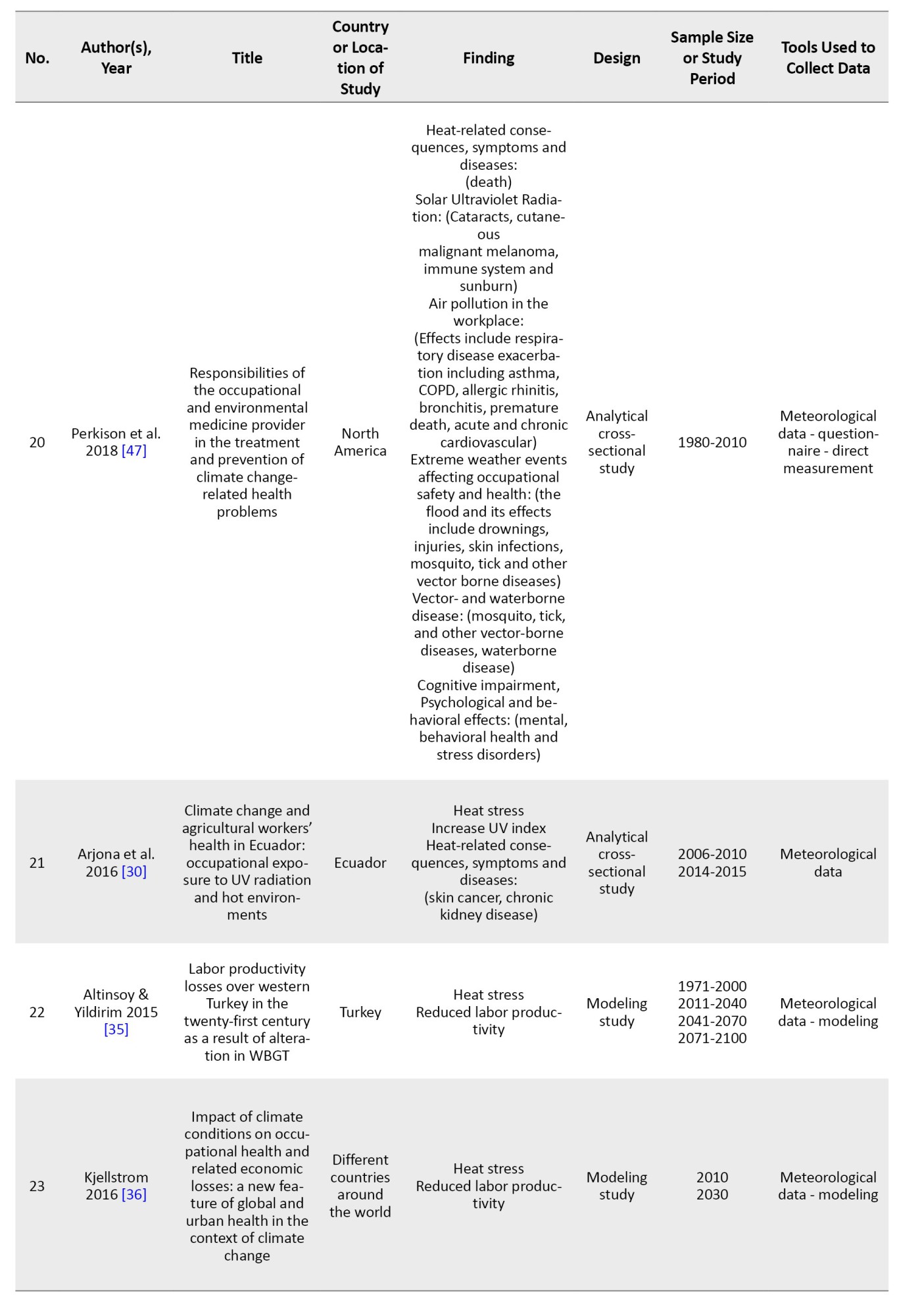
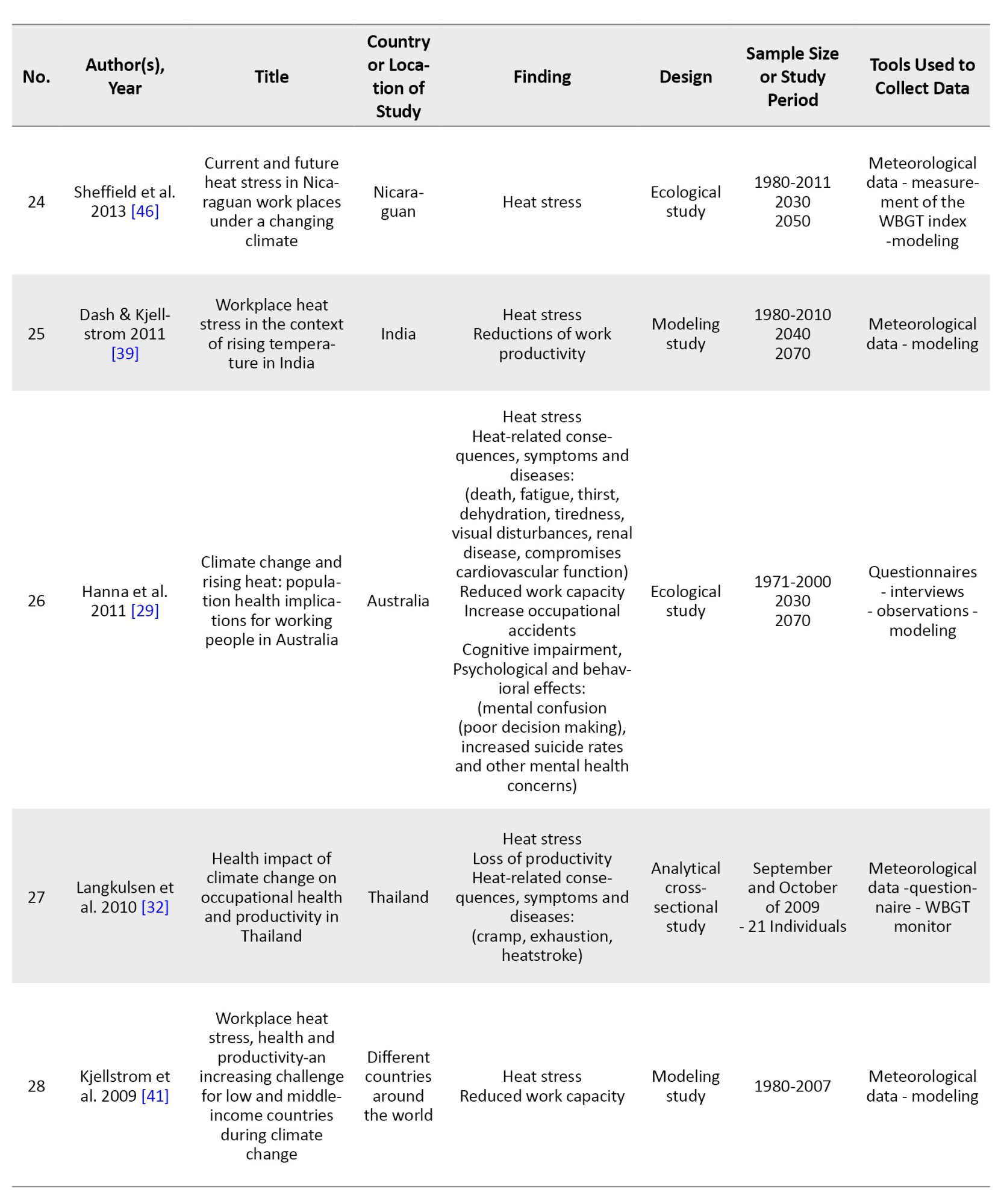
Appendix 1 presents a comprehensive overview of the findings from the selected articles.
According to Figure 1, 1402 articles were found in the initial search. Of these, 409 articles were removed due to duplication. Also, 156 articles were excluded due to a lack of inclusion criteria. By examining the titles and abstracts of the articles, 758 articles were removed because they were unrelated. In continuation, 51 articles were removed due to the non-availability of the full text, article type and irrelevant (after reading the full text of the article). Finally, 28 articles were reviewed and analyzed.
Occupational health is a field concerned with addressing health issues in the workplace and promoting the well-being of employed individuals. Its goals include ensuring, maintaining, and enhancing the physical, mental, and social health of workers, as well as preventing work-related illnesses and accidents [25]. Climate change can affect occupational health and safety from different aspects. This study examined the occupational health and safety risk factors linked to climate change.
Figure 2 shows the distribution of studies found (in percentage) across continents.
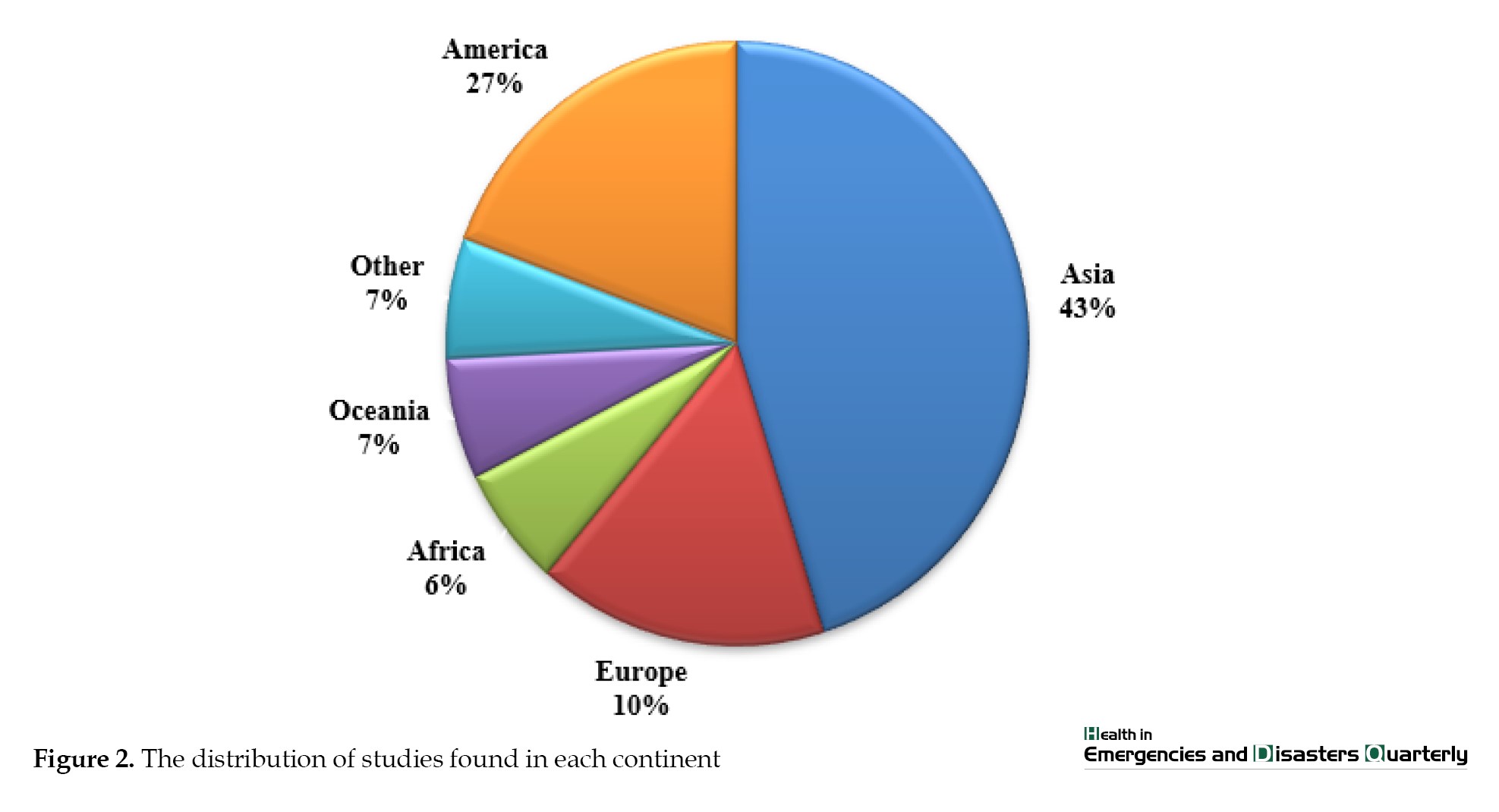 The highest and lowest number of studies were from Asia and Africa, with 43% and 6%, respectively. Also, 7% of studies were conducted in countries around the world.
Impact of climate change on heat stress of workers
Heat stress is one of the most significant impacts of climate change on occupational health and safety [26-41]. The results of Rahimi et al.’s study on Iran’s workplaces showed that during 2021-2100, workers’ exposure to heat stress increased 2.6 times in the studied provinces [42]. Research carried out in Iran indicates that climate change is causing a rise in air temperatures, affecting both daily highs and lows across multiple months of the year. The findings suggest that the Wet Bulb Globe Temperature (WBGT) will continue to rise until 2099, with a particular concern for Pakdasht City, Iran, where the index is expected to enter the danger zone, especially between 2080 and 2099 [43]. An additional study carried out in Iran forecasts an increase in air temperatures in the cities of Ahvaz, Dezful, and Dehdez in the coming years. The expected temperature rise is approximately 5 °C between the periods of 2021-2040 and 2041-2070 [44]. Liu et al.’s research in China indicates that the WBGT will rise by more than 3-5 °C by the century’s end [45]. Similarly, Sheffield et al.’s study in Nicaragua forecasts that excessively hot days will increase by over 15% by 2050 [46].
Impact of climate change on heat-related outcomes, symptoms, and illnesses in workers
Climate change leads to various consequences, symptoms, and diseases related to heat in workers. The most important consequence of climate change is heat-related death [29, 38, 47]. The findings of Dong et al. indicate that rising summer heat from 1997 to 2016 contributed to higher mortality rates due to heat. Heat-related symptoms caused by climate change in workers include [38] heat stroke [32, 48], exhaustion [26, 31, 32], dehydration [26, 33], headache [26, 31], fatigue [29], thirst [29, 31], collapse [26], cramps [32], heat stress [33], excessive sweating [31], and visual disturbances [29]. According to the results of various studies, heat-related diseases caused by climate change in workers include chronic kidney disease [30], skin cancer [30], and cardiovascular dysfunction [29].
Impact of climate change on work capacity and productivity
Various studies have shown that climate change negatively impacts employees’ work ability and productivity [26, 27, 29, 31, 39, 41, 49-51]. According to Hunt et al.’s study, the safe working duration (work capacity) will decline by over 50% in Port Macquarie and Griffith, and by 20%-50% in northern Australia during the period of 2041-2080 [33]. Additionally, Liu’s research indicates that WBGT will rise by 3-5 °C by the end of the century, leading to a reduction in labor capacity by more than 40% for both heavy and light work in major regions of southern and eastern China, which have large populations and advanced economies [45]. Altinsoy and Yildirim’s study anticipates a substantial decrease in labor productivity, particularly in the agricultural and construction sectors, in regions like Central Anatolia, Cyprus, and certain coastal areas of the Aegean and Eastern Mediterranean. It is projected that, between 2071 and 2100, some critical areas could experience a reduction of up to 52% in summer labor productivity [35]. According to Kruse et al.’s study in Australia, workers in some areas will lose more than 12% of their productivity by 2099 [28]. A study conducted in Thailand also revealed that climate change leads to a reduction in productivity ranging from 10% to 60% among workers in the construction and pottery industries [32]. A study by Lee et al. in South Korea revealed that, as a result of climate change, labor productivity is projected to decline across most regions starting from the middle of the 21st century (2041-2070). By the end of the century, productivity in strenuous outdoor jobs could drop by 26.1% compared to current levels [34]. It is projected that climate change and heat exposure will result in a loss of 15-20% of annual working hours in Southeast Asia, with this percentage expected to double by 2050 as global climate conditions continue to worsen [36].
Impact of climate change on ultraviolet (UV) radiation exposure
Rahimi et al. analyzed the effects of climate change on occupational health indicators in Iran. They concluded that workers’ exposure to UV radiation is expected to increase by 2.9 times during the period 2021–2100 [42]. Additionally, according to the results of the study by Arjona et al. and Perkison et al., climate change increases the exposure of workers to UV rays and causes effects such as cataracts, malignant skin melanoma, and sunburn, and affects the immune system [30, 47].
Impact of climate change on workplace air pollution
Air pollution in the workplace, driven by climate change, can exacerbate conditions affecting the respiratory system, such as asthma, chronic obstructive pulmonary disease, allergic rhinitis, and bronchitis. It may also lead to premature, acute, and chronic cardiovascular deaths among workers [47].
Impact of climate change on infectious and contagious diseases among workers
Climate change affects the biological risks (infectious and contagious diseases through vectors) in workers. Various studies indicate that rising global temperatures are elevating the chances of workers contracting mosquito-borne illnesses such as dengue, malaria, and Zika, as well as tick-related diseases like Lyme. Additionally, the impact of climate change extends to foodborne illnesses, waterborne diseases (such as typhoid), asthma (due to molds and pollen), the release of toxic plants and their effects (such as skin and lung irritation), and a higher likelihood of workers being exposed to pesticides [47]. Also, a 2022 study found that shifts in climate conditions influenced the spread of sooty bark disease and triggered sensitivity among woodworkers [52].
Impact of climate change on occupational accidents
According to the results of Ferrari et al.’s study in Brazil, occupational accidents show a direct correlation with weather variables [53]. Research conducted by Athauda et al. indicates that climate change can result in risks such as worker falls, scaffolding slippage, and lightning-related incidents among Sri Lankan workers [48]. Meanwhile, research carried out in Australia revealed that climate change is linked to disturbances in both the mental and physical performance of workers. Ineffective decision-making can heighten both individual and collective risks, which in turn may lead to a rise in workplace accidents during hot weather conditions [29].
Impact of climate change on cognitive, psychological, and behavioral disorders in workers
A study in North America also shows that climate change leads to mental, behavioral, and stress disorders in workers [47]. Other related effects include mental confusion (impaired decision-making), higher suicide rates, and various other mental health issues [29].
Impact of climate change on extreme weather events
A study conducted in the United States indicated that climate change contributes to the intensification of extreme weather events like flooding, thereby increasing workers’ exposure to various hazards such as drowning, physical injuries, skin infections, and diseases transmitted by vectors like mosquitoes and ticks [47].
Quality assessment
The findings of the quality assessment of explored articles based on the JBI method are presented in Table 2.
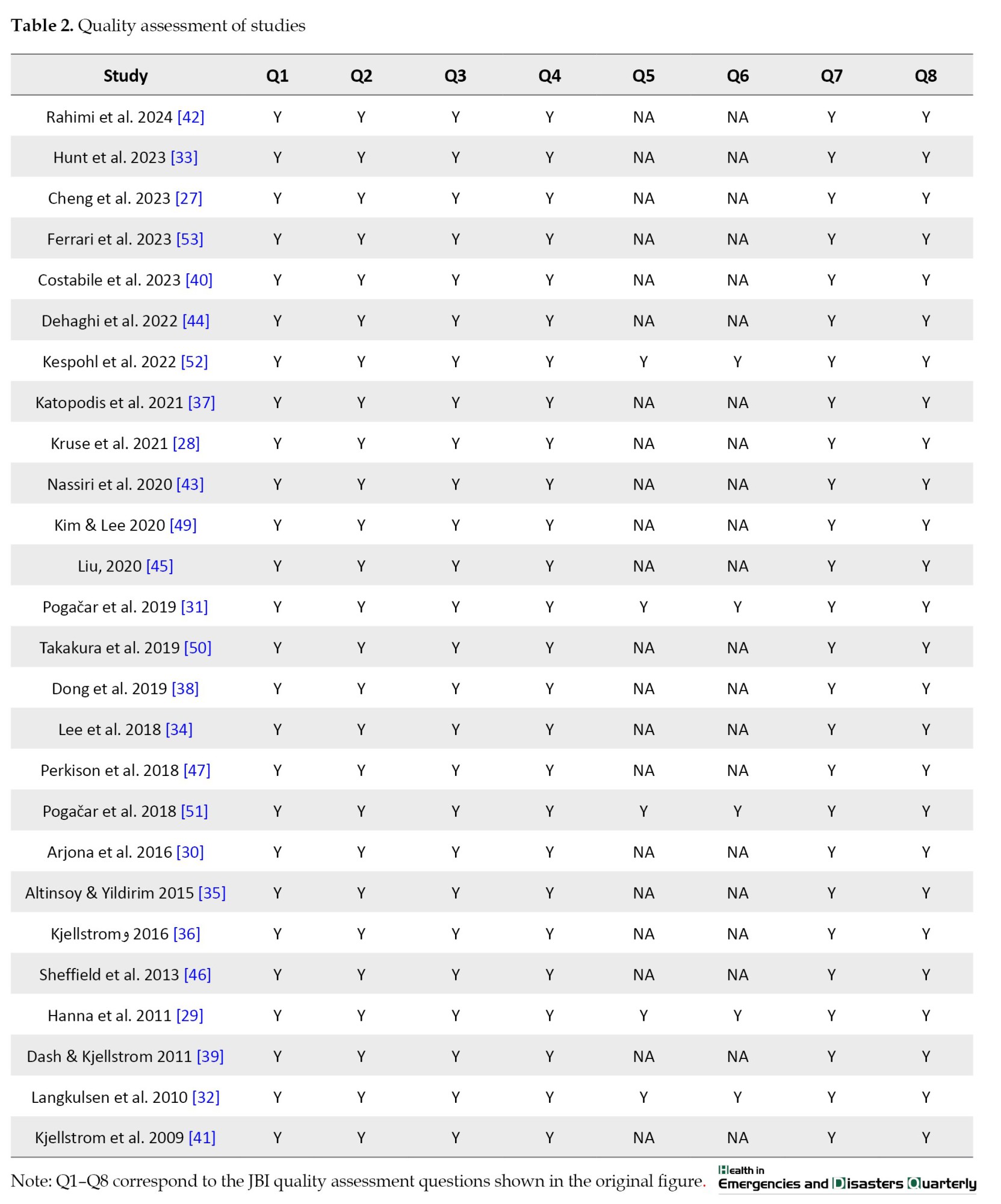
This quality assessment was conducted based on 8 questions related to the type of articles, and articles that met the desired criteria based on the designed questions were identified.
Discussion
Climate change, as a global phenomenon, has significant and far-reaching impacts on the well-being and safety of diverse groups of workers. The findings of this review, which examine how climate change influences work environments, indicate that it can directly and indirectly affect multiple aspects of workers’ health, safety, and overall working conditions across various sectors and settings. The risks to occupational health and safety associated with climate change and their possible impacts on both physical and mental [30, 35, 36, 53], productivity and work capacity [26-29, 32, 33, 35, 36], air pollution in the workplace [47], diseases related to heat stress and heat waves [26, 29, 31-33, 47], occupational accident rates [29, 48, 53], and the strategies for reducing risks that workers and their organizations implement are highlighted. However, a thorough and precise evaluation of the intricate risks and exposures linked to climate change is crucial for understanding its effects on workers’ health and safety at various levels, as well as for developing and applying effective approaches for adaptation, minimizing risks, and implementing control measures.
One of the key findings of this study is the increase in thermal stress caused by climate change, especially in hot and dry areas [43-46]. According to the results, workers’ exposure to heat stress is expected to rise significantly by 2100 [42]. This issue affects not only the physical health of workers but also various industrial and occupational aspects, potentially leading to decreased productivity and an increase in workplace accidents. However, it should be noted that these predictions and estimates are based on climate models and environmental conditions, and the actual results may differ due to local factors and management and engineering measures [26-29, 35, 45, 48, 53]. In addition to heat stress, climate change can increase the exposure of people, especially workers, to UV. The findings show that this increase can lead to the occurrence of skin diseases and other health problems, especially in jobs such as farming and ranching, site workers, and road construction, which are directly exposed. However, many industries and businesses may adopt protective measures, such as the use of sunscreens and protective coatings, to reduce UV risks. In addition, in many covered industries, these exposures are close to their minimum levels. Therefore, examining control measures and exposure conditions during assessments is a key point [30, 42, 47].
Another important aspect of this issue is air pollution in the workplace. The results of the review of scientific sources show that climate change can lead to an increase in air pollution and the aggravation of respiratory diseases in workers of different occupations. However, it should be noted that air pollution is a multifactorial factor that is influenced by several factors, including environmental pollution caused by work processes and vehicle movement in work environments. Therefore, attributing air pollution in workplaces to climate change should be highlighted based on evidence, accurate measurements, and modeling of pollution sources based on environmental and climatic conditions [47].
With these new conditions in place, it is important to take measures to maintain the productivity of various industries. Finally, the findings of this study underscore the importance of addressing the research topic, particularly in subtropical and tropical regions. However, to achieve more accurate and reliable results and evidence, more comprehensive research is needed. By considering various environmental and occupational factors, it is possible to provide effective solutions to address these challenges based on the results.
First, it is essential to develop new guidelines for the protection of workers who work outdoors [29]. Nations across the globe, regardless of their level of development, have enacted strategies to tackle the impacts of climate change within industrial settings and workplaces, placing special emphasis on those employed in outdoor occupations. Moreover, the implementation of educational initiatives is vital to raise awareness among both employers and employees about the potential for climate change to exacerbate occupational risks. The importance of this step lies in the fact that more than half of workers are still unaware of the potential effects and necessary actions during heatwaves [31]. As a next step, actions should be taken to control and reduce the effects of climate change. These measures may include reducing shift lengths and work intensity (for example, substituting heavy tasks with electric and mechanical equipment), creating and developing specialized work break programs, and ensuring easy and adequate access to drinking water to replace fluids lost through sweating [29, 37]. Approximately 70% of workers in Europe often arrive at work dehydrated and remain so by the end of their shifts [31]. It is worth noting that implementing additional control measures is necessary given the diversity of climate change effects on employee health.
Conclusion
Climate change presents considerable threats to the health and safety of workers in different contexts. Employees, particularly those in outdoor settings in tropical and subtropical areas, and also in economically developing nations, face heightened vulnerabilities to health and safety hazards. Moreover, as the implications of climate change continue to intensify, challenges related to employee health and safety are expected to escalate over time. Taking into account the results obtained in this study and the significance of the issue, the implementation of effective control measures by occupational health professionals, along with attention and support from policymakers, is essential. Furthermore, successful strategies for adapting to climate change should include cooperation between different government sectors, research institutions, various disciplines, and local communities.
Study limitations and future research
This study highlights the implications of climate change for workers’ well-being and safety on a global scale. However, the distinction between developing and developed economies has been overlooked. The focus of this study is on the impact of climate change on workers’ health and safety. Nonetheless, research that takes a multidisciplinary approach—encompassing disciplines like climatology, epidemiology, medicine, occupational health, and more—can provide valuable insights into the critical aspects and the complexity of the relationships between climate change and occupational health and safety. On the other hand, limited research has been conducted on vulnerable worker groups, including pregnant women, minors, older adults, individuals with disabilities, indigenous populations, and economically disadvantaged communities. Future research should prioritize longitudinal, evidence-based studies focusing on these populations.
Ethical Considerations
Compliance with ethical guidelines
This study was approved by the Research Ethics Committee of Shahid Beheshti University of Medical Sciences, Tehran, Iran (Code: IR.SBMU.PHNS.REC.1403.095).
Funding
This study was financially supported by Shahid Beheshti University of Medical Sciences, Tehran, Iran (Grant No.: 43010864).
Authors' contributions
Conceptualization and writing the original draft: Ali Salehi Sahlabadi and Abbas Shahsavani; Supervision: Ali Salehi Sahlabadi, Mohsen Poursadeghiyan and Abbas Shahsavani; Analysis: Sayed Vahid Esmaeili, Ali Alboghobeish and Ali Mohsenian; Review, Editing and Final Apprval: All authors.
Conflict of interest
The authors declared no conflict of interest.
Acknowledgments
The authors would like to express their gratitude to Shahid Beheshti University of Medical Sciences for their assistance in conducting this study.
References
Occupational health science contributes to the preservation of employee health and well-being and ultimately to community safety through the anticipation, recognition, assessment, and control of workplace health hazards [1]. One of the hazards impacting the health and safety of employees that has received less attention is climate change [2].
Atmospheric scientists often characterize climate change as a major and persistent transformation in climatic conditions, marked by shifts in weather patterns occurring across intervals varying between decades and millions of years. There is ongoing debate in certain political and business sectors suggesting that these changes are mainly driven by natural factors, such as biological processes, changes in solar energy levels, volcanic eruptions, and oceanic currents. Some argue that climate changes have occurred historically and do not result from human actions like fossil fuel combustion. However, the general agreement among scientists is that “the climate is undergoing change, and human activities are considered the primary cause of these shifts.” Although many aspects remain to be clarified, the extensive evidence supports the idea that the models and hypotheses regarding climate change have remained robust despite rigorous scientific scrutiny over recent decades. The release of carbon dioxide into the air starting from the onset of the industrial revolution has resulted in a significant rise in worldwide temperatures, shrinking polar ice, elevated sea levels, and increasingly severe extreme weather events [3].
Climate change is increasingly recognized as a paramount challenge facing multiple sectors globally, profoundly influencing environmental, societal structures, and financial systems [4]. The implications of climate change extend beyond ecological and atmospheric changes; it also impacts public health and occupational safety across various industries [5]. Exploring how climate change impacts workplace health and safety is essential, as the workforce contends with a rapidly changing environment marked by rising temperatures, extreme weather events, and shifting ecological conditions [6].
Recent scientific studies have suggested that climate-induced environmental changes significantly contribute to the deterioration of health and safety within workplaces, especially among employees working in open-air sectors like agriculture and building trades, as well as in emergency response [7]. Heat stress, for example, has increasingly become a concern, as rising global temperatures have led to a surge in heat-related health conditions like heat exhaustion and heatstroke [8]. The direct consequences of heat exposure include impaired physical and cognitive performance, which have been linked to a rise in workplace accidents [9].
In addition to heat stress, changing weather patterns have led to a rise in both the frequency and severity of natural disasters such as storms, severe flooding, and uncontrolled wildfires [10]. These events not only threaten the safety of workers directly engaged in disaster response but can also disrupt supply chains and create hazardous conditions for employees returning to work post-disaster. Employers must develop comprehensive preparedness plans that prioritize worker safety despite increasingly common and severe events [11, 12].
The changing climate has also implications for the prevalence and distribution of occupational diseases. For instance, workers may face heightened exposure to vector-borne illnesses under warmer conditions, necessitating updated safety protocols and targeted health education [13]. As the distribution of common vector species like mosquitoes grows, the likelihood of illnesses, such as Lyme disease and West Nile virus spreading into previously unaffected labor sectors also increases [14].
Furthermore, intense weather phenomena can lead to the release of hazardous materials and pollutants during disasters, posing additional risks to workers engaged in cleanup and recovery operations [15]. Cleanup crews following floods or chemical spills must contend with hazardous waste and potential biohazards, underscoring the necessity for rigorous health and safety guidelines and training specifically adapted to these changing circumstances [13].
Psychosocial stressors are another dimension of the OSHA (Occupational Safety and Health Administration] nexus. Workers facing emotional and psychological strain due to extreme weather events, unpredictable work conditions, or catastrophic disruptions may experience increased mental health difficulties [16]. This highlights the need for fostering supportive work environments that address mental health alongside traditional safety concerns despite climate-induced stressors [17].
The need for a proactive approach to Occupational Safety and Health (OSH) considering climate change cannot be overstated. Employers and decision-makers ought to allocate resources toward research that explores how climate-related elements affect the health and safety of workers [18, 19]. This includes creating training programs that equip workers with the knowledge and skills to mitigate risks associated with changing environmental conditions, whether by protecting against heat exposure, understanding new disease vectors, or responding to natural disasters effectively [13, 20].
Policies that integrate climate resilience into workplace safety regulations can also foster a safer working environment [21]. As organizations begin to recognize the link between climate change and OSH, a systemic approach can emerge that emphasizes preventive measures and adaptive practices that safeguard workers amid evolving climate challenges [22].
As highlighted in this review, responding to climate-related risks in the workplace is not only essential for protecting today’s workforce, but also pivotal for sustaining the long-term resilience of industries that may face heightened vulnerability in the future. In conclusion, tackling these complex challenges offers a vital opportunity to strengthen occupational safety by implementing evidence-based adaptations, establishing robust policy frameworks, and promoting targeted educational initiatives.
Due to the growing importance of climate change, the theme of the 2024 world day for safety and health at work has been chosen to focus on how climate change affects occupational health and safety. Accordingly, this study aims to conduct a comprehensive examination and evaluation of the impact of climate change on workers’ health and safety. This research classifies and analyzes these impacts based on their nature and type, drawing attention to the increasing vulnerability of workers to various climate-related risks. This study aims to offer crucial insights for decision-makers and those involved in occupational health, helping them take well-informed and effective actions to address the challenges posed by climate change exposure in the workplace.
Materials and Methods
The protocol for this study was developed and presented in accordance with the standards set by the PRISMA (preferred reporting items for systematic reviews and meta-analyses) guidelines for systematic reviews and meta-analyses [23]. First, articles were searched in reliable databases based on keywords. After selecting the articles and coding them, the required data were extracted and analyzed based on the main question of this research. The steps of this study are described.
Data collection
For the purpose of this research, articles were searched in PubMed, Scopus, ScienceDirect, Cochrane, Embase, Web of Science, and Google Scholar on March 31, 2024. For this purpose, two researchers (Ali Mohsenian and Sayed Vahid Esmaeili) explored scientific databases using specified keywords. The database search by two researchers ensured the accuracy, systematicity, and reproducibility of the method.
Valid scientific studies were reviewed based on the inclusion and exclusion criteria, and duplicate and irrelevant articles were excluded from the study. A senior investigator (Ali Salehi Sahlabadi) resolved any conflicts or disagreements. The search strategy, including keywords and database selection, was developed in consultation with professors and members of the research team. The search strategy and keywords in the cited databases is described in Table 1.
The inclusion criteria were as follows: original, experimental, and laboratory articles written in English.
The exclusion criteria were as follows: articles with unrelated topics; non-research articles, including editorials, authors’ notes, and letters to the editor; types of studies include books and review articles.
The articles identified based on the database searches were entered into Endnote version 8.1 software. Figure 1 depicts the process of article selection.
Two researchers (Ali Mohsenian and Sayed Vahid Esmaeili) independently carried out the quality evaluation of the included articles. Both researchers reviewed the articles from various aspects of methodology, accuracy of results, and transparency of reporting. In cases of disagreement, they reached an agreement through discussion and exchange of opinions so that articles of appropriate scientific quality were included in the analysis and articles with lower standards were discarded. This procedure was conducted to verify the accuracy and validity of the data included in the research and to ensure the overall quality of the final study. The methodological rigor and potential biases in the selected studies were evaluated using the JBI critical appraisal tool [24].
Data analysis
The study followed the guidelines set out in the PRISMA checklist, focusing solely on articles that explored the relationship between climate change and occupational health and safety. A systematic search of databases was carried out using relevant keywords, and only those articles that met the inclusion criteria were selected. The selected studies were evaluated through a descriptive analysis. The results and discussion sections of each article were carefully reviewed, and the necessary data and findings were summarized.
Results
Appendix 1 presents a comprehensive overview of the findings from the selected articles.
According to Figure 1, 1402 articles were found in the initial search. Of these, 409 articles were removed due to duplication. Also, 156 articles were excluded due to a lack of inclusion criteria. By examining the titles and abstracts of the articles, 758 articles were removed because they were unrelated. In continuation, 51 articles were removed due to the non-availability of the full text, article type and irrelevant (after reading the full text of the article). Finally, 28 articles were reviewed and analyzed.
Occupational health is a field concerned with addressing health issues in the workplace and promoting the well-being of employed individuals. Its goals include ensuring, maintaining, and enhancing the physical, mental, and social health of workers, as well as preventing work-related illnesses and accidents [25]. Climate change can affect occupational health and safety from different aspects. This study examined the occupational health and safety risk factors linked to climate change.
Figure 2 shows the distribution of studies found (in percentage) across continents.
Impact of climate change on heat stress of workers
Heat stress is one of the most significant impacts of climate change on occupational health and safety [26-41]. The results of Rahimi et al.’s study on Iran’s workplaces showed that during 2021-2100, workers’ exposure to heat stress increased 2.6 times in the studied provinces [42]. Research carried out in Iran indicates that climate change is causing a rise in air temperatures, affecting both daily highs and lows across multiple months of the year. The findings suggest that the Wet Bulb Globe Temperature (WBGT) will continue to rise until 2099, with a particular concern for Pakdasht City, Iran, where the index is expected to enter the danger zone, especially between 2080 and 2099 [43]. An additional study carried out in Iran forecasts an increase in air temperatures in the cities of Ahvaz, Dezful, and Dehdez in the coming years. The expected temperature rise is approximately 5 °C between the periods of 2021-2040 and 2041-2070 [44]. Liu et al.’s research in China indicates that the WBGT will rise by more than 3-5 °C by the century’s end [45]. Similarly, Sheffield et al.’s study in Nicaragua forecasts that excessively hot days will increase by over 15% by 2050 [46].
Impact of climate change on heat-related outcomes, symptoms, and illnesses in workers
Climate change leads to various consequences, symptoms, and diseases related to heat in workers. The most important consequence of climate change is heat-related death [29, 38, 47]. The findings of Dong et al. indicate that rising summer heat from 1997 to 2016 contributed to higher mortality rates due to heat. Heat-related symptoms caused by climate change in workers include [38] heat stroke [32, 48], exhaustion [26, 31, 32], dehydration [26, 33], headache [26, 31], fatigue [29], thirst [29, 31], collapse [26], cramps [32], heat stress [33], excessive sweating [31], and visual disturbances [29]. According to the results of various studies, heat-related diseases caused by climate change in workers include chronic kidney disease [30], skin cancer [30], and cardiovascular dysfunction [29].
Impact of climate change on work capacity and productivity
Various studies have shown that climate change negatively impacts employees’ work ability and productivity [26, 27, 29, 31, 39, 41, 49-51]. According to Hunt et al.’s study, the safe working duration (work capacity) will decline by over 50% in Port Macquarie and Griffith, and by 20%-50% in northern Australia during the period of 2041-2080 [33]. Additionally, Liu’s research indicates that WBGT will rise by 3-5 °C by the end of the century, leading to a reduction in labor capacity by more than 40% for both heavy and light work in major regions of southern and eastern China, which have large populations and advanced economies [45]. Altinsoy and Yildirim’s study anticipates a substantial decrease in labor productivity, particularly in the agricultural and construction sectors, in regions like Central Anatolia, Cyprus, and certain coastal areas of the Aegean and Eastern Mediterranean. It is projected that, between 2071 and 2100, some critical areas could experience a reduction of up to 52% in summer labor productivity [35]. According to Kruse et al.’s study in Australia, workers in some areas will lose more than 12% of their productivity by 2099 [28]. A study conducted in Thailand also revealed that climate change leads to a reduction in productivity ranging from 10% to 60% among workers in the construction and pottery industries [32]. A study by Lee et al. in South Korea revealed that, as a result of climate change, labor productivity is projected to decline across most regions starting from the middle of the 21st century (2041-2070). By the end of the century, productivity in strenuous outdoor jobs could drop by 26.1% compared to current levels [34]. It is projected that climate change and heat exposure will result in a loss of 15-20% of annual working hours in Southeast Asia, with this percentage expected to double by 2050 as global climate conditions continue to worsen [36].
Impact of climate change on ultraviolet (UV) radiation exposure
Rahimi et al. analyzed the effects of climate change on occupational health indicators in Iran. They concluded that workers’ exposure to UV radiation is expected to increase by 2.9 times during the period 2021–2100 [42]. Additionally, according to the results of the study by Arjona et al. and Perkison et al., climate change increases the exposure of workers to UV rays and causes effects such as cataracts, malignant skin melanoma, and sunburn, and affects the immune system [30, 47].
Impact of climate change on workplace air pollution
Air pollution in the workplace, driven by climate change, can exacerbate conditions affecting the respiratory system, such as asthma, chronic obstructive pulmonary disease, allergic rhinitis, and bronchitis. It may also lead to premature, acute, and chronic cardiovascular deaths among workers [47].
Impact of climate change on infectious and contagious diseases among workers
Climate change affects the biological risks (infectious and contagious diseases through vectors) in workers. Various studies indicate that rising global temperatures are elevating the chances of workers contracting mosquito-borne illnesses such as dengue, malaria, and Zika, as well as tick-related diseases like Lyme. Additionally, the impact of climate change extends to foodborne illnesses, waterborne diseases (such as typhoid), asthma (due to molds and pollen), the release of toxic plants and their effects (such as skin and lung irritation), and a higher likelihood of workers being exposed to pesticides [47]. Also, a 2022 study found that shifts in climate conditions influenced the spread of sooty bark disease and triggered sensitivity among woodworkers [52].
Impact of climate change on occupational accidents
According to the results of Ferrari et al.’s study in Brazil, occupational accidents show a direct correlation with weather variables [53]. Research conducted by Athauda et al. indicates that climate change can result in risks such as worker falls, scaffolding slippage, and lightning-related incidents among Sri Lankan workers [48]. Meanwhile, research carried out in Australia revealed that climate change is linked to disturbances in both the mental and physical performance of workers. Ineffective decision-making can heighten both individual and collective risks, which in turn may lead to a rise in workplace accidents during hot weather conditions [29].
Impact of climate change on cognitive, psychological, and behavioral disorders in workers
A study in North America also shows that climate change leads to mental, behavioral, and stress disorders in workers [47]. Other related effects include mental confusion (impaired decision-making), higher suicide rates, and various other mental health issues [29].
Impact of climate change on extreme weather events
A study conducted in the United States indicated that climate change contributes to the intensification of extreme weather events like flooding, thereby increasing workers’ exposure to various hazards such as drowning, physical injuries, skin infections, and diseases transmitted by vectors like mosquitoes and ticks [47].
Quality assessment
The findings of the quality assessment of explored articles based on the JBI method are presented in Table 2.
This quality assessment was conducted based on 8 questions related to the type of articles, and articles that met the desired criteria based on the designed questions were identified.
Discussion
Climate change, as a global phenomenon, has significant and far-reaching impacts on the well-being and safety of diverse groups of workers. The findings of this review, which examine how climate change influences work environments, indicate that it can directly and indirectly affect multiple aspects of workers’ health, safety, and overall working conditions across various sectors and settings. The risks to occupational health and safety associated with climate change and their possible impacts on both physical and mental [30, 35, 36, 53], productivity and work capacity [26-29, 32, 33, 35, 36], air pollution in the workplace [47], diseases related to heat stress and heat waves [26, 29, 31-33, 47], occupational accident rates [29, 48, 53], and the strategies for reducing risks that workers and their organizations implement are highlighted. However, a thorough and precise evaluation of the intricate risks and exposures linked to climate change is crucial for understanding its effects on workers’ health and safety at various levels, as well as for developing and applying effective approaches for adaptation, minimizing risks, and implementing control measures.
One of the key findings of this study is the increase in thermal stress caused by climate change, especially in hot and dry areas [43-46]. According to the results, workers’ exposure to heat stress is expected to rise significantly by 2100 [42]. This issue affects not only the physical health of workers but also various industrial and occupational aspects, potentially leading to decreased productivity and an increase in workplace accidents. However, it should be noted that these predictions and estimates are based on climate models and environmental conditions, and the actual results may differ due to local factors and management and engineering measures [26-29, 35, 45, 48, 53]. In addition to heat stress, climate change can increase the exposure of people, especially workers, to UV. The findings show that this increase can lead to the occurrence of skin diseases and other health problems, especially in jobs such as farming and ranching, site workers, and road construction, which are directly exposed. However, many industries and businesses may adopt protective measures, such as the use of sunscreens and protective coatings, to reduce UV risks. In addition, in many covered industries, these exposures are close to their minimum levels. Therefore, examining control measures and exposure conditions during assessments is a key point [30, 42, 47].
Another important aspect of this issue is air pollution in the workplace. The results of the review of scientific sources show that climate change can lead to an increase in air pollution and the aggravation of respiratory diseases in workers of different occupations. However, it should be noted that air pollution is a multifactorial factor that is influenced by several factors, including environmental pollution caused by work processes and vehicle movement in work environments. Therefore, attributing air pollution in workplaces to climate change should be highlighted based on evidence, accurate measurements, and modeling of pollution sources based on environmental and climatic conditions [47].
With these new conditions in place, it is important to take measures to maintain the productivity of various industries. Finally, the findings of this study underscore the importance of addressing the research topic, particularly in subtropical and tropical regions. However, to achieve more accurate and reliable results and evidence, more comprehensive research is needed. By considering various environmental and occupational factors, it is possible to provide effective solutions to address these challenges based on the results.
First, it is essential to develop new guidelines for the protection of workers who work outdoors [29]. Nations across the globe, regardless of their level of development, have enacted strategies to tackle the impacts of climate change within industrial settings and workplaces, placing special emphasis on those employed in outdoor occupations. Moreover, the implementation of educational initiatives is vital to raise awareness among both employers and employees about the potential for climate change to exacerbate occupational risks. The importance of this step lies in the fact that more than half of workers are still unaware of the potential effects and necessary actions during heatwaves [31]. As a next step, actions should be taken to control and reduce the effects of climate change. These measures may include reducing shift lengths and work intensity (for example, substituting heavy tasks with electric and mechanical equipment), creating and developing specialized work break programs, and ensuring easy and adequate access to drinking water to replace fluids lost through sweating [29, 37]. Approximately 70% of workers in Europe often arrive at work dehydrated and remain so by the end of their shifts [31]. It is worth noting that implementing additional control measures is necessary given the diversity of climate change effects on employee health.
Conclusion
Climate change presents considerable threats to the health and safety of workers in different contexts. Employees, particularly those in outdoor settings in tropical and subtropical areas, and also in economically developing nations, face heightened vulnerabilities to health and safety hazards. Moreover, as the implications of climate change continue to intensify, challenges related to employee health and safety are expected to escalate over time. Taking into account the results obtained in this study and the significance of the issue, the implementation of effective control measures by occupational health professionals, along with attention and support from policymakers, is essential. Furthermore, successful strategies for adapting to climate change should include cooperation between different government sectors, research institutions, various disciplines, and local communities.
Study limitations and future research
This study highlights the implications of climate change for workers’ well-being and safety on a global scale. However, the distinction between developing and developed economies has been overlooked. The focus of this study is on the impact of climate change on workers’ health and safety. Nonetheless, research that takes a multidisciplinary approach—encompassing disciplines like climatology, epidemiology, medicine, occupational health, and more—can provide valuable insights into the critical aspects and the complexity of the relationships between climate change and occupational health and safety. On the other hand, limited research has been conducted on vulnerable worker groups, including pregnant women, minors, older adults, individuals with disabilities, indigenous populations, and economically disadvantaged communities. Future research should prioritize longitudinal, evidence-based studies focusing on these populations.
Ethical Considerations
Compliance with ethical guidelines
This study was approved by the Research Ethics Committee of Shahid Beheshti University of Medical Sciences, Tehran, Iran (Code: IR.SBMU.PHNS.REC.1403.095).
Funding
This study was financially supported by Shahid Beheshti University of Medical Sciences, Tehran, Iran (Grant No.: 43010864).
Authors' contributions
Conceptualization and writing the original draft: Ali Salehi Sahlabadi and Abbas Shahsavani; Supervision: Ali Salehi Sahlabadi, Mohsen Poursadeghiyan and Abbas Shahsavani; Analysis: Sayed Vahid Esmaeili, Ali Alboghobeish and Ali Mohsenian; Review, Editing and Final Apprval: All authors.
Conflict of interest
The authors declared no conflict of interest.
Acknowledgments
The authors would like to express their gratitude to Shahid Beheshti University of Medical Sciences for their assistance in conducting this study.
References
- Esmali R, Akhlaghi Pirposhteh E, Askari A, Poursadeghiyan M. An overview of the applications and conditions for using artificial intelligence and digitalization in occupational health and safety in the workplace. Journal of Health and Safety at Work. 2025; 15(3):724-46. [DOI:10.18502/jhsw.v15i3.21422]
- Akhlaghi Pirposhteh E, Mishmast M, Miri A, Babaei Pouya A, Panahian A, Khammar A, et al. Biocentric and life course perspectives on risk perception of covid-19 and climate change: A narrative review. Shahroud Journal of Medical Sciences 2026; 12(1):42-6. [DOI:10.22100/ijhs.v12i1.1314]
- Amanat N, Valinejadi A, Mehrifar Y, Poursadeqiyan M. A systematic literature review protocol on climate change perception models. Journal of Advances in Environmental Health Research. 2022; 10(3):197-204. [DOI:10.32598/JAEHR.10.3.1254]
- Porsadeqiyan M, Askari A, Pirposhteh EA, Sahlabadi AS, Amanat N. Social inequalities of climate change with a regional and global approach. Health in Emergencies and Disasters Quarterly. 2023; 8(4):289-92. [DOI:10.32598/hdq.8.4.406.3]
- Esmaeili SV, Alboghobeish A, Salehi Sahlabadi A, Poursadeghiyan M. Impact of climate change on public health in iran: A systematic review. Health in Emergencies and Disasters Quarterly. 2024; 10(1):3-20. [DOI:10.32598/hdq.10.1.374.1]
- Ferrari GN, Leal GCL, Thom de Souza RC, Galdamez EVC. Impact of climate change on occupational health and safety: A review of methodological approaches. Work (Reading, Mass). 2023; 74(2):485-99. [DOI:10.3233/WOR-211303] [PMID]
- Moda HM, Filho WL, Minhas A. Impacts of climate change on outdoor workers and their safety: Some research priorities. International Journal of Environmental Research and Public Health. 2019; 16(18):3458. [DOI:10.3390/ijerph16183458] [PMID]
- Mazhin SA, Khankeh H, Farrokhi M, Aminizadeh M, Poursadeqiyan M. Migration health crisis associated with climate change: A systematic review. Journal of Education and Health Promotion. 2020; 9:97. [DOI:10.4103/jehp.jehp_4_20] [PMID]
- Kjellstrom T, Briggs D, Freyberg C, Lemke B, Otto M, Hyatt O. Heat, human performance, and occupational health: a key issue for the assessment of global climate change impacts. Annual Review of Public Health. 2016; 37:97-112. [DOI:10.1146/annurev-publhealth-032315-021740] [PMID]
- Akhlaghi Pirposhteh E, Ghasemian MH, Hosseinpour R, Ahmadinezhad P, Hamidzadeh Arbabi Y, Aminizadeh M, et al. A content analysis of people’s perception of climate change and its relationship with flooding in parts of northwestern iran. Health in Emergencies & Disasters Quarterly. 2026; 11(4). [DOI:10.32598/hdq.2026.406.5]
- Puri A, Elkharboutly M, Ali NA. Identifying major challenges in managing post-disaster reconstruction projects: A critical analysis. International Journal of Disaster Risk Reduction. 2024; 107:104491. [DOI:10.1016/j.ijdrr.2024.104491]
- Benevolenza MA, DeRigne L. The impact of climate change and natural disasters on vulnerable populations: A systematic review of literature. Journal of Human Behavior in the Social Environment. 2019; 29(2):266-81. [DOI:10.1080/10911359.2018.1527739]
- Schulte PA, Jacklitsch BL, Bhattacharya A, Chun H, Edwards N, Elliott KC, et al. Updated assessment of occupational safety and health hazards of climate change. Journal of Occupational and Environmental Hygiene. 2023; 20(5-6):183-206. [DOI:10.1080/15459624.2023.2205468] [PMID]
- Austin SE, Biesbroek R, Berrang-Ford L, Ford JD, Parker S, Fleury MD. Public health adaptation to climate change in OECD countries. International Journal of Environmental Research and Public Health. 2016; 13(9):889. [DOI:10.3390/ijerph13090889] [PMID]
- Barwal A, Bindal S, Gupta AK. Disaster preparedness and emergency response for air pollution and related health extremes. In: Saxena P, Shukla A, Gupta AK, editors. Extremes in Atmospheric Processes and Phenomenon: Assessment, Impacts and Mitigation. Disaster Resilience and Green Growth. Singapore: Springer; 2022. [DOI:10.1007/978-981-16-7727-4_14]
- Brooks SK, Greenberg N. Climate change effects on mental health: Are there workplace implications? Occupational Medicine. 2023; 73(3):133-7. [DOI:10.1093/occmed/kqac100] [PMID]
- Lawrance EL, Thompson R, Newberry Le Vay J, Page L, Jennings N. The impact of climate change on mental health and emotional wellbeing: A narrative review of current evidence, and its implications. International Review of Psychiatry. 2022; 34(5):443-98. [DOI:10.1080/09540261.2022.2128725] [PMID]
- Kuok Ho DT. The effects of climate change on occupational safety and health. Global Journal of Civil and Environmental Engineering. 2021; 3:1-10. [DOI:10.36811/gjcee.2021.110008]
- Tappura S, Lindholm M. Occupational safety and health affected by climate change: Future challenges and research agenda. In: Ahram T, Karwowski W, Di Bucchianico P, Taiar R, Casarotto L, Costa P, editors. Intelligent human systems integration (IHSI 2022): Integrating people and intelligent systems. New York: Accelerating Open Access Science in Human Factors Engineering and Human-Centered Computing; 2022. [DOI:10.54941/ahfe100997]
- Schulte PA, Bhattacharya A, Butler CR, Chun HK, Jacklitsch B, Jacobs T, et al. Advancing the framework for considering the effects of climate change on worker safety and health. Journal of Occupational and Environmental Hygiene. 2016; 13(11):847-65. [DOI:10.1080/15459624.2016.1179388] [PMID]
- Corvalan C, Villalobos Prats E, Sena A, Campbell-Lendrum D, Karliner J, Risso A, et al. Towards climate resilient and environmentally sustainable health care facilities. International Journal of Environmental Research and Public Health. 2020; 17(23):8849. [DOI:10.3390/ijerph17238849] [PMID]
- Amoadu M, Ansah EW, Sarfo JO. Influence of psychosocial safety climate on occupational health and safety: A scoping review. BMC Public Health. 2023; 23(1):1344. [DOI:10.1186/s12889-023-16246-x] [PMID]
- Liberati A, Altman DG, Tetzlaff J, Mulrow C, Gøtzsche PC, Ioannidis JPA, et al. The PRISMA statement for reporting systematic reviews and meta-analyses of studies that evaluate health care interventions: Explanation and elaboration. Annals of Internal Medicine. 2009; 151(4):W65-94.[DOI:10.7326/0003-4819-151-4-200908180-00136] [PMID]
- Moola S, Munn Z, Tufunaru C, Aromataris E, Sears K, Sfetc R, et al. Systematic reviews of etiology and risk. JBI Manual for Evidence Synthesis; 2020. [DOI:10.46658/jbimes-20-08]
- Jain A, Leka S, Zwetsloot GIJM. Work, Health, Safety and Well-Being: Current state of the art. In: Managing Health, safety and well-being. Aligning perspectives on health, safety and well-being. Dordrecht Springer; 2018. [DOI:10.1007/978-94-024-1261-1_1]
- Sverdlik A, Kothiwal K, Kadungure A, Agarwal S, Machemedze R, Verma S, et al. Understanding the interplay of occupational, public health, and climate-related risks for informal workers: A new framework with findings from Zimbabwe and India. Social Science & Medicine. 2024; 348:116750.0 [DOI:10.1016/j.socscimed.2024.116750] [PMID]
- Cheng L, Gu K, Zhao L, Wang H, Ji JS, Liu Z, et al. Projecting future labor losses due to heat stress in China under climate change scenarios. Science Bulletin. 2023; 68(22):2827-37. [DOI:10.1016/j.scib.2023.09.044] [PMID]
- Kruse S, Ezenwanne O, Otto M, Kjellstrom T, Remington P, Lemke B, et al. Occupational health impacts of climate change across different climate zones and elevations in sub-Saharan East Africa. African Journal of Environmental Science and Technology. 2021; 15(6):243-51. [DOI:10.5897/AJEST2021.2976]
- Hanna EG, Kjellstrom T, Bennett C, Dear K. Climate change and rising heat: Population health implications for working people in Australia. Asia Pacific Journal of Public Health. 2011; 23(2_suppl):14S-26S. [DOI:10.1177/1010539510391457] [PMID]
- Harari Arjona R, Piñeiros J, Ayabaca M, Harari Freire F. Climate change and agricultural workers’ health in Ecuador: Occupational exposure to UV radiation and hot environments. Annali dell’Istituto Superiore di Sanità. 2016; 52(3):368-73. [DOI:10.4415/ann_16_03_08] [PMID]
- Pogačar T, Žnidaršič Z, Kajfež Bogataj L, Flouris AD, Poulianiti K, Črepinšek Z. Heat waves occurrence and outdoor workers’ self-assessment of heat stress in Slovenia and Greece. International Journal of Environmental Research and Public Health. 2019; 16(4):597. [DOI:10.3390/ijerph16040597] [PMID]
- Langkulsen U, Vichit-Vadakan N, Taptagaporn S. Health impact of climate change on occupational health and productivity in Thailand. Global Health Action. 2010; 3(1):5607. [DOI:10.3402/gha.v3i0.5607] [PMID]
- Hunt AP, Brearley M, Hall A, Pope R. Climate change effects on the predicted heat strain and labour capacity of outdoor workers in Australia. International Journal of Environmental Research and Public Health. 2023; 20(9):5675.[DOI:10.3390/ijerph20095675] [PMID]
- Lee SW, Lee K, Lim B. Effects of climate change-related heat stress on labor productivity in South Korea. International Journal of Biometeorology. 2018; 62(12):2119-29. [DOI:10.1007/s00484-018-1611-6] [PMID]
- Altinsoy H, Yildirim HA. Labor productivity losses over western Turkey in the twenty-first century as a result of alteration in WBGT. International Journal of Biometeorology. 2015; 59(4):463-71. [DOI:10.1007/s00484-014-0863-z] [PMID]
- Kjellstrom T. Impact of climate conditions on occupational health and related economic losses: A new feature of global and urban health in the context of climate change. Asia Pacific Journal of Public Health. 2016; 28(2_suppl):28S-37S.[DOI:10.1177/1010539514568711] [PMID]
- Katopodis T, Mouzakitis Y, Adamides ED. The impact of climate change to occupational safety and health: Future projections of thermal discomfort (humidex index) in the West Attica region. IOP Conference Series Earth and Environmental Science. 2021; 899(1):012024. [DOI:10.1088/1755-1315/899/1/012024]
- Dong XS, West GH, Holloway‐Beth A, Wang X, Sokas RK. Heat‐related deaths among construction workers in the United States. American Journal of Industrial Medicine. 2019; 62(12):1047-57. [DOI:10.1002/ajim.23024] [PMID]
- Dash SK, Kjellstrom T. Workplace heat stress in the context of rising temperature in India. Current Science. 2011; 101(4):496-503. [Link]
- Costabile DG, Fuccillo V, De Marco C. The effects of climate change on the health and safety of pasta industry workers: assessment of heat stress using wbgt index. Journal of Advanced Health Care. 2023; 5(4). [Link]
- Kjellstrom T, Holmer I, Lemke B. Workplace heat stress, health and productivity-an increasing challenge for low and middle-income countries during climate change. Global Health Action. 2009; 2(1):2047. [DOI:10.3402/gha.v2i0.2047] [PMID]
- Rahimi M, Fatemi F, Rezaei Mohammdi Z. Impacts of climate change on occupational health indicators in the three climatic regions of Iran. International Journal of Environmental Health Research. 2024; 34(1):535-46. [DOI:10.1080/09603123.2022.2158179] [PMID]
- Nassiri P, Monazzam MR, Golbabaei F, Farhang Dehghan S, Shamsipour A, Ghanadzadeh MJ, et al. Modeling heat stress changes based on wet-bulb globe temperature in respect to global warming. Journal of Environmental Health Science and Engineering. 2020; 18(2):441-50. [DOI:10.1007/s40201-020-00472-1] [PMID]
- Dehaghi BF, Amini M, Rangkooy HA, Ghavamabadi LI. Estimation of farmworkers’ exposure to heat extremes in upcoming years in the southern part of Iran. Air Quality, Atmosphere & Health. 2022; 15(8):1489-95. [DOI:10.1007/s11869-022-01194-z]
- Liu X. Reductions in labor capacity from intensified heat stress in China under future climate change. International Journal of Environmental Research and Public Health. 2020; 17(4):1278. [DOI:10.3390/ijerph17041278] [PMID]
- Sheffield PE, Herrera JG, Lemke B, Kjellstrom T, Romero LE. Current and future heat stress in Nicaraguan work places under a changing climate. Industrial Health. 2013; 51(1):123-7. [DOI:10.2486/indhealth.2012-0156] [PMID]
- Perkison WB, Kearney GD, Saberi P, Guidotti T, McCarthy R, Cook-Shimanek M, et al. Responsibilities of the occupational and environmental medicine provider in the treatment and prevention of climate change-related health problems. Journal of Occupational and Environmental Medicine. 2018; 60(2):e76-e81.[DOI:10.1097/JOM.0000000000001251] [PMID]
- Athauda RS, Jayakodi S, Asmone AS, Conejos S. Climate Change impacts on occupational health and safety of façade maintenance workers: A qualitative study. Sustainability. 2023; 15(10):8008. [DOI:10.3390/su15108008]
- Kim D, Lee J. Spatial changes in work capacity for occupations vulnerable to heat stress: Potential regional impacts from global climate change. Safety and Health at Work. 2020; 11(1):1-9. [DOI:10.1016/j.shaw.2019.10.004] [PMID]
- Takakura J, Fujimori S, Takahashi K, Hijioka Y, Honda Y. Site-specific hourly resolution wet bulb globe temperature reconstruction from gridded daily resolution climate variables for planning climate change adaptation measures. International Journal of Biometeorology. 2019; 63(6):787-800. [DOI:10.1007/s00484-019-01692-3] [PMID]
- Pogačar T, Casanueva A, Kozjek K, Ciuha U, Mekjavić IB, Kajfež Bogataj L, et al. The effect of hot days on occupational heat stress in the manufacturing industry: Implications for workers’ well-being and productivity. International Journal of Biometeorology. 2018; 62(7):1251-64. [DOI:10.1007/s00484-018-1530-6] [PMID]
- Kespohl S, Riebesehl J, Grüner J, Raulf M. Impact of climate change on wood and woodworkers-Cryptostroma corticale (sooty bark disease): A risk factor for trees and exposed employees. Frontiers in Public Health. 2022; 10:973686. [DOI:10.3389/fpubh.2022.973686] [PMID]
- Ferrari GN, Ossani PC, de Souza RCT, Leal GCL, Galdamez EVC. Impact of rising temperatures on occupational accidents in Brazil in the period 2006 to 2019: A multiple correspondence analysis. Safety Science. 2023; 161:106078. [DOI:10.1016/j.ssci.2023.106078]
Type of article: Review |
Subject:
Special
Received: 2024/11/6 | Accepted: 2025/05/11 | Published: 2026/04/1
Received: 2024/11/6 | Accepted: 2025/05/11 | Published: 2026/04/1
Send email to the article author
| Rights and permissions | |
 |
This work is licensed under a Creative Commons Attribution-NonCommercial 4.0 International License. |

Copyright © The Author(s);
This is an open access article distributed under the terms of the Creative Commons Attribution-NonCommercial 4.0 (CC-By-NC 4.0), which permits use, distribution, and reproduction in any medium, provided the original work is properly cited and is not used for commercial purposes.
Contact Information
This is an open access article distributed under the terms of the Creative Commons Attribution-NonCommercial 4.0 (CC-By-NC 4.0), which permits use, distribution, and reproduction in any medium, provided the original work is properly cited and is not used for commercial purposes.
Contact Information
