
Volume 11, Issue 3 (Spring 2026)
Health in Emergencies and Disasters Quarterly 2026, 11(3): 257-264 |
Back to browse issues page



Ethics code: SRMU/M&HS/SRMDC/2020/S/036


Download citation:
BibTeX | RIS | EndNote | Medlars | ProCite | Reference Manager | RefWorks
Send citation to:


BibTeX | RIS | EndNote | Medlars | ProCite | Reference Manager | RefWorks
Send citation to:
Chidambaranathan A S, Balasubramanium M, Kalambettu A. Knowledge, Attitude, and Practice of Dentists in Southern State of India, During Coronavirus Disease-19. Health in Emergencies and Disasters Quarterly 2026; 11 (3) :257-264
URL: http://hdq.uswr.ac.ir/article-1-700-en.html
URL: http://hdq.uswr.ac.ir/article-1-700-en.html


1- Department of Prosthodontics, SRM Dental College, SRM Institute of Science and Technology, Chennai, India. , ahilasc@yahoo.co.in
2- Department of Prosthodontics, SRM Dental College, SRM Institute of Science and Technology, Chennai, India.
3- Department of Restorative Dentistry, Faculty of Dentistry, AIMST University, Kedah, Malaysia.
2- Department of Prosthodontics, SRM Dental College, SRM Institute of Science and Technology, Chennai, India.
3- Department of Restorative Dentistry, Faculty of Dentistry, AIMST University, Kedah, Malaysia.
Full-Text [PDF 980 kb]
(477 Downloads)
| Abstract (HTML) (1682 Views)
Full-Text: (88 Views)
Introduction
The novel coronavirus disease 2019 (COVID‑19) is a viral infection that started in Wuhan, China, and produced pneumonia infection worldwide [1]. COVID-19 is spawn by SARS-CoV-2 virus that is a single stranded RNA with spike protein, nucleic capsid, and envelope membrane [2]. COVID-19 troubled many health professionals around the world [3].
Dentists are the highest risk health professionals. They must consider not only safety of the patients, but also themselves to prevent virus transmission [4]. Carriers as well as patients with critical illness may report for dental treatment as outpatients. The fear of rising cross‑infection from dental practice has made the dentists to stay at home quarantine but the income of the dentist depends on dental practice [5].
During dental procedures, in which many droplets and aerosols, containing microorganisms from an infected individual, could be generated, there is a high risk of cross‑infection between patients and dentists [6-8]. COVID-19 is a pandemic and affects the health professionals worldwide alarmingly. So, the dentist should have basic knowledge about the route of transmission, course of the infection, and its virulence. In this regard, self-defence of the health professionals against the infectious disease is very important. COVID-19 virology should focus on the knowledge gaps in dental settings. So far, there is no research on the knowledge of the dentists on the safe dental practice and avoiding cross-contamination during COVID-19. Hence, this study evaluated the knowledge, attitude, and practice of dental practitioners in southern states of India. A hypothesis was formulated that clinical dental students, interns, academician, and private practitioners had the same knowledge about COVID-19.
Materials and Methods
Study design and participants
A cross-sectional study was conducted among the dental practitioners of southern parts of India using Google Survey Form to collect the study data from October 2020 to December 2020. The study was approved by the Institutional Review Board. The participants were selected using a non-probability convenient sampling method and whoever agreed to take part were included in the study. The sample size was calculated using software G*power, version 3.1.9.4. The power of the study was 80% and the estimated sample size was 140. The inclusion criteria were dental clinical students, interns, various dental specialist, general dental practitioners, and academician. The exclusion criteria were preclinical undergraduate students, clinical practitioners, and academician above 60 years old.
Data collection
The study data were collected online and analyzed using SPSS software, version 23 (IBM Corporation, Armonk, NY, USA). The descriptive analysis was done online. The questionnaires were anonymous to maintain the privacy and confidentiality of the information gathered for the research. A self-directed unidentified questionnaire and digital copy was prepared with participants details (age, gender, and professional experience). The first part was an informed consent was obtained in electronic format for data anonymization. The second section comprises 7 questions covered the knowledge about type of COVID-19, attachment site, mode of transmission, incubation period, effectiveness of hand wash and sanitizers, composition of sanitizer and immunity. The third part consisted of 6 questions related to attitude which comprised of mode of start of dental procedure, change of mask frequency, use of personal protective equipment (PPE) kit, difficulties in wearing PPE kit, mode and duration of disinfection of handpiece. The the fourth part consisted of 6 questions related to practice, such as after rapid testing of patient, thermal testing , disinfection method of clinics and instruments, self-precaution and protection and the action taken if become positive.
Results
The distribution of the occupation of the respondents shows that the survey had an almost equal representation from various groups like student community, academicians, and private practitioners. This broad distribution would further strengthen the results of the study by covering the knowledge, attitude, and practice (KAP) among the different groups of dentists (Table 1).
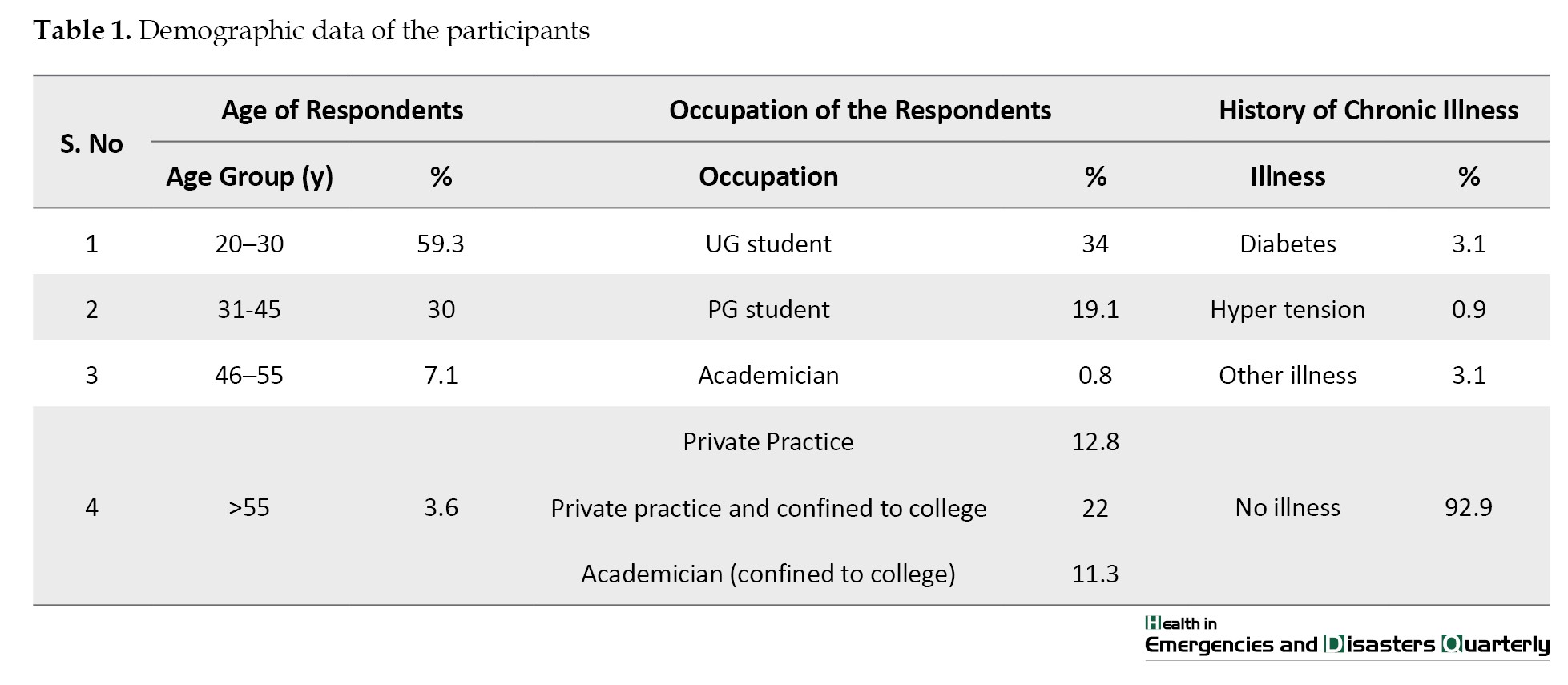
The results showed that most respondents were aware that the SARS-CoV2 belonged to RNA virus family, while a small percentage (8%) were under the misconception that it was a DNA virus. This finding highlights the ignorance of these respondents and underlines the need to stay updated with the knowledge regarding this new epidemic. Similarly, only about 73% of the respondents knew that the receptor binding attachment site of spike protein was ACE-2 receptor. Another group comprised of 23% who identified that the virus attached at the surface of the cells (Figure 1).
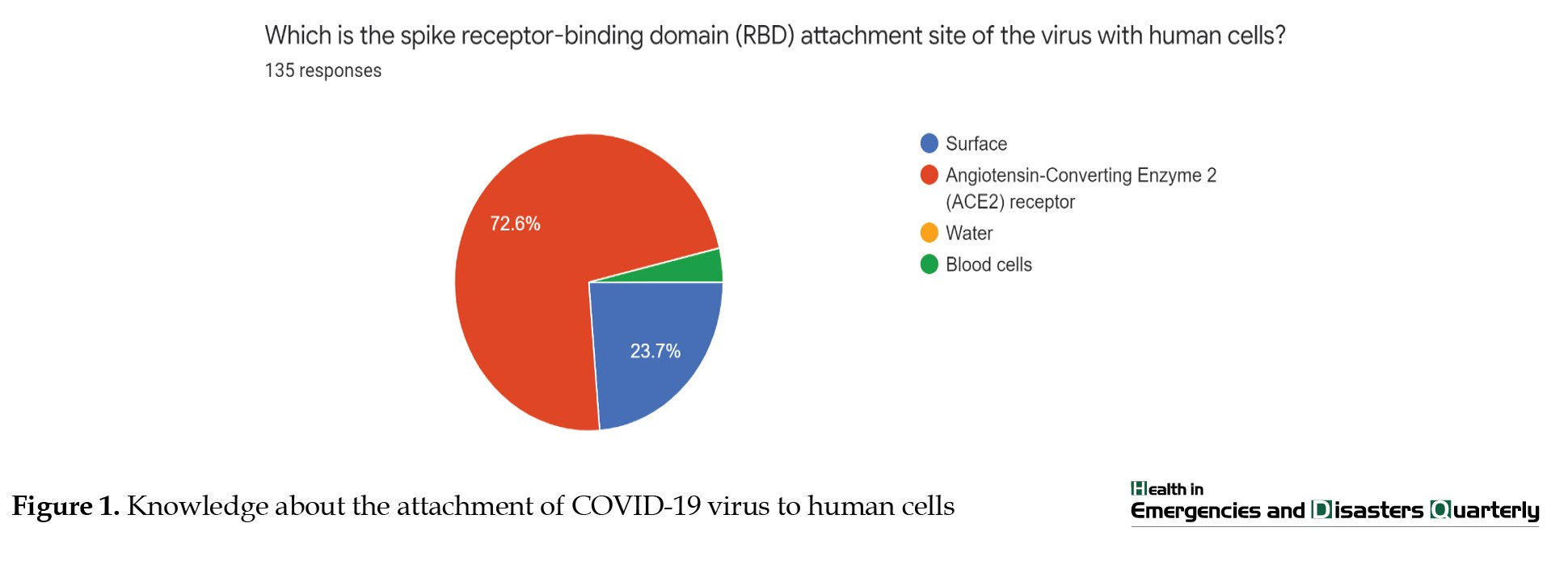 As reference to the route of transmission of the virus, 74.5% of the respondents identified respiratory droplets, which is correct with the current information available, while about 25.5% considered that the virus could be transmitted either through air, water, or blood. This finding shows the proper awareness regarding the mode of spread of the disease. Surprisingly, while most of the respondents considered that the incubation period of the virus was 2 weeks, a substantial number of about 12% thought that it was 1 week (Figure 2).
 The question regarding the effectiveness of hand washes and sanitizers in killing the virus evoked a mixed response. While only 66.6% of the respondents said that it is effective in killing the virus, the rest were skeptical about its effectiveness. Only 33.8% of the respondents correctly knew that the hand washes recommended by World Health Organization (WHO) could be either ethanol- or propanol-based while a substantial percentage opted for either the combination of ethanol, hydrogen peroxide and glycerol, or propanol, hydrogen peroxide, and glycerol.
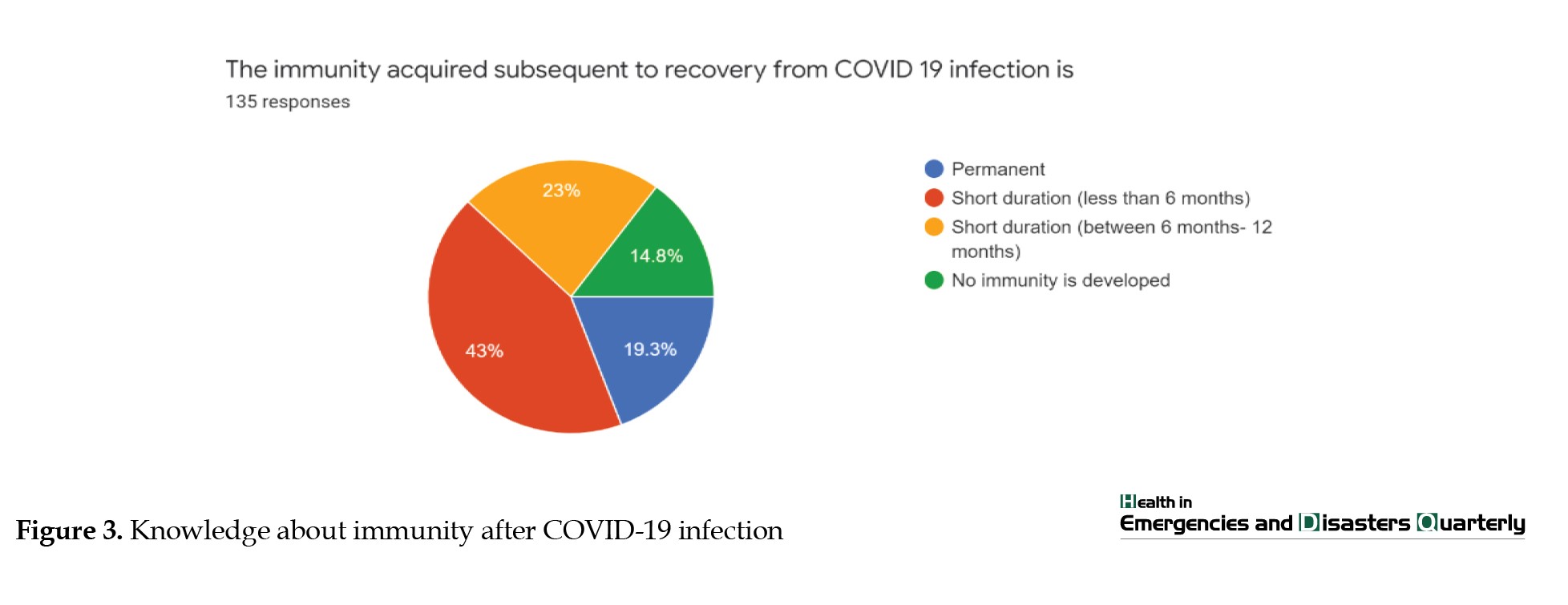
About 66% of the respondents considered that the immunity acquired post-covid infection is short lived, and a quarter percentage of these people think that it is for a period between 6 and 12 months. Surprisingly, a few respondents (about 19.3%) thought that the covid infection confers permanent immunity to the individuals (Figure 3).
Attitudes towards choice of PPE during the pandemic
50% of the respondents preferred using N-95 masks, while about 37% preferred the use of respirators with the N-95 masks while performing dental procedures. The use of three-layered masks was popular with 17% of the respondents. Although, world-wide, N-95 masks have been promoted as being vital for health professionals and highly effective in minimizing the transmission of the virus through droplets.
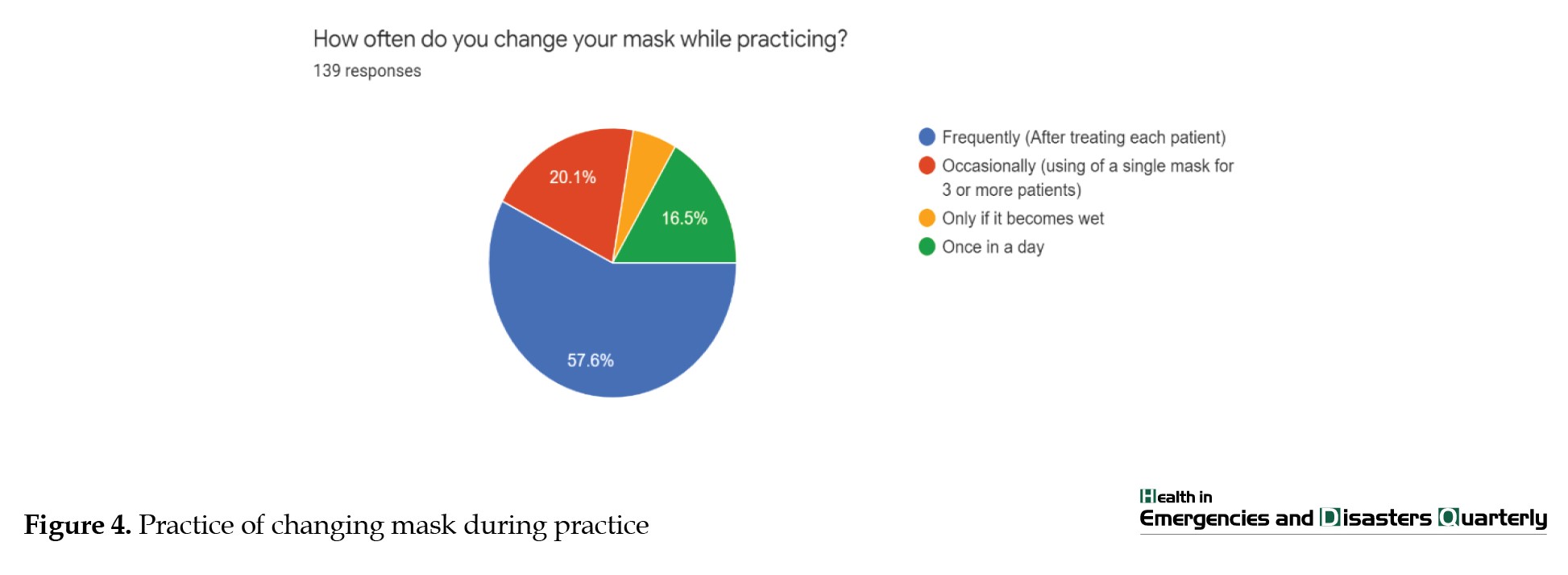
The next important objective was to assess the attitude of the dentists on the frequency with which they change their masks. While 57% suggest that it is mandatory to change masks after treating every patient, about 20% would use change their mask after seeing three or more patients (Figure 4).
 When the patient is sitting on the dental chair, more than 80% of the dentists prefer to advise the patient to use a mouth wash prior to any procedure while about 8% of the respondents preferred to provide PPE to the patients. The use of mouth wash would be necessary to minimize the viral count in the airotar droplets at the time of dental procedures.
Maintaining the operatory room and precautions for the personnel
Following the correct protocol in maintaining the operatory room is essential for the safety of the clinic staff and the patients. In this regard, 68.8% of the dentists believed in maintaining sufficient ventilation through windows and doors, while about 21% preferred the use of HEPA filters. A small percentage of the respondents preferred to limit the use of air conditioners to the operatory room alone.
Less than half the respondents chose to take multi-vitamins to boost their immunity as a self-precaution against COVID-19 prior to starting their dental practice. About 24% of the respondents did not prefer to take any prior precautions. The survey regarding the use of PPE among these dental health practitioners elicited mixed responses with about 43.7% changing their PPE kit for each patient, while about 31.7% sticking with one PPE for one day. On the other hand, about 16.7% of the dentists would use PPE only for selective patients while around 8% of the dentists do not use the PPE kit. Most dentists feel that the level of discomfort during operation increases upon the donning of the PPE. About 30% of the respondents experience increased sweating while working with PPE.
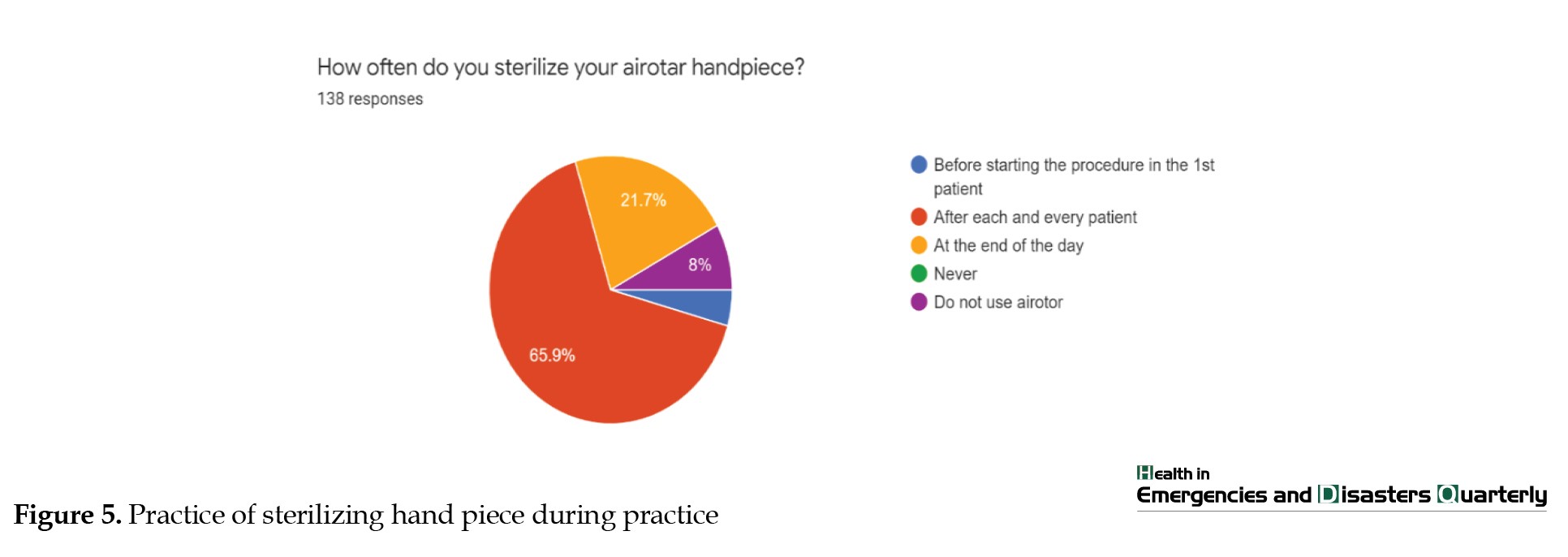
In the survey, about 70% of the respondents chose to sterilize their handpiece after every patient, while only 21.7% preferred sterilizing at the end of the day. The attitude of the latter group needs to be discouraged and this attitude could be attributed to either ignorance or negligence. Their come our duty then to create awareness and instill the urge of sterilizing the handpieces and burs after operating on each patient. Interestingly, about 8% of the respondents did not use airotor handpiece during pandemic time to minimize the risk of aerosol generation and thereby minimized the risk of viral transmission. At the same time, about 68.4% preferred to sterilize their airotor handpieces through autoclave while 20% preferred using 10% povidone iodine solution (Figure 5).
Practice during COVID-19
Interestingly, only about 24% of the respondents mandate the checking of the temperature of each patient visiting their clinics. Most dentists did not check the temperature unless see a patient with COVID-19 symptoms. The use of infra-red thermal scanners in detecting asymptomatic COVID-19 patients is debatable. Considering the incubation period of the virus, it would be wise to follow a standard operating procedure (SOP) in the dental clinic where every visiting individual (patients as well as their attenders) shall be approached assuming that they are SARS-CoV-2 positive. Hence, the use of thermal scanners may not be very helpful in detecting COVID-19 carriers.
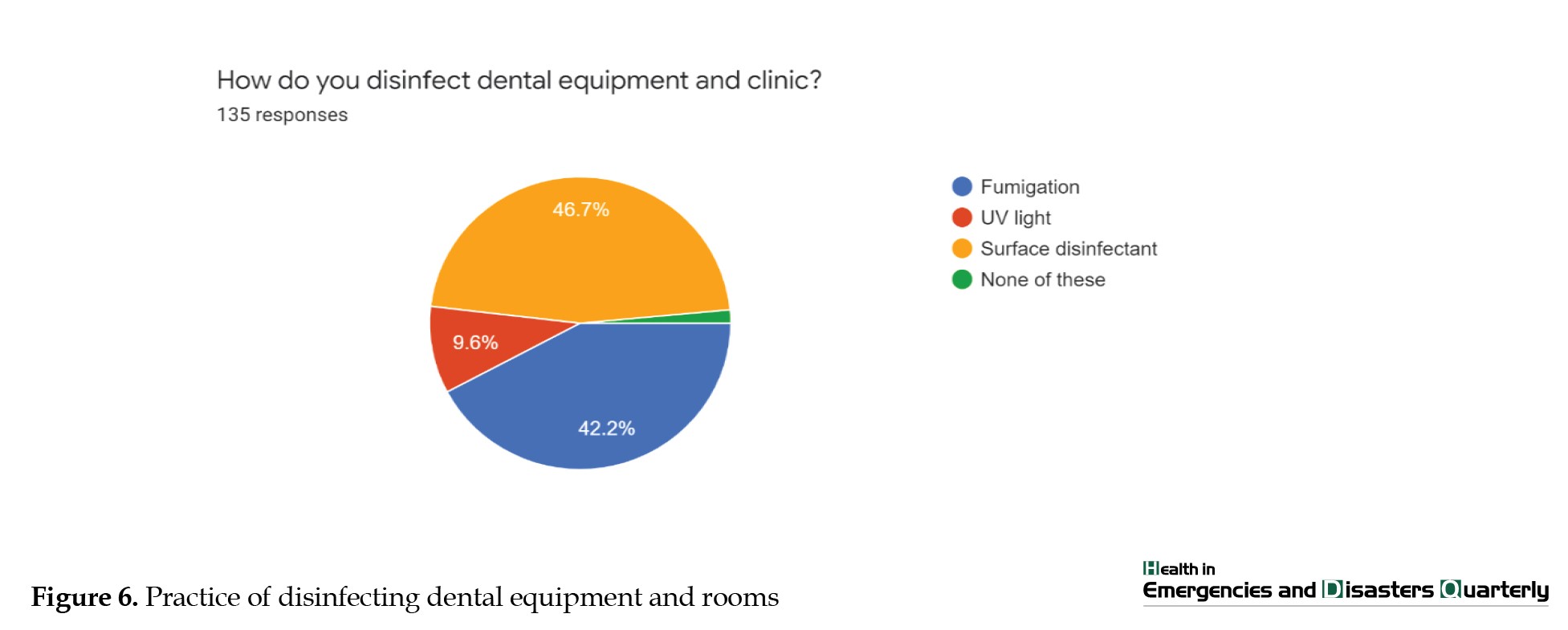
Finally, the method of disinfection of the dental clinic also showed mixed results with an almost equal number of respondents opting for either fumigation or the use of a surface disinfectant. Only 9.6% of the respondents chose UV light (Figure 6).
 Upon exposure to COVID-19 patient, about 57.9% of the respondents preferred to wait and watch for the onset of manifestations of COVID-19 as they felt that their chances of infection are minimized due to the usage of PPE. However, about 38% preferred to isolate themselves through self-quarantine. About 55% of the surveyed population believed that vaccination is a permanent cure for COVID-19 and 26.4% think that developing herd-immunity is our best bet in overcoming the infection. While 12% felt that maintaining personal hygiene is very important to minimize the spread of infection and the rest believed that maintaining social distancing would be effective in reducing the infection rate.
Discussion
Ever since the first reported case in India in January 2020, the authorities are on alert to minimize the spread of COVID 19 infection. The cause of COVID-19 is a SARS virus in 2003 [9]. COVID‑19 was a substantial social concern globally because of its high transmissibility. The virus can be transmitted through airborne droplets, saliva, bodily fluids, and faeces, but airborne droplets is the major route of transmission [10, 11].
Since dental treatment can involve considerable saliva or blood splatter from the patient, it can carry a high risk of virus transmission [12, 13]. As India had the highest incidence of infection, assessing the level of dental students and practicing dentist’s information about COVID-19 is a productive step in limiting the disease. In this study the respondents were clinical dental students, interns, general dental practitioners, faculties, and dental specialists of south India who were executing dental procedures and the protocols they followed for prevention, and their awareness and knowledge about the present COVID-19 pandemics was assessed.
The practicing dentists are at the highest risk of infection due to direct exposure and close contact to saliva, blood, and other body fluids. In India, the dentists affected by coronavirus should follow infection control in their work place [14]. Therefore, dental auxiliaries and patients are become infectors and transmitters of COVID 19 infection [15, 16]. Based on the reasons mentioned above, the Dental Council of India and the Indian Dental Association have promptly given advisories to practicing dentists, which suggested them to protect themselves and be cautious about spread of COVID 19 infection [17, 18].
Centers for disease control and prevention (CDC) suggested to postpone the elective surgeries, procedures, and low priority procedure and execute tele-dentistry. Also, they provide guidance like posted signs, instructions when scheduling appointments for patients and visitors and they recommend the dentists to update with the vaccine doses [19].
There has been no evidence for definite treatment for COVID-19, and handling of COVID-19 was mainly supportive [19]. The present appeal for COVID-19 is to limit the source of infection; use prevention and control measures to minimize the risk of transmission; and avail early diagnosis, quarantine, and supportive care for the affected patients [20, 21].
The current research results showed that most of the participants are aware of the SARS-CoV2 belonged to RNA virus family, the mode of transmission of the virus was through respiratory droplets, the effectiveness of the use of hand washes and hand sanitizers in killing the virus evoked a mixed response, while only 66.6% of the respondents said that it is effective in killing the virus. This result was confirmed by the previous study [19, 22]. About 66% of the respondents consider that the immunity acquired post-covid infection the respondents preferred using N-95 masks, In this regard, 68.8% of the dentists believed in maintaining sufficient ventilation through windows and doors, while about 21% preferred the use of HEPA filters.
In clinics that have good air circulation with fresh air constantly brought through breeze, most of the generated aerosols remain suspended in the air and thereby increases the risk of infecting the subsequent patient who is subjected to dental treatment. Hence, some have advocated the use of HEPA filters in the dental operatory to minimize the transmission of the virus. The literature mentions the HEPA air purifiers to prevent contamination [23, 24].
The survey regarding the use of PPE among these dental health practitioners elicited mixed response with about 43.7% changing their PPE kit for each patient. Attempt to minimize the transmission of disease have been significantly more effective like quarantine, increasing social distance, reduction of displacement, and strict adherence to basic hygiene which confirmed with the previous study results [25, 26]. Air washing process sucks air in the room and directs to disinfection bath and uninterrupted operation is done to minimize the germs in the room air forever [22]. The goal in the management of COVID-19 disease was to protect the medical personnel and reduce financial burden to the hospitals. Protecting the health of medical staff against infectious diseases is another issue that can help meet the challenge of reducing the number of specialists in disease control.
Limitations of the study are convenience sampling that limits the generalizability and increases the chances for self-reporting biases.
Conclusion
The authors concluded that the practicing dentist and academician had enough knowledge to manage the COVID-19 situation very well compared to the students. Hence, the academician should conduct regular online classes to make the students and interns to sensitize the importance PPE kit and wearing N-95 mask after each patient, sterilization of instruments after the procedure, hand sanitization, and vaccination during COVID-19 pandemic. Maintaining inter-personal distance and vaccination will prevent transmission of COVID-19 from patient to dentist. Also, using WHO recommended sanitiser for frequent hand applications of dentist after every patient and mouth wash before start of any dental procedure will minimize the risk of COVID-19 infection.
Ethical Considerations
Compliance with ethical guidelines
This study was approved by the Ethics Committee of SRM Dental College, SRM Institute of Science and Technology, Chennai, India (Code: SRMU/M&HS/SRMDC/2020/S/036).
Funding
This research did not receive any grant from funding agencies in the public, commercial, or non-profit sectors.
Authors' contributions
All authors equally contributed to preparing this article.
Conflict of interest
The authors declared no conflict of interest.
References
The novel coronavirus disease 2019 (COVID‑19) is a viral infection that started in Wuhan, China, and produced pneumonia infection worldwide [1]. COVID-19 is spawn by SARS-CoV-2 virus that is a single stranded RNA with spike protein, nucleic capsid, and envelope membrane [2]. COVID-19 troubled many health professionals around the world [3].
Dentists are the highest risk health professionals. They must consider not only safety of the patients, but also themselves to prevent virus transmission [4]. Carriers as well as patients with critical illness may report for dental treatment as outpatients. The fear of rising cross‑infection from dental practice has made the dentists to stay at home quarantine but the income of the dentist depends on dental practice [5].
During dental procedures, in which many droplets and aerosols, containing microorganisms from an infected individual, could be generated, there is a high risk of cross‑infection between patients and dentists [6-8]. COVID-19 is a pandemic and affects the health professionals worldwide alarmingly. So, the dentist should have basic knowledge about the route of transmission, course of the infection, and its virulence. In this regard, self-defence of the health professionals against the infectious disease is very important. COVID-19 virology should focus on the knowledge gaps in dental settings. So far, there is no research on the knowledge of the dentists on the safe dental practice and avoiding cross-contamination during COVID-19. Hence, this study evaluated the knowledge, attitude, and practice of dental practitioners in southern states of India. A hypothesis was formulated that clinical dental students, interns, academician, and private practitioners had the same knowledge about COVID-19.
Materials and Methods
Study design and participants
A cross-sectional study was conducted among the dental practitioners of southern parts of India using Google Survey Form to collect the study data from October 2020 to December 2020. The study was approved by the Institutional Review Board. The participants were selected using a non-probability convenient sampling method and whoever agreed to take part were included in the study. The sample size was calculated using software G*power, version 3.1.9.4. The power of the study was 80% and the estimated sample size was 140. The inclusion criteria were dental clinical students, interns, various dental specialist, general dental practitioners, and academician. The exclusion criteria were preclinical undergraduate students, clinical practitioners, and academician above 60 years old.
Data collection
The study data were collected online and analyzed using SPSS software, version 23 (IBM Corporation, Armonk, NY, USA). The descriptive analysis was done online. The questionnaires were anonymous to maintain the privacy and confidentiality of the information gathered for the research. A self-directed unidentified questionnaire and digital copy was prepared with participants details (age, gender, and professional experience). The first part was an informed consent was obtained in electronic format for data anonymization. The second section comprises 7 questions covered the knowledge about type of COVID-19, attachment site, mode of transmission, incubation period, effectiveness of hand wash and sanitizers, composition of sanitizer and immunity. The third part consisted of 6 questions related to attitude which comprised of mode of start of dental procedure, change of mask frequency, use of personal protective equipment (PPE) kit, difficulties in wearing PPE kit, mode and duration of disinfection of handpiece. The the fourth part consisted of 6 questions related to practice, such as after rapid testing of patient, thermal testing , disinfection method of clinics and instruments, self-precaution and protection and the action taken if become positive.
Results
The distribution of the occupation of the respondents shows that the survey had an almost equal representation from various groups like student community, academicians, and private practitioners. This broad distribution would further strengthen the results of the study by covering the knowledge, attitude, and practice (KAP) among the different groups of dentists (Table 1).
The results showed that most respondents were aware that the SARS-CoV2 belonged to RNA virus family, while a small percentage (8%) were under the misconception that it was a DNA virus. This finding highlights the ignorance of these respondents and underlines the need to stay updated with the knowledge regarding this new epidemic. Similarly, only about 73% of the respondents knew that the receptor binding attachment site of spike protein was ACE-2 receptor. Another group comprised of 23% who identified that the virus attached at the surface of the cells (Figure 1).
About 66% of the respondents considered that the immunity acquired post-covid infection is short lived, and a quarter percentage of these people think that it is for a period between 6 and 12 months. Surprisingly, a few respondents (about 19.3%) thought that the covid infection confers permanent immunity to the individuals (Figure 3).
Attitudes towards choice of PPE during the pandemic
50% of the respondents preferred using N-95 masks, while about 37% preferred the use of respirators with the N-95 masks while performing dental procedures. The use of three-layered masks was popular with 17% of the respondents. Although, world-wide, N-95 masks have been promoted as being vital for health professionals and highly effective in minimizing the transmission of the virus through droplets.
The next important objective was to assess the attitude of the dentists on the frequency with which they change their masks. While 57% suggest that it is mandatory to change masks after treating every patient, about 20% would use change their mask after seeing three or more patients (Figure 4).
Maintaining the operatory room and precautions for the personnel
Following the correct protocol in maintaining the operatory room is essential for the safety of the clinic staff and the patients. In this regard, 68.8% of the dentists believed in maintaining sufficient ventilation through windows and doors, while about 21% preferred the use of HEPA filters. A small percentage of the respondents preferred to limit the use of air conditioners to the operatory room alone.
Less than half the respondents chose to take multi-vitamins to boost their immunity as a self-precaution against COVID-19 prior to starting their dental practice. About 24% of the respondents did not prefer to take any prior precautions. The survey regarding the use of PPE among these dental health practitioners elicited mixed responses with about 43.7% changing their PPE kit for each patient, while about 31.7% sticking with one PPE for one day. On the other hand, about 16.7% of the dentists would use PPE only for selective patients while around 8% of the dentists do not use the PPE kit. Most dentists feel that the level of discomfort during operation increases upon the donning of the PPE. About 30% of the respondents experience increased sweating while working with PPE.
In the survey, about 70% of the respondents chose to sterilize their handpiece after every patient, while only 21.7% preferred sterilizing at the end of the day. The attitude of the latter group needs to be discouraged and this attitude could be attributed to either ignorance or negligence. Their come our duty then to create awareness and instill the urge of sterilizing the handpieces and burs after operating on each patient. Interestingly, about 8% of the respondents did not use airotor handpiece during pandemic time to minimize the risk of aerosol generation and thereby minimized the risk of viral transmission. At the same time, about 68.4% preferred to sterilize their airotor handpieces through autoclave while 20% preferred using 10% povidone iodine solution (Figure 5).
Practice during COVID-19
Interestingly, only about 24% of the respondents mandate the checking of the temperature of each patient visiting their clinics. Most dentists did not check the temperature unless see a patient with COVID-19 symptoms. The use of infra-red thermal scanners in detecting asymptomatic COVID-19 patients is debatable. Considering the incubation period of the virus, it would be wise to follow a standard operating procedure (SOP) in the dental clinic where every visiting individual (patients as well as their attenders) shall be approached assuming that they are SARS-CoV-2 positive. Hence, the use of thermal scanners may not be very helpful in detecting COVID-19 carriers.
Finally, the method of disinfection of the dental clinic also showed mixed results with an almost equal number of respondents opting for either fumigation or the use of a surface disinfectant. Only 9.6% of the respondents chose UV light (Figure 6).
Discussion
Ever since the first reported case in India in January 2020, the authorities are on alert to minimize the spread of COVID 19 infection. The cause of COVID-19 is a SARS virus in 2003 [9]. COVID‑19 was a substantial social concern globally because of its high transmissibility. The virus can be transmitted through airborne droplets, saliva, bodily fluids, and faeces, but airborne droplets is the major route of transmission [10, 11].
Since dental treatment can involve considerable saliva or blood splatter from the patient, it can carry a high risk of virus transmission [12, 13]. As India had the highest incidence of infection, assessing the level of dental students and practicing dentist’s information about COVID-19 is a productive step in limiting the disease. In this study the respondents were clinical dental students, interns, general dental practitioners, faculties, and dental specialists of south India who were executing dental procedures and the protocols they followed for prevention, and their awareness and knowledge about the present COVID-19 pandemics was assessed.
The practicing dentists are at the highest risk of infection due to direct exposure and close contact to saliva, blood, and other body fluids. In India, the dentists affected by coronavirus should follow infection control in their work place [14]. Therefore, dental auxiliaries and patients are become infectors and transmitters of COVID 19 infection [15, 16]. Based on the reasons mentioned above, the Dental Council of India and the Indian Dental Association have promptly given advisories to practicing dentists, which suggested them to protect themselves and be cautious about spread of COVID 19 infection [17, 18].
Centers for disease control and prevention (CDC) suggested to postpone the elective surgeries, procedures, and low priority procedure and execute tele-dentistry. Also, they provide guidance like posted signs, instructions when scheduling appointments for patients and visitors and they recommend the dentists to update with the vaccine doses [19].
There has been no evidence for definite treatment for COVID-19, and handling of COVID-19 was mainly supportive [19]. The present appeal for COVID-19 is to limit the source of infection; use prevention and control measures to minimize the risk of transmission; and avail early diagnosis, quarantine, and supportive care for the affected patients [20, 21].
The current research results showed that most of the participants are aware of the SARS-CoV2 belonged to RNA virus family, the mode of transmission of the virus was through respiratory droplets, the effectiveness of the use of hand washes and hand sanitizers in killing the virus evoked a mixed response, while only 66.6% of the respondents said that it is effective in killing the virus. This result was confirmed by the previous study [19, 22]. About 66% of the respondents consider that the immunity acquired post-covid infection the respondents preferred using N-95 masks, In this regard, 68.8% of the dentists believed in maintaining sufficient ventilation through windows and doors, while about 21% preferred the use of HEPA filters.
In clinics that have good air circulation with fresh air constantly brought through breeze, most of the generated aerosols remain suspended in the air and thereby increases the risk of infecting the subsequent patient who is subjected to dental treatment. Hence, some have advocated the use of HEPA filters in the dental operatory to minimize the transmission of the virus. The literature mentions the HEPA air purifiers to prevent contamination [23, 24].
The survey regarding the use of PPE among these dental health practitioners elicited mixed response with about 43.7% changing their PPE kit for each patient. Attempt to minimize the transmission of disease have been significantly more effective like quarantine, increasing social distance, reduction of displacement, and strict adherence to basic hygiene which confirmed with the previous study results [25, 26]. Air washing process sucks air in the room and directs to disinfection bath and uninterrupted operation is done to minimize the germs in the room air forever [22]. The goal in the management of COVID-19 disease was to protect the medical personnel and reduce financial burden to the hospitals. Protecting the health of medical staff against infectious diseases is another issue that can help meet the challenge of reducing the number of specialists in disease control.
Limitations of the study are convenience sampling that limits the generalizability and increases the chances for self-reporting biases.
Conclusion
The authors concluded that the practicing dentist and academician had enough knowledge to manage the COVID-19 situation very well compared to the students. Hence, the academician should conduct regular online classes to make the students and interns to sensitize the importance PPE kit and wearing N-95 mask after each patient, sterilization of instruments after the procedure, hand sanitization, and vaccination during COVID-19 pandemic. Maintaining inter-personal distance and vaccination will prevent transmission of COVID-19 from patient to dentist. Also, using WHO recommended sanitiser for frequent hand applications of dentist after every patient and mouth wash before start of any dental procedure will minimize the risk of COVID-19 infection.
Ethical Considerations
Compliance with ethical guidelines
This study was approved by the Ethics Committee of SRM Dental College, SRM Institute of Science and Technology, Chennai, India (Code: SRMU/M&HS/SRMDC/2020/S/036).
Funding
This research did not receive any grant from funding agencies in the public, commercial, or non-profit sectors.
Authors' contributions
All authors equally contributed to preparing this article.
Conflict of interest
The authors declared no conflict of interest.
References
- Khader Y, Al Nsour M, Al-Batayneh OB, Saadeh R, Bashier H, Alfaqih M, et al. Dentists' awareness, perception, and attitude regarding COVID-19 and infection control: cross-sectional study among Jordanian dentists. JMIR Public Health and Surveillance. 2020; 6(2):e18798. [DOI:10.2196/18798] [PMID]
- Chen Y, Liu O, Guo D. Emerging coronaviruses: Genome structure, replication, and pathogenesis. Journal of Medical Virology. 2020; 92(4):418-23. [DOI:10.1002/jmv.25681] [PMID]
- Zhang Z, Liu S, Xiang M, Li S, Zhao D, Huang C, et al. Protecting healthcare personnel from 2019-nCov infection risks: lessons and suggestions. Frontiers in Medicine. 2020; 14(2):229-31. [DOI:10.1007/s11684-020-0765-x] [PMID]
- Chang D, Xu H, Rebaza A, Sharma L, Dela Cruz CS. Protecting healthcare workers from subclinical coronavirus infection. The Lancet Respiratory Medicine. 2020; 8(3):e13. [DOI:10.1016/S2213-2600(20)30066-7] [PMID]
- Raza M, Jain S, Sharma P, Kmar P, Shetty D, Juneja A. Awareness related to covid 19 among dental health-care students and professionals of national capital region: A cross sectional study. Indian Journal of Dental Science. 2020; 12(4):209-15. [DOI:10.4103/IJDS.IJDS_107_20]
- Meng L, Hua F, Bian Z. Coronavirus disease 2019 (COVID19): Emerging and future challenges for dental and oral medicine. Journal of Dental Research. 2020; 99(5):481-7. [DOI:10.1177/0022034520914246] [PMID]
- Sabino-Silva R, Jardim ACG, Siqueira WL. Coronavirus COVID-19 impacts to dentistry and potential salivary diagnosis. Clinical Oral Investigations. 2020; 24(4):1619-21. [DOI:10.1007/s00784-020-03248-x] [PMID]
- Peng X, Xu X, Li Y, Cheng L, Zhou X, Ren B. Transmission routes of 2019nCoV and controls in dental practice. International Journal of Oral Science. 2020; 12(1):9. [DOI:10.1038/s41368-020-0075-9] [PMID]
- Wu F, Zhao S, Yu B, Chen YM, Wang W, Song ZG, et al. A new coronavirus associated with human respiratory disease in China. Nature. 2020; 579(7798):265-9. [DOI:10.1038/s41586-020-2008-3] [PMID]
- Lu CW, Liu XF, Jia ZF. 2019-nCoV transmission through the ocular surface must not be ignored. Lancet. 2020; 395(10224):e39. [DOI:10.1016/S0140-6736(20)30313-5] [PMID]
- Belser JA, Rota PA, Tumpey TM. Ocular tropism of respiratory viruses. Microbiology and Molecular Biology Review. 2013; 77(1):144-56. [DOI:10.1128/MMBR.00058-12] [PMID]
- Kampf G, Todt D, Pfaender S, Steinmann E. Persistence of coronaviruses on inanimate surfaces and their inactivation with biocidal agents. Journal of Hospital Infection. 2020; 104(3):246-51. [DOI:10.1016/j.jhin.2020.01.022] [PMID]
- Chen J. Pathogenicity and transmissibility of 2019-nCoV-a quick overview and comparison with other emerging viruses. Microbes and Infection. 2020; 22(2):69-71. [DOI:10.1016/j.micinf.2020.01.004] [PMID]
- Tanaka H, Kurita H, Shibuya Y, Chikazu D, Iino M, Hoshi K, et al. COVID-19 transmission in dental and oral/maxillofacial surgical practice during pandemic: questionnaire survey in 51 university hospitals in Japan. The Journal of Hospital Infection. 2022; 125:21-7. [DOI:10.1016/j.jhin.2022.04.002] [PMID]
- Bescos R, Casas-Agustench P, Belfield L, Brookes Z, Gabaldón T. Coronavirus Disease 2019 (COVID-19): Emerging and future challenges for dental and oral medicine. Journal of Dental Research. 2020; 99(9):1113. [DOI:10.1177/0022034520932149] [PMID]
- Sawhney A, Venugopal S, Babu GR, Garg A, Mathew M, Yadav M, et al. Aerosols how dangerous they are in clinical practice. Journal of Clinical and Diagnostic Research. 2015; 9(4):ZC52-7. [DOI:10.7860/JCDR/2015/12038.5835] [PMID]
- Indian Dental Association. Indian dental association’s preventive guidelines for dental professionals on the Coronavirus Threat. Mumbai: Indian Dental Association; 2020. [Link]
- No Author. Dental council of India [Internet]. 2026 [Updated 6 June 2026]. Available from: [Link]
- The Centers for Disease Control and Prevention (CDC). Infection control guidance: sARS-CoV-2. Atlanta: The Centers for Disease Control and Prevention (CDC); 2024. [Link]
- World Health Organization. Clinical management of severe acute respiratory infection when COVID-19 is suspected. Interim guidance. “Pediatria i Medycyna Rodzinna. 2020, 16(1):9–26. [DOI:10.15557/PiMR.2020.0003]
- Wang D, Hu B, Hu C, Zhu F, Liu X, Zhang J, et al. Clinical characteristics of 138 hospitalized patients with 2019 novel coronavirus-infected pneumonia in Wuhan, China. Journal of American Medical Association. 2020; 323(11):1061-9. [DOI:10.1001/jama.2020.1585] [PMID]
- Prem K, Liu Y, Russell TW, Kucharski AJ, Eggo RM, Davies N, et al. The effect of control strategies to reduce social mixing on outcomes of the COVID-19 epidemic in Wuhan, China: A modelling study. The Lancet. Public Health. 2020; 5(5):e261-70. [DOI:10.1016/S2468-2667(20)30073-6] [PMID]
- Christopherson DA, Yao WC, Lu M, Vijayakumar R, Sedaghat AR. High-efficiency particulate air filters in the Era of COVID-19: Function and efficacy. Otolaryngoloy and Neck Surgery. 2020; 163(6):1153-5. [DOI:10.1177/0194599820941838] [PMID]
- Obitková D, Mráz M, Pavlík E. Virus removal by high-efficiency air (HEPA) filters and filtration capacity enhancement by nanotextiles: A pilot study. Folia Microbiologica. 2024; 69(2):459-64. [DOI:10.1007/s12223-024-01137-4] [PMID]
- Rafieepour A, Masoumi Gh, Dehghani A. Health responses during the covid-19 pandemic: An international strategy and experience analysis. Health in Emergencies and Disasters Quarterly. 2021; 6(3):147-60. [DOI:10.32598/hdq.6.3.310.1]
- Domres B, Hecker N, Gentz M, Naccarato F, Roudini M, Roudini J, et al. Ability of the so-called APURO air washing process to disinfect germs like COVID-19 in the indoor air and on surfaces. Health in Emergencies and Disasters Quarterly. 2021; 6(4):197-8. [DOI:10.32598/hdq.6.4.3]
Type of article: Research |
Subject:
Emergency
Received: 2025/01/9 | Accepted: 2025/09/7 | Published: 2026/04/1
Received: 2025/01/9 | Accepted: 2025/09/7 | Published: 2026/04/1
Send email to the article author
| Rights and permissions | |
 |
This work is licensed under a Creative Commons Attribution-NonCommercial 4.0 International License. |

Copyright © The Author(s);
This is an open access article distributed under the terms of the Creative Commons Attribution-NonCommercial 4.0 (CC-By-NC 4.0), which permits use, distribution, and reproduction in any medium, provided the original work is properly cited and is not used for commercial purposes.
Contact Information
This is an open access article distributed under the terms of the Creative Commons Attribution-NonCommercial 4.0 (CC-By-NC 4.0), which permits use, distribution, and reproduction in any medium, provided the original work is properly cited and is not used for commercial purposes.
Contact Information
