
Volume 12, Issue 1 (Autumn- In Press 2026)
Health in Emergencies and Disasters Quarterly 2026, 12(1): 61-70 |
Back to browse issues page



Ethics code: IR.MUMS.IRH.REC.1402.155


Download citation:
BibTeX | RIS | EndNote | Medlars | ProCite | Reference Manager | RefWorks
Send citation to:


BibTeX | RIS | EndNote | Medlars | ProCite | Reference Manager | RefWorks
Send citation to:
Salari M, Kokabi-Saghi F, Dorri Khalilzadeh F, Shabanikiya H. The Relationship Between Resilience, Spiritual Health, and Quality of Life Among Emergency Nurses. Health in Emergencies and Disasters Quarterly 2026; 12 (1) :61-70
URL: http://hdq.uswr.ac.ir/article-1-751-en.html
URL: http://hdq.uswr.ac.ir/article-1-751-en.html


1- Department of Biostatistics, School of Health, Mashhad University of Medical Sciences, Mashhad, Iran.
2- Social Determinants of Health Research Center, Mashhad University of Medical Sciences, Mashhad, Iran.
3- Student Research Committee, Mashhad University of Medical Sciences, Mashhad, Iran.
4- Social Determinants of Health Research Center, Mashhad University of Medical Sciences, Mashhad, Iran. & Department of Health Economics and Management Sciences, School of Health, Mashhad University of Medical Sciences, Mashhad, Iran. ,ShabaniKiaHR@mums.ac.ir
2- Social Determinants of Health Research Center, Mashhad University of Medical Sciences, Mashhad, Iran.
3- Student Research Committee, Mashhad University of Medical Sciences, Mashhad, Iran.
4- Social Determinants of Health Research Center, Mashhad University of Medical Sciences, Mashhad, Iran. & Department of Health Economics and Management Sciences, School of Health, Mashhad University of Medical Sciences, Mashhad, Iran. ,
Keywords: Resilience, Spiritual health, Quality of life (QoL), Emergency services, Emergency nurses, Pre-hospital emergency care
Full-Text [PDF 662 kb]
(521 Downloads)
| Abstract (HTML) (1970 Views)
Full-Text: (3 Views)
Introduction
Globally, the number and impact of disasters have risen in recent years, resulting in notable economic and social challenges [1]. Iran, identified as a highly disaster-prone country, has likewise suffered significant fatalities and injuries from natural and man-made disasters [2]. The emergency services—both pre-hospital and hospital-based—are key components of disaster response and address the needs of affected individuals. Providing high-quality emergency care depends heavily on a skilled and motivated workforce [3]. However, recruiting and retaining such personnel is challenging due to the demanding nature of emergency and security-related professions.
Evidence from multiple studies, including a systematic review on the impact of emergency medical service work on personnel’s physical, mental, and social well-being, indicates that this type of work heightens the likelihood of health disorders, such as post-traumatic stress disorder (PTSD), depression, and anxiety [4]. A study conducted among emergency nurses in China revealed that job stress and burnout levels were higher than average in this group [5]. Other studies indicated that exposure to stress-related conditions can lead to burnout and job turnover, significantly impacting quality of life (QoL). QoL refers to an individual’s perception of his/her overall life status, influenced by their cultural context, personal values, expectation, and social surroundings [6, 7].
Resilience plays a critical role in enabling individuals to effectively navigate and adapt to crisis situations. It reflects the ability to maintain mental and emotional stability under difficult circumstances [8, 9]. Losino’s study involving 1,422 frontline healthcare workers in Spain who treated COVID-19 patients showed that resilience helped mitigate the risk of several psychological difficulties. Employees with higher resilience levels were less likely to experience mental health issues [10]. Another study conducted in the United States on emergency medical service (EMS) workers found that more resilient individuals were less likely to develop PTSD [11].
The literature in this area has primarily focused on the psychological or physical dimensions of resilience, with limited attention to its connection with spiritual health, which is an equally important yet often overlooked dimension of well-being. However, spiritual well-being can be described as a sense of harmony derived from one’s relationship with self, others, and a transcendent force, as well as from adherence to personal core values [12]. Investigations have demonstrated that spiritual health correlates with different components of health [13, 14]. Spiritual health plays a significant role in maintaining or restoring biological-psychological balance after a disaster or crisis. In Iran, where spirituality is deeply embedded in both cultural and professional identity, exploring how resilience relates to spiritual health among nurses offers important context-specific insights. Moreover, resilience is one of the key factors that can significantly affect QoL [15].
Nurses provide direct support, emotional comfort, and education to patients and spend considerable time at their bedsides, enabling them to be the first to notice subtle changes in patients’ conditions. Their strong communication and critical thinking skills enable them to play a crucial role in ensuring patient safety and well-being. Accordingly, promoting resilience, enhancing nurses’ QoL, and fostering spiritual health are crucial. The aim of this study was to assess the levels of resilience, QoL, and spiritual health among in-hospital and pre-hospital emergency nurses and to explore the relationships among these constructs.
Materials and Methods
Study design and setting
This cross-sectional study was carried out in 2024 among nurses employed in emergency departments and pre-hospital emergency services (EMS 115) at Mashhad University of Medical Sciences.
Sample size and sampling method
Cluster sampling was employed. Each hospital was considered a cluster; four hospitals were randomly selected, and data were collected from these hospitals using convenience sampling with proportional allocation based on job categories. Participants were included if they had at least one year of experience in the emergency departments of the selected hospitals or in EMS 115. Those who left more than 30% of the questionnaire items unanswered were excluded.
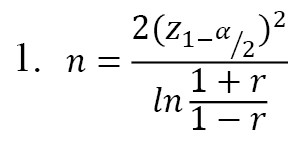
The sample size was determined using a formula that assumed a 0.05 type I error, 80% statistical power, and a very weak correlation coefficient (r=0.02), due to the lack of comparable studies. After accounting for a potential 20% attrition rate due to incomplete questionnaires, the final estimated sample size was approximately 300 participants.
Data collection tools
Four questionnaires were used for data collection (Equation 1):
Demographic questionnaire
This questionnaire gathered data on participants’ gender, age, employment type, marital status, work experience, and monthly shift count.
Spiritual health questionnaire
Participants’ spiritual health was assessed using the Paloutzian and Ellison’s spiritual health scale [16], which has been widely used in previous studies for healthcare workers, including nurses [17, 18]. The validity and reliability of this 20-item questionnaire were supported by studies, like Seyed Fatemi et al. in Iran, reporting a reliability coefficient of 0.82 [16]. It assesses two dimensions: Existential health (10 items) and religious health (10 items). The scale consists of items rated on a six-point Likert scale, from “strongly disagree” to “strongly agree.” For scoring purposes, positively worded statements receive scores ranging from 1 to 6, whereas negatively worded items are reverse-scored. Scores on the scale vary from 20 to 120, with higher total scores indicating stronger spiritual well-being. Based on the total score, spiritual health is categorized as low (20–40), moderate (41–99) and high (100–120).
Connor-Davidson resilience scale
Resilience was assessed using the 25-item connor-davidson resilience scale (CD-RISC) [19]. Samani et al. [20] validated this scale in the Iranian context, reporting a Cronbach’s α of 0.87, confirming its reliability and validity. The scale employs a five-point Likert response format ranging from 0 (‘not true at all’) to 4 (‘true nearly all the time’), yielding total scores between 0 and 100, with higher scores indicating greater resilience. It measures five dimensions: personal competence (8 items), trust in one’s instincts and tolerance for negative emotions (7 items), acceptance of change and secure relationships (5 items), control (3 items), and spiritual influences (2 items).
World health organization’s QoL questionnaire
The World Health Organization’s QoL questionnaire (WHOQOL-BREF) is a 26-item questionnaire used to assess QoL [20]. Its Persian translation was validated by Nejat et al. [21]. The tool evaluates four domains: physical health, psychological health, social relationships, and environmental health. It uses a five-point scale, with total scores converted to a 0–100 scale; higher scores represent a better QoL.
Data analysis
The data were analyzed using a combination of descriptive and inferential statistical methods. Descriptive statistics included, frequencies, and Mean±SD. Inferential analyses included the Mann–Whitney test, t-test, Kolmogorov–Smirnov test, chi-square test, Fisher’s exact test, and Spearman’s correlation coefficient. Data were analyzed using SPSS software, version 26, with the significance threshold set at 0.05 for all tests. Missing values were replaced with the mean of the recorded values.
Results
A total of 212 individuals participated in the study, yielding a 70% response rate. Participants’ demographic details are shown in Table 1, which indicates that their mean age fell within the middle-aged category.
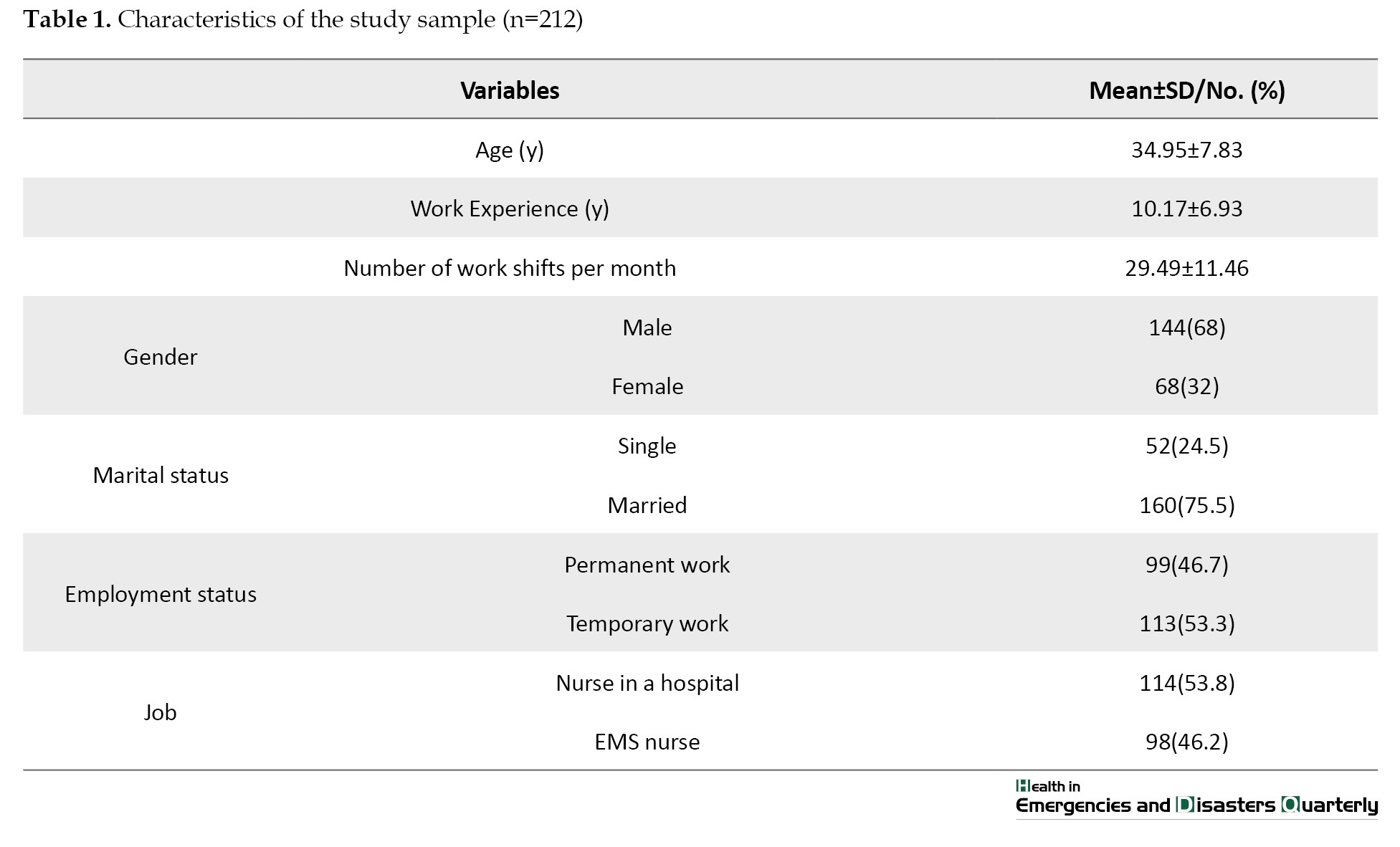
The majority of respondents were male, and marital status data indicated that a high percentage were married. In terms of employment status, approximately half of the participants held permanent positions.
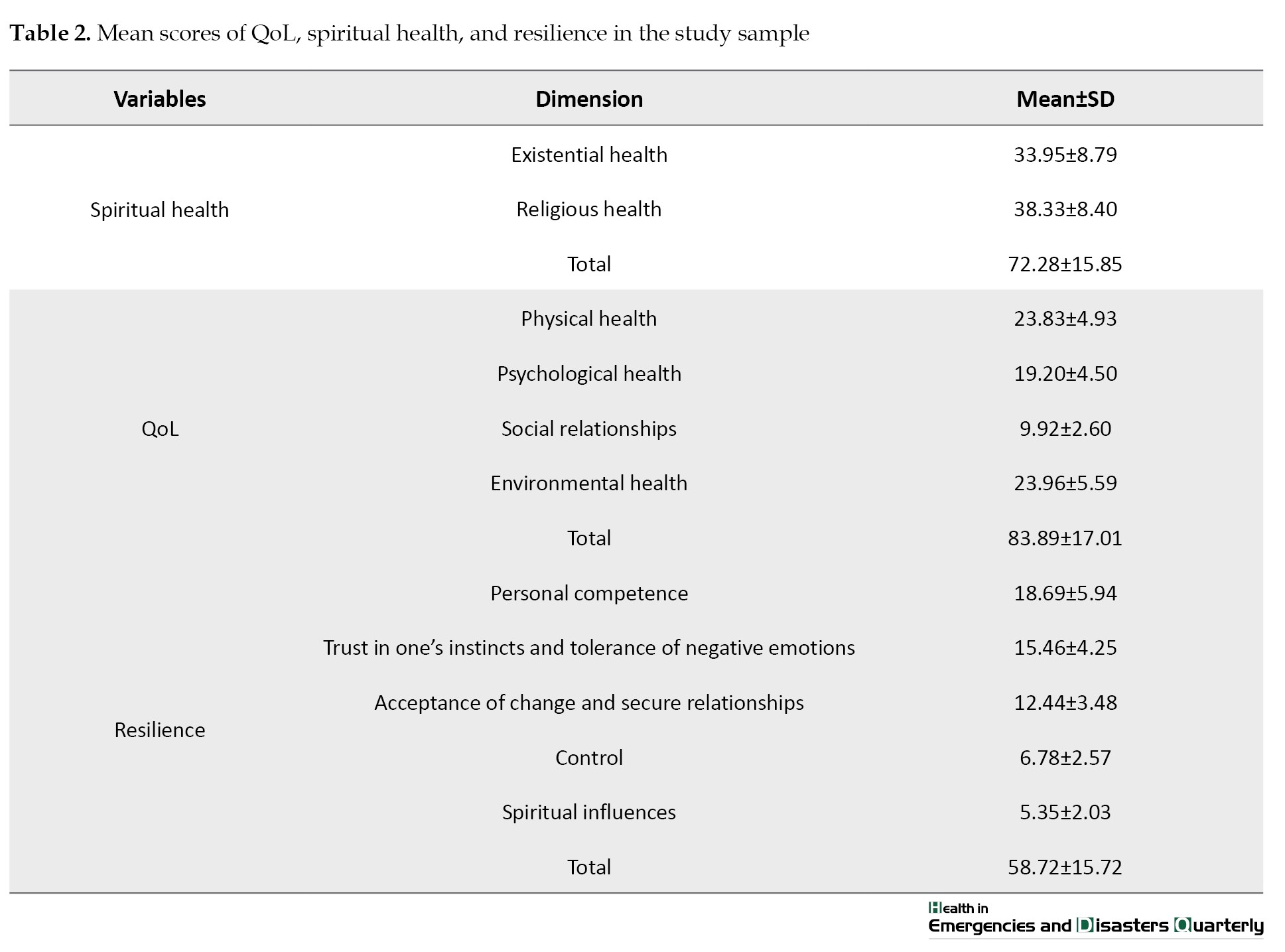
The findings showed that the majority of participants exhibited a moderate level of spiritual health, with an overall mean score of 72.28 out of 100. The religious health dimension had a higher score than the existential health dimension. Furthermore, the overall mean quality-of-life score was 83.89 out of 100, reflecting a relatively favorable QoL among the participants. Among the quality-of-life dimensions, environmental health had the highest mean score, whereas social relationships had the lowest mean score. In addition, the overall mean resilience score was 58.72 out of 100, indicating a moderate level of resilience in this group. Among the resilience dimensions, personal competence had the highest mean score, whereas spiritual influences had the lowest mean score (Table 2).
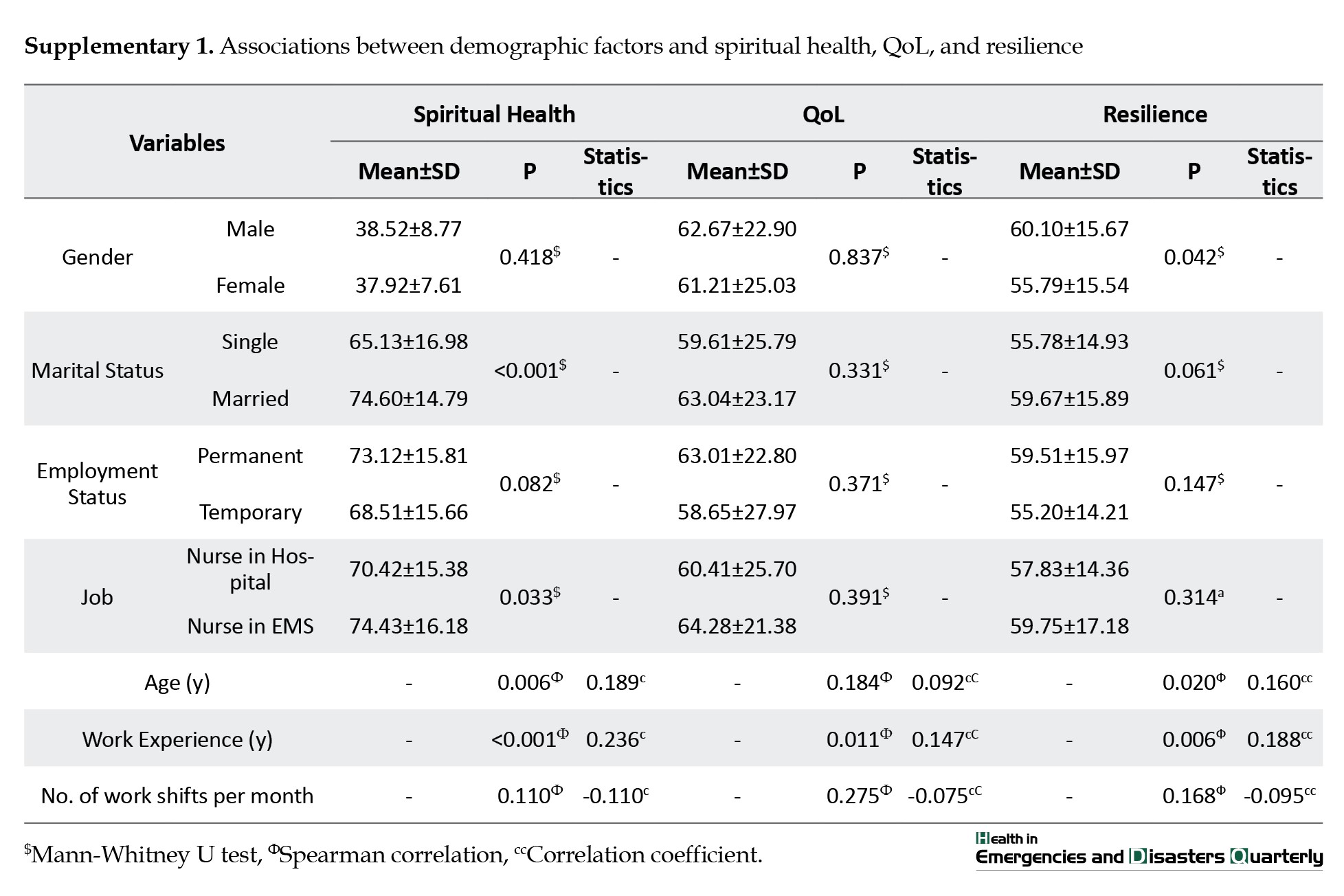
The results indicated that male participants had significantly higher resilience scores than female participants (P<0.05). A notable difference in spiritual health was also found among married and single participants (P<0.05), with married individuals reporting higher levels. Although permanent employees showed higher mean scores for spiritual health, QoL, and resilience than those in other employment groups, these differences were not statistically significant. Regarding the work setting, EMS nurses demonstrated higher scores for spiritual health, QoL, and resilience compared to hospital nurses; however, only the difference in spiritual health reached statistical significance. Furthermore, age was positively and significantly correlated with both spiritual health and resilience but was not significantly associated with QoL. Similarly, years of work experience were positively and significantly correlated with spiritual health, QoL, and resilience (Supplementary 1).
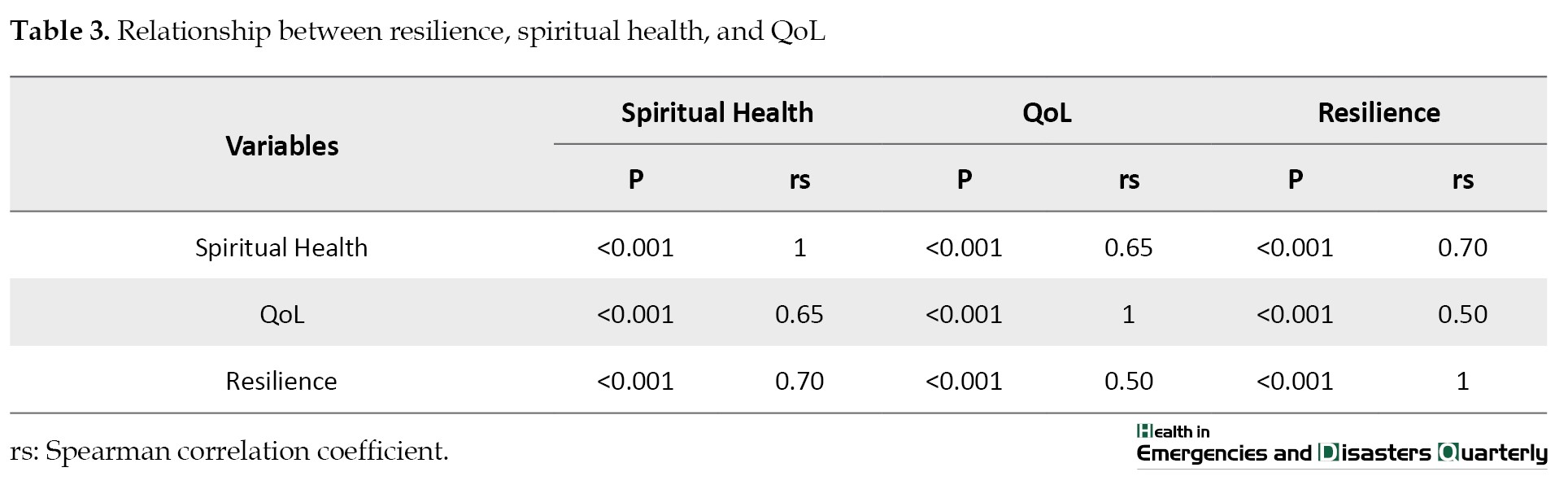
The statistical analysis revealed significant positive correlations among spiritual health, resilience, and QoL. A strong and statistically significant association was found between spiritual health and QoL (r=0.65), as well as between spiritual health and resilience (r=0.7). Moreover, a moderate yet significant positive relationship was found between QoL and resilience (r=0.5). All correlations were significant at P<0.001 (Table 3).
Discussion
This study assessed spiritual QoL, health, resilience and among emergency staff in both in-hospital and pre-hospital settings. The following section presents and discusses the findings.
Resilience
The participants’ mean resilience score was 58.72 out of 100, indicating a moderate level of resilience. This result is consistent with Amini’s study [22], which reported a mean resilience score of 52.62 among nurses. Similarly, Jafari et al. [23] reported a mean resilience score of 68.45 out of 100 among nurses in Tehran, indicating a moderate level of resilience.
In our study, male participants exhibited significantly higher resilience scores compared to females (P<0.05). This finding aligns with the study by Salari et al. [24], which examined gender differences in resilience levels among students at Kashan University, Kashan, Iran. Conversely, Ansari et al. [25] found no significant gender-based differences in resilience among nurses in Kerman. Such discrepancies may be attributable to factors, such as environmental conditions, cultural characteristics, occupational differences, or other intervening variables. Furthermore, resilience was positively correlated with age and work experience, although this finding contrasts with the results of the study by Timalsina and Sung Wathana [8], which reported an inverse relationship. This discrepancy could stem from differences in the age groups examined in the two studies. In the current study, the majority of participants were middle-aged, whereas Timalsina’s research centered on factors promoting resilience among older adults in disaster contexts.
Quality of life
The QoL score averaged 83.89 out of 100, suggesting a relatively favorable status among participants .This observation aligns with that of Ossarroudi et al. [26], reporting a mean score of 64.38 among nurses. Additionally, Estaji et al. [27] found that 64% of nurses experienced moderate QoL.
Across the quality-of-life subdomains, environmental health had the highest score, while social relationships had the lowest. In contrast, Fernandes Souza et al. [28] reported lower environmental scores and higher scores in the psychological and social domains among ICU nurses. These differences could be due to variations in professional contexts, demographic factors, and institutional resources. Such variations underscore the need for further investigation and for tailoring quality-of-life improvement programs to the specific contexts of each population.
Regarding demographic factors, our analysis revealed a strong correlation between work experience and QoL, indicating that nurses with longer work experience reported better quality of work life. This finding supports the results of Moradi et al. [29], who also observed a positive relationship between professional tenure and quality of work life. More experienced staff members may experience lower stress and greater job stability, thereby enhancing their overall quality of work life [30].
Spiritual health
The majority of participants (96.7%) reported moderate levels of spiritual health, a finding consistent with the results of Golipoor Khanmiri et al. [17] and Moeini et al. [31], who observed similar patterns among nurses in Tabriz and cardiac ICUs. In this study, EMS nurses demonstrated higher spiritual health compared to hospital-based nurses, which may be attributed to the distinctive nature of pre-hospital work, where staff frequently encounter sudden life-threatening situations, direct exposure to death, and acute emotional events. Such experiences may promote the adoption of spiritual coping strategies to find meaning and maintain emotional stability. Previous research similarly indicates that EMS and prehospital personnel often rely more heavily on spirituality to manage the stress and emotional demands of frontline emergency work [32, 33].
Additionally, a notable variation in spiritual health scores was observed between married and single participants, with married individuals exhibiting higher levels. This aligns with the findings of Shamsaei et al. [34], who reported higher spiritual health among married medical students, and Ezati et al. [35], who also identified a significant association between marital status and spiritual health. Prior studies suggest that strong family connections play a crucial role in fostering religious practices and beliefs, as positive family relationships enhance participation in spiritual activities and reinforce family members’ faith [36].
This study showed that age and years of professional experience had significant positive correlations with spiritual health. Consistent with these findings, Sadeghian et al. [37] also found a direct relationship between work experience and spiritual health among nurses in Hamadan. Taghizadeganzadeh et al. [38] also reported that spiritual health tends to improve with age among nurses, faculty members, and students. Other studies attribute this relationship to a natural inclination toward spirituality with aging, as individuals confront the realities of death and the meaning of life [39]. This trend may also result from improved coping skills, intellectual maturity, and strengthened spiritual beliefs over time.
The relationships between resilience, QoL, and spiritual health
The findings of study indicated a significant positive association between spiritual health and QoL. This finding aligns with the that of Ossarroudi et al. [27], who observed that higher levels of spiritual health were associated with improved QoL among nurses. Similarly, Finkelstein et al. [40], Hsiao et al. and Mitchell [41, 42] also reported a direct link between QoL and spiritual well-being. These findings suggest that spirituality provides individuals with a sense of meaning and connection to a higher power, enabling them to cope more effectively with challenges. Consequently, such a spiritual perspective contributes to greater life satisfaction and overall well-being [43].
Our analysis also showed a significant positive link between spiritual health and resilience, echoing findings by Sadeghian and Abdolvand [44] among healthcare workers in Tehran. Similarly, Cook and White [45] found that spirituality directly influences resilience. Resilience enables individuals to cope better with stress and difficult circumstances. Spiritual health contributes to this by fostering acceptance, adaptability, and strength in facing challenges. Spirituality fosters acceptance, professional ethics, and a positive outlook, ultimately improving resilience and facilitating the easier acceptance of adverse events [44, 46, 47].
A significant correlation was also identified between QoL and resilience, supporting the findings of Moshtaghi et al. [15], who reported that resilience plays a significant role in enhancing nurses’ QoL. Resilience is a key factor in enhancing QoL, as it helps individuals develop better coping mechanisms, leading to improved QoL [48, 49]. In addition, life satisfaction as a part of the QoL can be improved with increased resilience. Resilience fosters a positive outlook on life by influencing emotions and feelings, resulting in greater life satisfaction. Additionally, resilience reduces stress, promotes a sense of contentment, and ultimately enhances QoL [50].
Spiritual health may serve as a mediating factor between resilience and QoL, as suggested by our correlation analysis. A study by Chen et al. found a similar correlation among advanced cancer survivors [51]. Their findings indicated that patients with greater resilience tended to report stronger spirituality, which contributed to better QoL. The literature also supports a strong link among spirituality, resilience, and QoL across diverse demographics and health conditions [52].
This study examined three dimensions relevant to emergency care—resilience, spiritual health, and QoL—and provided an overview of the status of these dimensions. It highlights the importance of considering all three dimensions in hospital and prehospital emergency settings. Training appears to be particularly relevant for emergency nurses. Tailored strategies, such as brief, on-the-job, meaning-centered coaching; peer-support reflective groups with spiritual components; and mindfulness modules adapted to EMS workflows, could enhance both spiritual health and resilience. Previous studies support the effectiveness of such interventions: meaning-centered coaching improved spiritual competence in nurses [53]. Mindfulness and resilience programs reduced burnout among EMS staff [32]. Spiritually-informed resilience interventions enhanced coping and QoL in healthcare professionals [54]. These findings suggest that culturally-adapted, combined interventions can be implemented to strengthen emergency nurses’ well-being, improve their coping capacity, and ultimately support better patient care.
A limitation of this study lies in its cross-sectional design, which, although effective for identifying associations among variables, limits the ability to infer causal relationships. Future research could address this limitation by employing qualitative methods to explore deeper dimensions of the subject. Moreover, we did not study the probable mediation role of resilience or spiritual health in promoting QoL.
Conclusion
This study demonstrated that spiritual health, resilience, and QoL were positively correlated among in-hospital and pre-hospital emergency nurses. While some dimensions, such as religious orientation and environmental health, were stronger, others, particularly existential well-being and social connectedness, were weaker. These findings underscore the importance of designing interventions to strengthen both the protective and vulnerable aspects of nurses’ psychosocial functioning. Future research should include interventional and longitudinal studies to evaluate the effectiveness of resilience training, spiritual care programs, and strategies to enhance social support, as well as extend these investigations to other healthcare professionals and cultural contexts.
Ethical Considerations
Compliance with ethical guidelines
This study was approved by the Ethics Committee of Mashhad University of Medical Sciences, Mashhad, Iran (Code: IR.MUMS.IRH.REC.1402.155), (Proposal Code: 4020841). Ethical considerations were upheld throughout all phases of the research process. All participants provided informed consent before being enrolled in the study.
Funding
This study was financially supported by Mashhad University of Medical Sciences, Mashhad, Iran (Grant No.: 4020841).
Authors' contributions
All authors contributed equally to the conception and design of the study, data collection and analysis, interception of the results, and manuscript drafting. Each author approved the submission of the final version of the manuscript.
Conflict of interest
The authors declared no conflicts of interest.
Acknowledgments
The researchers express their sincere gratitude to the Clinical Research Development Center of Imam Reza Hospital, as well as to the management and staff of Imam Reza Hospital, Shahid Kamyab Hospital, Shahid Hasheminejad Hospital, and Ali Shariati Hospital, along with all the participants who contributed to this study.
References
Globally, the number and impact of disasters have risen in recent years, resulting in notable economic and social challenges [1]. Iran, identified as a highly disaster-prone country, has likewise suffered significant fatalities and injuries from natural and man-made disasters [2]. The emergency services—both pre-hospital and hospital-based—are key components of disaster response and address the needs of affected individuals. Providing high-quality emergency care depends heavily on a skilled and motivated workforce [3]. However, recruiting and retaining such personnel is challenging due to the demanding nature of emergency and security-related professions.
Evidence from multiple studies, including a systematic review on the impact of emergency medical service work on personnel’s physical, mental, and social well-being, indicates that this type of work heightens the likelihood of health disorders, such as post-traumatic stress disorder (PTSD), depression, and anxiety [4]. A study conducted among emergency nurses in China revealed that job stress and burnout levels were higher than average in this group [5]. Other studies indicated that exposure to stress-related conditions can lead to burnout and job turnover, significantly impacting quality of life (QoL). QoL refers to an individual’s perception of his/her overall life status, influenced by their cultural context, personal values, expectation, and social surroundings [6, 7].
Resilience plays a critical role in enabling individuals to effectively navigate and adapt to crisis situations. It reflects the ability to maintain mental and emotional stability under difficult circumstances [8, 9]. Losino’s study involving 1,422 frontline healthcare workers in Spain who treated COVID-19 patients showed that resilience helped mitigate the risk of several psychological difficulties. Employees with higher resilience levels were less likely to experience mental health issues [10]. Another study conducted in the United States on emergency medical service (EMS) workers found that more resilient individuals were less likely to develop PTSD [11].
The literature in this area has primarily focused on the psychological or physical dimensions of resilience, with limited attention to its connection with spiritual health, which is an equally important yet often overlooked dimension of well-being. However, spiritual well-being can be described as a sense of harmony derived from one’s relationship with self, others, and a transcendent force, as well as from adherence to personal core values [12]. Investigations have demonstrated that spiritual health correlates with different components of health [13, 14]. Spiritual health plays a significant role in maintaining or restoring biological-psychological balance after a disaster or crisis. In Iran, where spirituality is deeply embedded in both cultural and professional identity, exploring how resilience relates to spiritual health among nurses offers important context-specific insights. Moreover, resilience is one of the key factors that can significantly affect QoL [15].
Nurses provide direct support, emotional comfort, and education to patients and spend considerable time at their bedsides, enabling them to be the first to notice subtle changes in patients’ conditions. Their strong communication and critical thinking skills enable them to play a crucial role in ensuring patient safety and well-being. Accordingly, promoting resilience, enhancing nurses’ QoL, and fostering spiritual health are crucial. The aim of this study was to assess the levels of resilience, QoL, and spiritual health among in-hospital and pre-hospital emergency nurses and to explore the relationships among these constructs.
Materials and Methods
Study design and setting
This cross-sectional study was carried out in 2024 among nurses employed in emergency departments and pre-hospital emergency services (EMS 115) at Mashhad University of Medical Sciences.
Sample size and sampling method
Cluster sampling was employed. Each hospital was considered a cluster; four hospitals were randomly selected, and data were collected from these hospitals using convenience sampling with proportional allocation based on job categories. Participants were included if they had at least one year of experience in the emergency departments of the selected hospitals or in EMS 115. Those who left more than 30% of the questionnaire items unanswered were excluded.
The sample size was determined using a formula that assumed a 0.05 type I error, 80% statistical power, and a very weak correlation coefficient (r=0.02), due to the lack of comparable studies. After accounting for a potential 20% attrition rate due to incomplete questionnaires, the final estimated sample size was approximately 300 participants.
Data collection tools
Four questionnaires were used for data collection (Equation 1):
Demographic questionnaire
This questionnaire gathered data on participants’ gender, age, employment type, marital status, work experience, and monthly shift count.
Spiritual health questionnaire
Participants’ spiritual health was assessed using the Paloutzian and Ellison’s spiritual health scale [16], which has been widely used in previous studies for healthcare workers, including nurses [17, 18]. The validity and reliability of this 20-item questionnaire were supported by studies, like Seyed Fatemi et al. in Iran, reporting a reliability coefficient of 0.82 [16]. It assesses two dimensions: Existential health (10 items) and religious health (10 items). The scale consists of items rated on a six-point Likert scale, from “strongly disagree” to “strongly agree.” For scoring purposes, positively worded statements receive scores ranging from 1 to 6, whereas negatively worded items are reverse-scored. Scores on the scale vary from 20 to 120, with higher total scores indicating stronger spiritual well-being. Based on the total score, spiritual health is categorized as low (20–40), moderate (41–99) and high (100–120).
Connor-Davidson resilience scale
Resilience was assessed using the 25-item connor-davidson resilience scale (CD-RISC) [19]. Samani et al. [20] validated this scale in the Iranian context, reporting a Cronbach’s α of 0.87, confirming its reliability and validity. The scale employs a five-point Likert response format ranging from 0 (‘not true at all’) to 4 (‘true nearly all the time’), yielding total scores between 0 and 100, with higher scores indicating greater resilience. It measures five dimensions: personal competence (8 items), trust in one’s instincts and tolerance for negative emotions (7 items), acceptance of change and secure relationships (5 items), control (3 items), and spiritual influences (2 items).
World health organization’s QoL questionnaire
The World Health Organization’s QoL questionnaire (WHOQOL-BREF) is a 26-item questionnaire used to assess QoL [20]. Its Persian translation was validated by Nejat et al. [21]. The tool evaluates four domains: physical health, psychological health, social relationships, and environmental health. It uses a five-point scale, with total scores converted to a 0–100 scale; higher scores represent a better QoL.
Data analysis
The data were analyzed using a combination of descriptive and inferential statistical methods. Descriptive statistics included, frequencies, and Mean±SD. Inferential analyses included the Mann–Whitney test, t-test, Kolmogorov–Smirnov test, chi-square test, Fisher’s exact test, and Spearman’s correlation coefficient. Data were analyzed using SPSS software, version 26, with the significance threshold set at 0.05 for all tests. Missing values were replaced with the mean of the recorded values.
Results
A total of 212 individuals participated in the study, yielding a 70% response rate. Participants’ demographic details are shown in Table 1, which indicates that their mean age fell within the middle-aged category.
The majority of respondents were male, and marital status data indicated that a high percentage were married. In terms of employment status, approximately half of the participants held permanent positions.
The findings showed that the majority of participants exhibited a moderate level of spiritual health, with an overall mean score of 72.28 out of 100. The religious health dimension had a higher score than the existential health dimension. Furthermore, the overall mean quality-of-life score was 83.89 out of 100, reflecting a relatively favorable QoL among the participants. Among the quality-of-life dimensions, environmental health had the highest mean score, whereas social relationships had the lowest mean score. In addition, the overall mean resilience score was 58.72 out of 100, indicating a moderate level of resilience in this group. Among the resilience dimensions, personal competence had the highest mean score, whereas spiritual influences had the lowest mean score (Table 2).
The results indicated that male participants had significantly higher resilience scores than female participants (P<0.05). A notable difference in spiritual health was also found among married and single participants (P<0.05), with married individuals reporting higher levels. Although permanent employees showed higher mean scores for spiritual health, QoL, and resilience than those in other employment groups, these differences were not statistically significant. Regarding the work setting, EMS nurses demonstrated higher scores for spiritual health, QoL, and resilience compared to hospital nurses; however, only the difference in spiritual health reached statistical significance. Furthermore, age was positively and significantly correlated with both spiritual health and resilience but was not significantly associated with QoL. Similarly, years of work experience were positively and significantly correlated with spiritual health, QoL, and resilience (Supplementary 1).
The statistical analysis revealed significant positive correlations among spiritual health, resilience, and QoL. A strong and statistically significant association was found between spiritual health and QoL (r=0.65), as well as between spiritual health and resilience (r=0.7). Moreover, a moderate yet significant positive relationship was found between QoL and resilience (r=0.5). All correlations were significant at P<0.001 (Table 3).
Discussion
This study assessed spiritual QoL, health, resilience and among emergency staff in both in-hospital and pre-hospital settings. The following section presents and discusses the findings.
Resilience
The participants’ mean resilience score was 58.72 out of 100, indicating a moderate level of resilience. This result is consistent with Amini’s study [22], which reported a mean resilience score of 52.62 among nurses. Similarly, Jafari et al. [23] reported a mean resilience score of 68.45 out of 100 among nurses in Tehran, indicating a moderate level of resilience.
In our study, male participants exhibited significantly higher resilience scores compared to females (P<0.05). This finding aligns with the study by Salari et al. [24], which examined gender differences in resilience levels among students at Kashan University, Kashan, Iran. Conversely, Ansari et al. [25] found no significant gender-based differences in resilience among nurses in Kerman. Such discrepancies may be attributable to factors, such as environmental conditions, cultural characteristics, occupational differences, or other intervening variables. Furthermore, resilience was positively correlated with age and work experience, although this finding contrasts with the results of the study by Timalsina and Sung Wathana [8], which reported an inverse relationship. This discrepancy could stem from differences in the age groups examined in the two studies. In the current study, the majority of participants were middle-aged, whereas Timalsina’s research centered on factors promoting resilience among older adults in disaster contexts.
Quality of life
The QoL score averaged 83.89 out of 100, suggesting a relatively favorable status among participants .This observation aligns with that of Ossarroudi et al. [26], reporting a mean score of 64.38 among nurses. Additionally, Estaji et al. [27] found that 64% of nurses experienced moderate QoL.
Across the quality-of-life subdomains, environmental health had the highest score, while social relationships had the lowest. In contrast, Fernandes Souza et al. [28] reported lower environmental scores and higher scores in the psychological and social domains among ICU nurses. These differences could be due to variations in professional contexts, demographic factors, and institutional resources. Such variations underscore the need for further investigation and for tailoring quality-of-life improvement programs to the specific contexts of each population.
Regarding demographic factors, our analysis revealed a strong correlation between work experience and QoL, indicating that nurses with longer work experience reported better quality of work life. This finding supports the results of Moradi et al. [29], who also observed a positive relationship between professional tenure and quality of work life. More experienced staff members may experience lower stress and greater job stability, thereby enhancing their overall quality of work life [30].
Spiritual health
The majority of participants (96.7%) reported moderate levels of spiritual health, a finding consistent with the results of Golipoor Khanmiri et al. [17] and Moeini et al. [31], who observed similar patterns among nurses in Tabriz and cardiac ICUs. In this study, EMS nurses demonstrated higher spiritual health compared to hospital-based nurses, which may be attributed to the distinctive nature of pre-hospital work, where staff frequently encounter sudden life-threatening situations, direct exposure to death, and acute emotional events. Such experiences may promote the adoption of spiritual coping strategies to find meaning and maintain emotional stability. Previous research similarly indicates that EMS and prehospital personnel often rely more heavily on spirituality to manage the stress and emotional demands of frontline emergency work [32, 33].
Additionally, a notable variation in spiritual health scores was observed between married and single participants, with married individuals exhibiting higher levels. This aligns with the findings of Shamsaei et al. [34], who reported higher spiritual health among married medical students, and Ezati et al. [35], who also identified a significant association between marital status and spiritual health. Prior studies suggest that strong family connections play a crucial role in fostering religious practices and beliefs, as positive family relationships enhance participation in spiritual activities and reinforce family members’ faith [36].
This study showed that age and years of professional experience had significant positive correlations with spiritual health. Consistent with these findings, Sadeghian et al. [37] also found a direct relationship between work experience and spiritual health among nurses in Hamadan. Taghizadeganzadeh et al. [38] also reported that spiritual health tends to improve with age among nurses, faculty members, and students. Other studies attribute this relationship to a natural inclination toward spirituality with aging, as individuals confront the realities of death and the meaning of life [39]. This trend may also result from improved coping skills, intellectual maturity, and strengthened spiritual beliefs over time.
The relationships between resilience, QoL, and spiritual health
The findings of study indicated a significant positive association between spiritual health and QoL. This finding aligns with the that of Ossarroudi et al. [27], who observed that higher levels of spiritual health were associated with improved QoL among nurses. Similarly, Finkelstein et al. [40], Hsiao et al. and Mitchell [41, 42] also reported a direct link between QoL and spiritual well-being. These findings suggest that spirituality provides individuals with a sense of meaning and connection to a higher power, enabling them to cope more effectively with challenges. Consequently, such a spiritual perspective contributes to greater life satisfaction and overall well-being [43].
Our analysis also showed a significant positive link between spiritual health and resilience, echoing findings by Sadeghian and Abdolvand [44] among healthcare workers in Tehran. Similarly, Cook and White [45] found that spirituality directly influences resilience. Resilience enables individuals to cope better with stress and difficult circumstances. Spiritual health contributes to this by fostering acceptance, adaptability, and strength in facing challenges. Spirituality fosters acceptance, professional ethics, and a positive outlook, ultimately improving resilience and facilitating the easier acceptance of adverse events [44, 46, 47].
A significant correlation was also identified between QoL and resilience, supporting the findings of Moshtaghi et al. [15], who reported that resilience plays a significant role in enhancing nurses’ QoL. Resilience is a key factor in enhancing QoL, as it helps individuals develop better coping mechanisms, leading to improved QoL [48, 49]. In addition, life satisfaction as a part of the QoL can be improved with increased resilience. Resilience fosters a positive outlook on life by influencing emotions and feelings, resulting in greater life satisfaction. Additionally, resilience reduces stress, promotes a sense of contentment, and ultimately enhances QoL [50].
Spiritual health may serve as a mediating factor between resilience and QoL, as suggested by our correlation analysis. A study by Chen et al. found a similar correlation among advanced cancer survivors [51]. Their findings indicated that patients with greater resilience tended to report stronger spirituality, which contributed to better QoL. The literature also supports a strong link among spirituality, resilience, and QoL across diverse demographics and health conditions [52].
This study examined three dimensions relevant to emergency care—resilience, spiritual health, and QoL—and provided an overview of the status of these dimensions. It highlights the importance of considering all three dimensions in hospital and prehospital emergency settings. Training appears to be particularly relevant for emergency nurses. Tailored strategies, such as brief, on-the-job, meaning-centered coaching; peer-support reflective groups with spiritual components; and mindfulness modules adapted to EMS workflows, could enhance both spiritual health and resilience. Previous studies support the effectiveness of such interventions: meaning-centered coaching improved spiritual competence in nurses [53]. Mindfulness and resilience programs reduced burnout among EMS staff [32]. Spiritually-informed resilience interventions enhanced coping and QoL in healthcare professionals [54]. These findings suggest that culturally-adapted, combined interventions can be implemented to strengthen emergency nurses’ well-being, improve their coping capacity, and ultimately support better patient care.
A limitation of this study lies in its cross-sectional design, which, although effective for identifying associations among variables, limits the ability to infer causal relationships. Future research could address this limitation by employing qualitative methods to explore deeper dimensions of the subject. Moreover, we did not study the probable mediation role of resilience or spiritual health in promoting QoL.
Conclusion
This study demonstrated that spiritual health, resilience, and QoL were positively correlated among in-hospital and pre-hospital emergency nurses. While some dimensions, such as religious orientation and environmental health, were stronger, others, particularly existential well-being and social connectedness, were weaker. These findings underscore the importance of designing interventions to strengthen both the protective and vulnerable aspects of nurses’ psychosocial functioning. Future research should include interventional and longitudinal studies to evaluate the effectiveness of resilience training, spiritual care programs, and strategies to enhance social support, as well as extend these investigations to other healthcare professionals and cultural contexts.
Ethical Considerations
Compliance with ethical guidelines
This study was approved by the Ethics Committee of Mashhad University of Medical Sciences, Mashhad, Iran (Code: IR.MUMS.IRH.REC.1402.155), (Proposal Code: 4020841). Ethical considerations were upheld throughout all phases of the research process. All participants provided informed consent before being enrolled in the study.
Funding
This study was financially supported by Mashhad University of Medical Sciences, Mashhad, Iran (Grant No.: 4020841).
Authors' contributions
All authors contributed equally to the conception and design of the study, data collection and analysis, interception of the results, and manuscript drafting. Each author approved the submission of the final version of the manuscript.
Conflict of interest
The authors declared no conflicts of interest.
Acknowledgments
The researchers express their sincere gratitude to the Clinical Research Development Center of Imam Reza Hospital, as well as to the management and staff of Imam Reza Hospital, Shahid Kamyab Hospital, Shahid Hasheminejad Hospital, and Ali Shariati Hospital, along with all the participants who contributed to this study.
References
- UNDRR. Human cost of disasters: An overview of the last 20 years. Geneva: United Nations; 2020. [Link]
- Delforge D, Wathelet V, Below R, Sofia CL, Tonnelier M, van Loenhout JA, et al. EM-DAT: The emergency events database. International Journal of Disaster Risk Reduction. 2025; 124:105509. [DOI:10.1016/j.ijdrr.2025.105509]
- Thielmann B, Schwarze R, Böckelmann I. A Systematic Review of Associations and Predictors for Job Satisfaction and Work Engagement in Prehospital Emergency Medical Services-Challenges for the Future. International Journal of Environmental Research and Public Health. 2023; 20(5):4578. [DOI:10.3390/ijerph20054578] [PMID]
- Lawn S, Roberts L, Willis E, Couzner L, Mohammadi L, Goble E. The effects of emergency medical service work on the psychological, physical, and social well-being of ambulance personnel: A systematic review of qualitative research. BMC Psychiatry. 2020; 20(1):348. [DOI:10.1186/s12888-020-02752-4] [PMID]
- Lu DM, Sun N, Hong S, Fan YY, Kong FY, Li QJ. Occupational stress and coping strategies among emergency department nurses of China. Archives of Psychiatric Nursing. 2015; 29(4):208-12. [DOI:10.1016/j.apnu.2014.11.006] [PMID]
- Kudielka BM, Hanebuth D, von Känel R, Gander ML, Grande G, Fischer JE. Health-related quality of life measured by the SF12 in working populations: Associations with psychosocial work characteristics. Journal of occupational Health Psychology. 2005; 10(4):429-40. [DOI:10.1037/1076-8998.10.4.429] [PMID]
- Brennan EJ. Towards resilience and wellbeing in nurses. British Journal of Nursing. 2017; 26(1):43-7. [DOI:10.12968/bjon.2017.26.1.43] [PMID]
- Timalsina R, Songwathana P. Factors enhancing resilience among older adults experiencing disaster: A systematic review. Australasian Emergency Care. 2020; 23(1):11-22. [DOI:10.1016/j.auec.2019.12.007] [PMID]
- Sahebi A, Ghomian Z, Tahernejad A, Sadeghi M. Acceptance rate of COVID-19 vaccine among healthcare workers: A systematic review and meta-analysis. Nursing Practice Today. 2023. [DOI:10.18502/npt.v10i4.14075]
- Luceño-Moreno L, Talavera-Velasco B, García-Albuerne Y, Martín-García J. Symptoms of Posttraumatic Stress, Anxiety, Depression, Levels of Resilience and Burnout in Spanish Health Personnel during the COVID-19 Pandemic. International Journal of Environmental Research and Public Health. 2020; 17(15):5514. [DOI:10.3390/ijerph17155514] [PMID]
- Musso M, Tatum D, Hamer D, Hammarlund R, Son L, McMahon P. The Relationship Between Grit and Resilience in Emergency Medical Service Personnel. Ochsner Journal. 2019; 19(3):199-203. [DOI:10.31486/toj.18.0144] [PMID]
- Dhar N, Chaturvedi SK, Nandan D. Spiritual health, the fourth dimension: A public health perspective. WHO South-East Asia Journal of Public Health. 2013; 2(1):3-5. [DOI:10.4103/2224-3151.115826] [PMID]
- Mirzaei A, Mozaffari N, Habibi Soola A. Occupational stress and its relationship with spiritual coping among emergency department nurses and emergency medical services staff. International Emergency Nursing. 2022; 62:101170. [DOI:10.1016/j.ienj.2022.101170] [PMID]
- Sahebi A, Tahernejad S, Rezaei E, Shahmahmoudi F, Pirhadi S, Tahernejad A. Needle stick injuries among emergency medical services personnel: A systematic review and meta-analysis. BMC Nursing. 2025; 24(1):697. [DOI:10.1186/s12912-025-03399-w] [PMID]
- Moshtaghi M, Asghari Ebrahimabad MJ, Salayani F. [Associations between Resilience and Quality of Life in Nurses: The Mediating Role of Emotional Expressivity (Persian)]. Journal of Mazandaran University of Medical Sciences. 2020; 30(191):53-65. [Link]
- Darvyri P, Galanakis M, Avgoustidis A, Vasdekis S, Artemiadis A, Tigani X, et al. The Spiritual Well-Being Scale (SWBS) in Greek Population of Attica. Psychology. 2014; 5(13):1575-82. [DOI:10.4236/psych.2014.513168]
- Golipoor Khanmiri S, Khodaei A, Shirazi M, Naziri K. [Evaluation of association between nurses’ spiritual well-being and job satisfaction in educational-therapeutic center Shohadaye Tabriz (Persian)]. Iranian Journal of Medical Ethics and History of Medicine. 2018; 11:220-30. [Link]
- Shamsaei F, Jahani SN, Mohammad GM, Ranjbar S, Khazaei M, Maghsoudi Z. Relationship Between Spiritual Health and Moral Distress of Nurses Working in Emergency Department of Hamadan University of Medical Sciences Hospitals. Iranian Journal of Medical Ethics and History of Medicine. 2020; 13(1):253-62. [Link]
- Connor KM, Davidson JR. Development of a new resilience scale: The Connor-Davidson Resilience Scale (CD-RISC). Depression and Anxiety. 2003; 18(2):76-82. [DOI:10.1002/da.10113] [PMID]
- Lingjiang L, Derson Y, Shuiyuan X, Xiao Z, Liang Z. Psychometric properties of the WHO Quality of Life questionnaire (WHOQOL-100) in patients with chronic diseases and their caregivers in China. Bulletin of the World Health Organization. 82(7):493-502. [Link]
- Nejat SA, Montazeri A, Holakouei NK, Mohammad KA, Majdzadeh SR. The World Health Organization quality of Life (WHOQOL-BREF) questionnaire: Translation and validation study of the Iranian version. Journal of School of Public Health and Institute of Public Health Research. 2006; 4(4):1-12. [Link]
- Amini F. [The Relationship between Resiliency and Burnout in Nurses (Persian)]. Journal of Research Development in Nursing and Midwifery. 2013; 10(2):94-102. [Link]
- Jafari ES, Heshmati R, Faghani R, Tanghestani M. [The predictive role of self-efficacy, resiliency and practice of religious beliefs in job burnout of nurses (Persian)]. Nursing and Midwifery Journal. 2018; 16(3):188-97. [Link]
- Salari M, Kokabi-Saghi F, Dorri Khalilzadeh F, Shabanikiya H. Examining the relationship between resilience, spiritual health and quality of life among emergency nurses in in-hospital and pre-hospital settings. Health in Emergencies and Disasters Quarterly. 2026; 12(1):1-21. [DOI:10.32598/hdq.2026.697.1]
- Ansari Shahidi M, Tat M, Badrizadeh A, Maleki S. [The role of ethical intelligence and professional value in predicting nurses’ resilience (Persian)]. Yafteh. 2018; 20(3):48-58. [Link]
- Osarrodi AA, Golafshani A, Akaberi SA. [Relationship between spiritual well-being and quality of life in nurses (Persian)]. Journal of North Khorasan University of Medical Sciences. 2012; 3(4):79-88. [DOI:10.29252/jnkums.3.4.79]
- Estaji Z, Yazdimoghaddam H, Heydari A. [Study of the Quality of Life of Nurses in Sabzevar Hospitals in 2005-2006 (Persian)]. Journal of Sabzevar University of Medical Sciences. 1970; 16(1):50-6. [Link]
- Fernandes Souza R, Souza Rosa R, Marinho Picanço C, Souza Junior EV, Pires Cruz D, Evilácio de Oliveira Guimarães F, et al. [Impact of factors associated with quality of life in nurses of intensive care units]. Revista de Salud Pública. 2018; 20(4):453-9. [DOI:10.15446/rsap.v20n4.65342]
- Moradi T, Maghaminejad F, Azizi-Fini I. Quality of working life of nurses and its related factors. Nursing and Midwifery Studies. 2014; 3(2):e65859. [DOI:10.17795/nmsjournal19450]
- Sharhraky Vahed A, Mardani Hamuleh M, Asadi Bidmeshki E, Heidari M, Hamedi Shahraky S. [Assessment of the items of SCL90 test with quality of work life among Amiralmomenin Hospital personnel of Zabol City (Persian)]. Scientific Journal of Hamadan University of Medical Sciences. 2011; 18(21 ):50-5. [Link]
- Moeini M, Momeni T, Musarezaie A, Sharifi S. Nurses’ spiritual well-being and their perspectives on barriers to providing spiritual care. Journal of Critical Care Nursing. 2015; 8(3):159-66. [Link]
- Rogers M, Lamarche K, Miller M, Moore KS, Spies LA, Taylor J, et al. Global emotional and spiritual well-being and resilience of Advanced Practice Nurses during the COVID-19 pandemic: A cross-sectional study. Journal of Advanced Nursing. 2022; 78(5):1483-92. [DOI:10.1111/jan.15161] [PMID] [
- Tahernejad A, Sohrabizadeh S, Mehrabi Y, Mashhadi A. Investigating the conceptual model of the formation of psychological resilience in farmers affected by droughts in Iran using structural equation modeling. BMC Public Health. 2025; 25(1):1883. [DOI:10.1186/s12889-025-23098-0] [PMID]
- Shamsaei M, Ershadi Nik F, Ensafdaran F. [The effect of spiritual health on depression in medical students (Persian)]. Journal of Spiritual Health. 2024; 3(1):309-16. [Link]
- Ezati E, Hosseinikoukamari P, Karimy M, Rawlins J, Akbartabar F, Khalvandi P. The Role of Spirituality and Social Support in Iranian Elderly Happiness: A Cross-sectional Study. Journal of Education and Community Health. 2023; 10(1):16-22. [DOI:10.34172/jech.2023.1856]
- Robinson LC, Blanton PW. Marital Strengths in Enduring Marriages. Family Relations. 1993; 42(1):38-45. [DOI:10.2307/584919]
- Sadeghian E, Shamsaei F, Tapak L, Yazdandoust Y. [Relationship between professional ethics and spiritual health of nurses working in educational centers of Hamedan University of Medical Sciences (Persian)]. Scientific Journal of Nursing, Midwifery and Paramedical Faculty. 2024; 9(3):308-20. [Link]
- Taghizadeganzadeh M, Shadfard Z, Montaseri MA, Zahedinia F, Karami Z, Pishgar Z. [Spiritual Health in Nurses, Nursing Faculties, and Nursing Students of Jahrom University of Medical Sciences, Iran (Persian)]. Iran Journal of Nursing. 2020; 33(126):16-27. [DOI:10.52547/ijn.33.126.16]
- Rowe MM, Allen RG. Spirituality as a means of coping with chronic illness. American Journal of Health Studies. 2004; 19(1):62-7. [Link]
- Finkelstein FO, West W, Gobin J, Finkelstein SH, Wuerth D. Spirituality, quality of life and the dialysis patient. Nephrology, Dialysis, Transplantation. 2007; 22(9):2432-4. [DOI:10.1093/ndt/gfm215] [PMID]
- Hsiao YC, Chiang HY, Chien LY. An exploration of the status of spiritual health among nursing students in Taiwan. Nurse Education Today. 2010; 30(5):386-92. [DOI:10.1016/j.nedt.2009.05.001] [PMID]
- Mitchell GJ. A qualitative study exploring how qualified mental health nurses deal with incidents that conflict with their accountability. Journal of Psychiatric and Mental Health Nursing. 2001; 8(3):241-8. [DOI:10.1046/j.1365-2850.2001.00385.x] [PMID]
- Khoshnoudfar Z, Omidvar B, Tahmasebi S. [The relationship between self-compassion and spiritual health with quality of life and mood in women with breast Cancer (Persian)]. Sadra Medical Journal. 2018; 7(1):23-36. [DOI:10.30476/smsj.2018.44752]
- Sadeghian MH, Abdolvand M. [Investigating the relationship between resilience and spiritual health of medical staff in hospitals admitting patients with Ccoronavirus (Persian)]. Hospital. 2022; 21(3):10-9. [Link]
- Cook CC, White NH. Resilience and the role of spirituality. Oxford:Oxford University Press; 2018. [Link]
- Nesayan A, Assadi Gandomani R, Bagheri H. [Relationship between Job Stress and Nurses’ Personality Traits and Spiritual Experiences (Persian)]. Iranian Journal of Nursing Research. 2017; 12(3):44-9. [DOI:10.21859/ijnr-12036]
- Fallah R, Golzari M, Dastani M, Akbari ME. Integrating Spirituality into a Group Psychotherapy Program for Women Surviving from Breast Cancer. Iranian Journal of Cancer Prevention. 2011; 4(3):141.-7. [PMID]
- Razmpush M, Ramezani K, Maredpour A, Koulivand PH. [The Role of Self-Efficacy and Resilience in Nurses’ Quality of Life (Persian)]. The-Neuroscience-Journal-of-Shefaye-Khatam. 2019; 7(1):34-42. [DOI:10.29252/shefa.7.1.34]
- Nejadhoseinian Z, Bakhtiarpour s, Zangeneh Motlagh F. [Predictive Model of Life Quality Based on Psychological Resilience and Couple Intimacy, Mediated by Pregnancy Anxiety in Pregnant Women (Persian)]. Journal of Applied Psychological Research. 2024; 14(4):203-22. [DOI:10.22059/japr.2024.334237.644095]
- Momeni K. [Relationship of spirituality, resiliency, and coping strategies with quality of life in university students (Persian)]. International Journal of Behavioral Sciences. 2012; 6(2):97-103. [Link]
- Chen C, Sun X, Liu Z, Jiao M, Wei W, Hu Y. The Relationship between Resilience and Quality of Life in Advanced Cancer Survivors: Multiple Mediating Effects of Social Support and Spirituality. Frontiers in Public Health. 2023; 11:1207097. [DOI:10.3389/fpubh.2023.1207097] [PMID]
- Dewi DS, Hamzah HB. The Relationship between Spirituality, Quality of Life, and Resilience. Paper presented at: 6th International Conference on Community Development (ICCD 2019). 24-25 July 2019. Bandar Seri Begawan, Indonesia. [DOI:10.2991/iccd-19.2019.39]
- Puchalski CM, Guenther M. Restoration and re-creation: spirituality in the lives of healthcare professionals. Current Opinion in Supportive and Palliative Care. 2012; 6(2):254-8. [DOI:10.1097/SPC.0b013e3283522223] [PMID]
- Lucchetti G, Koenig HG, Lucchetti ALG. Spirituality, religiousness, and mental health: A review of the current scientific evidence. World Journal of Clinical Cases. 2021; 9(26):7620-31. [DOI:10.12998/wjcc.v9.i26.7620] [PMID]
Type of article: Research |
Subject:
General
Received: 2025/07/4 | Accepted: 2025/11/22 | Published: 2026/09/28
Received: 2025/07/4 | Accepted: 2025/11/22 | Published: 2026/09/28
Send email to the article author
| Rights and permissions | |
 |
This work is licensed under a Creative Commons Attribution-NonCommercial 4.0 International License. |

Copyright © The Author(s);
This is an open access article distributed under the terms of the Creative Commons Attribution-NonCommercial 4.0 (CC-By-NC 4.0), which permits use, distribution, and reproduction in any medium, provided the original work is properly cited and is not used for commercial purposes.
Contact Information
This is an open access article distributed under the terms of the Creative Commons Attribution-NonCommercial 4.0 (CC-By-NC 4.0), which permits use, distribution, and reproduction in any medium, provided the original work is properly cited and is not used for commercial purposes.
Contact Information
