

Volume 12, Issue 1 (Autumn 2026)
Health in Emergencies and Disasters Quarterly 2026, 12(1): 19-30 |
Back to browse issues page



Ethics code: IR.RCS.REC.1402.024


Download citation:
BibTeX | RIS | EndNote | Medlars | ProCite | Reference Manager | RefWorks
Send citation to:


BibTeX | RIS | EndNote | Medlars | ProCite | Reference Manager | RefWorks
Send citation to:
Khoundabi B. Effect of Islamic Work Ethics on Organizational Commitment of Red Crescent Relief Workers. Health in Emergencies and Disasters Quarterly 2026; 12 (1) :19-30
URL: http://hdq.uswr.ac.ir/article-1-755-en.html
URL: http://hdq.uswr.ac.ir/article-1-755-en.html


Department of Medicine and Rehabilitation, Iran-Helal Institute of Applied Science and Technology, Tehran, Iran , baharkhoundabi@gmail.com
Keywords: Red crescent society, Relief workers, Islamic work ethics (IWE), Job satisfaction (JS), Organizational commitment (OC)
Full-Text [PDF 641 kb]
(616 Downloads)
| Abstract (HTML) (1659 Views)
Full-Text: (5 Views)
Introduction
Work ethics refers to the set of principles, rules, and norms that guide behavior in the workplace to achieve organizational goals [1]. The behaviors and decisions of employees and managers in contemporary organizations, including educational institutions, are strongly influenced by their ethical values, which in turn can affect the effectiveness, efficiency, and overall quality of both individual and organizational performance [2].
A brief review indicates that work ethics encompasses concepts, such as individuals’ attitudes toward various aspects of work, including task prioritization, job involvement, attitudes toward monetary and non-monetary rewards, and aspirations for career advancement. In this context, the Protestant work ethic and Islamic work ethics (IWE) are often discussed together [3]. Both emphasize commitment, diligent and accurate work, and the avoidance of deception or harm to others in the pursuit of a livelihood. However, IWE places particular emphasis on individuals’ intentions, highlighting independence, legitimacy, and God-centered motives [4, 5].
In general, work ethics refers to a set of attitudes, values, and behaviors that promote workplace effectiveness, such as motivation, accountability, persistence, and career ambition. Traditional definitions are primarily grounded in philosophical, social, or rational frameworks and are largely secular in nature [6]. In contrast, IWE conceptualizes work within the framework of Islamic principles, viewing it not only as a means of livelihood but also as an act of worship intended to gain divine approval [6, 7].
Given the role of ethics in the workplace, and particularly the influence of work ethics on various dimensions of performance, researchers have extensively examined its relationship with job satisfaction (JS) [8–11]. Studies on IWE have identified several key outcomes, including JS, organizational culture, organizational commitment (OC), loyalty, and deviant workplace behaviors. Among these, JS and OC are most frequently emphasized due to their significance in human resource management within the social sector [8, 12]. JS, in particular, is a critical factor shaping employee behavior, and achieving it is a central objective of organizational planning, as it enhances both productivity and efficiency [13, 14].
For example, Monavarian et al. reported that IWE significantly influences employee performance and JS, with OC and JS serving as mediators [8]. Similarly, Yadegari et al. in a cross-sectional study, found a positive association between IWE and various dimensions of employee performance [9].
The red crescent society, as part of the International Red Cross and Red Crescent Movement (ICRC), operates within a strict ethical framework grounded in seven fundamental principles: Humanity, impartiality, neutrality, independence, voluntary service, unity, and universality [15]. In the context of this study, it is important to emphasize that the work of Red Crescent relief workers, as a vital component of the active workforce, is voluntary and primarily directed toward assisting others. Therefore, investigating the impact of adherence to ethical principles on OC and exploring its various dimensions are particularly significant [16].
Although previous studies have examined IWE across various organizational contexts, few have specifically focused on voluntary relief workers in humanitarian settings, such as the Red Crescent. This study sought to address this gap by investigating the direct and indirect effects of IWE on OC, with JS serving as a mediator, thereby underscoring its relevance in a voluntary and ethically driven context.
In this cross-sectional study, the direct effects of IWE on JS and OC among Iranian Red Crescent relief workers were assessed using path analysis. The study further examined the indirect effect of IWE on OC through JS, based on a proposed conceptual model. The four main research hypotheses are presented as follows:
H1: IWE has a positive and significant effect on OC. H2: IWE has a positive and significant effect on JS. H3: JS mediates the relationship between IWE and OC. H4: The proposed path analysis model demonstrates adequate fit and satisfactorily explains the relationships among the three main study variables.
Materials and Methods
This cross-sectional study was designed as a descriptive-analytical investigation with an applied purpose. The target population consisted of all relief workers of the Iranian Red Crescent Society across 31 provinces. Inclusion criteria required participants to provide informed consent, while individuals who declined participation were excluded. Data were collected through a survey using three validated questionnaires assessing IWE, OC, and JS.
Islamic work ethics
IWE was measured using the 18-item Islamic Work Ethics Questionnaire developed and validated by Golparvar and Nadi [3], which was adapted from the instrument originally introduced by Ali and Al-Kazemi [17]. Items were rated on a 5-point Likert scale, with several items reverse-scored.
Organizational commitment
OC was measured using the 24-item Allen and Meyer questionnaire [18], which encompasses three components. Responses were recorded on a 5-point Likert scale ranging from “strongly disagree” to “strongly agree” (Cronbach’s α=0.89).
Job satisfaction
JS was measured using the 19-item Berryfield and Roth Questionnaire, validated by Moghimi and Ramezan [19] (Cronbach’s α=0.89). All items were rated on a 5-point Likert scale. All three questionnaires have been extensively validated in previous behavioral science research. In the present study, their reliability was re-assessed using a pilot sample of 25 participants, yielding Cronbach’s α values of 0.88, 0.89, and 0.87, respectively.
Questionnaires were administered online via the Porsline platform. Links were distributed to participants through email, SMS, or messaging applications, such as Eitaa. Upon clicking the questionnaire link, participants were first presented with the study objectives, and those who provided informed consent were granted access to the main questions. Demographic information collected included age, gender, education, province of service, rescue experience, and type of disaster. A colleague from the Relief and Rescue Organization was responsible for distributing the questionnaire link to provincial representatives, who in turn forwarded it to randomly selected relief workers from their respective provinces. Wherever possible, approximately 100 relief workers from each province participated in completing the questionnaires. Path analysis was employed to examine the complex relationships among IWE, JS, and OC, allowing for simultaneous estimation of both direct and indirect effects and providing insight into the mediating role of JS.
Sample size determination
The sample size was calculated based on the primary study variable, OC, using G*Power software, version 3.1.9.5 and the Equation 1:
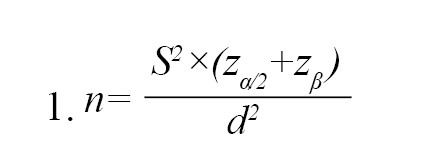
In Equation 1, Za/2 and Zβ were set at 1.96 and 0.84, respectively, corresponding to the significance level and statistical power. The margin of error (d) for estimating the mean of OC was set at 0.05. The standard deviation (S) of OC was estimated based on previous studies [10, 12, 20], which reported values of 0.44, 0.42, and 0.58, respectively.
To ensure a conservative estimate, the standard deviation used for the sample size calculation was set slightly higher than the maximum values reported in previous studies, at approximately S≈1.0. Based on this value and the parameters described above, the required sample size was calculated as 3136. After accounting for a 5% potential dropout rate, the final target sample size was set at 3340 participants, with approximately 100–110 individuals recruited from each province.
Sampling in each province was conducted using a simple random sampling method based on a framework provided by the provincial research correspondents. Only individuals who had participated in at least one relief operation within the previous 12 months were included in the sampling frame. Each relief worker was assigned a unique number from 1 to N, where N represents the total number of relief workers in the province. The random selection procedure, using a random number table, was explained to the provincial representatives. Specifically, 110 random numbers between 0 and 1 were generated and multiplied by the total population (N) to determine the participants from each province.
Questionnaires were completed until the predetermined sample size for each province was reached. Because the survey was administered online, a simultaneous editing rule was implemented: Participants could not proceed to the next question without answering the current one, ensuring that all items were completed. Consequently, the response rate for all questionnaire fields was 100%. To minimize potential biases and address any participant queries, the contact number of the principal investigator was provided to all provincial representatives.
After data collection and preparation, the information was exported from the main server to SPSS software, version 27 for analysis, which was conducted in two stages:
Statistical analysis
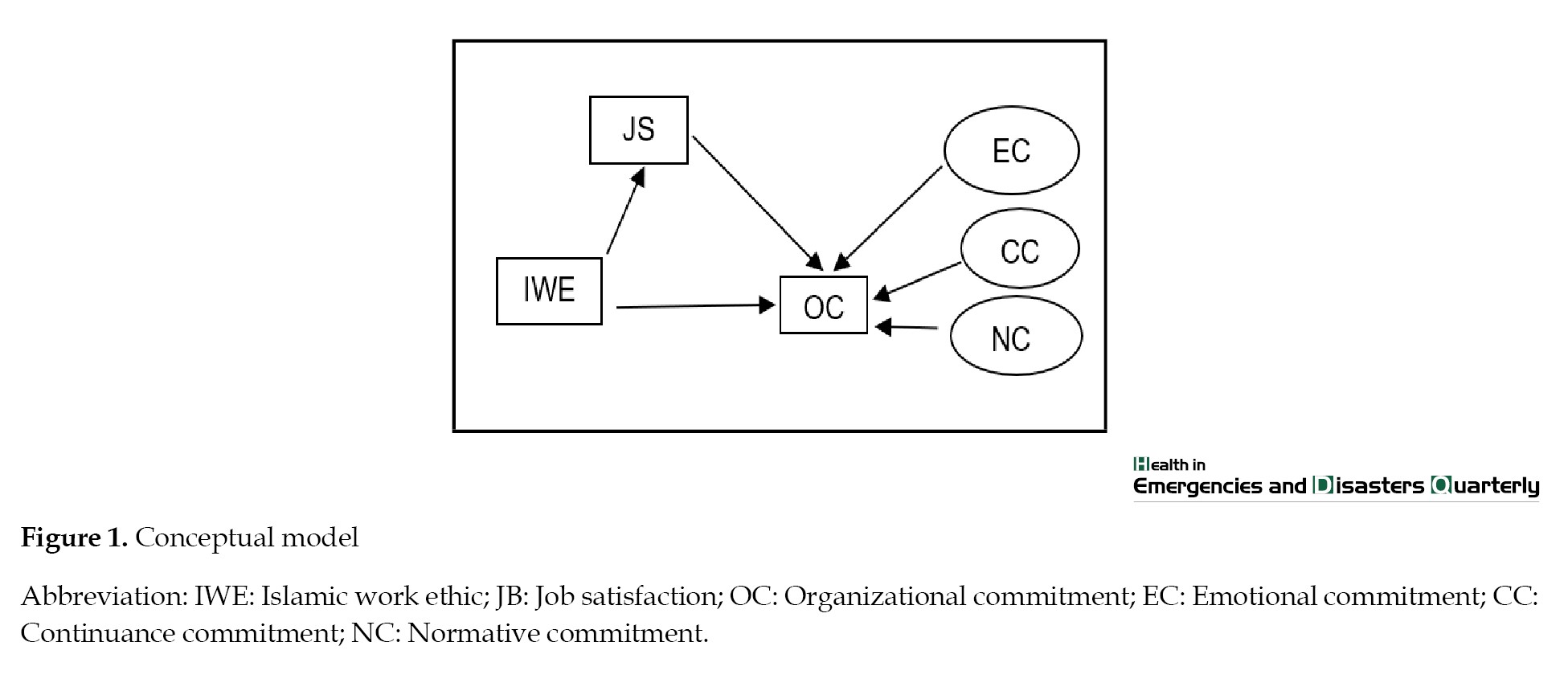
1) Descriptive statistics: Categorical variables were summarized using frequencies and percentages. Continuous variables were described using Mean±SD. The normality of continuous variables was assessed using the Kolmogorov-Smirnov test. Correlation analyses were conducted based on the distribution of the data, using either Pearson or Spearman correlation coefficients. One- and two-way frequency tables (crosstabs) and appropriate graphical representations were also used to describe the data. 2) Analytical statistics: The reliability of the questionnaires was evaluated using cronbach’s α. Associations between categorical variables were examined using the chi-square test or Fisher’s exact test, as appropriate. For continuous variables, comparisons of means or medians between two groups were conducted using independent t-tests or the Mann-Whitney U test, depending on the distribution of the data. Path Analysis was conducted using Lisrel version 8.0 to evaluate the fit of the conceptual model (Figure 1) and estimate the direct and indirect effects of IWE on OC and JS.
Work ethics refers to the set of principles, rules, and norms that guide behavior in the workplace to achieve organizational goals [1]. The behaviors and decisions of employees and managers in contemporary organizations, including educational institutions, are strongly influenced by their ethical values, which in turn can affect the effectiveness, efficiency, and overall quality of both individual and organizational performance [2].
A brief review indicates that work ethics encompasses concepts, such as individuals’ attitudes toward various aspects of work, including task prioritization, job involvement, attitudes toward monetary and non-monetary rewards, and aspirations for career advancement. In this context, the Protestant work ethic and Islamic work ethics (IWE) are often discussed together [3]. Both emphasize commitment, diligent and accurate work, and the avoidance of deception or harm to others in the pursuit of a livelihood. However, IWE places particular emphasis on individuals’ intentions, highlighting independence, legitimacy, and God-centered motives [4, 5].
In general, work ethics refers to a set of attitudes, values, and behaviors that promote workplace effectiveness, such as motivation, accountability, persistence, and career ambition. Traditional definitions are primarily grounded in philosophical, social, or rational frameworks and are largely secular in nature [6]. In contrast, IWE conceptualizes work within the framework of Islamic principles, viewing it not only as a means of livelihood but also as an act of worship intended to gain divine approval [6, 7].
Given the role of ethics in the workplace, and particularly the influence of work ethics on various dimensions of performance, researchers have extensively examined its relationship with job satisfaction (JS) [8–11]. Studies on IWE have identified several key outcomes, including JS, organizational culture, organizational commitment (OC), loyalty, and deviant workplace behaviors. Among these, JS and OC are most frequently emphasized due to their significance in human resource management within the social sector [8, 12]. JS, in particular, is a critical factor shaping employee behavior, and achieving it is a central objective of organizational planning, as it enhances both productivity and efficiency [13, 14].
For example, Monavarian et al. reported that IWE significantly influences employee performance and JS, with OC and JS serving as mediators [8]. Similarly, Yadegari et al. in a cross-sectional study, found a positive association between IWE and various dimensions of employee performance [9].
The red crescent society, as part of the International Red Cross and Red Crescent Movement (ICRC), operates within a strict ethical framework grounded in seven fundamental principles: Humanity, impartiality, neutrality, independence, voluntary service, unity, and universality [15]. In the context of this study, it is important to emphasize that the work of Red Crescent relief workers, as a vital component of the active workforce, is voluntary and primarily directed toward assisting others. Therefore, investigating the impact of adherence to ethical principles on OC and exploring its various dimensions are particularly significant [16].
Although previous studies have examined IWE across various organizational contexts, few have specifically focused on voluntary relief workers in humanitarian settings, such as the Red Crescent. This study sought to address this gap by investigating the direct and indirect effects of IWE on OC, with JS serving as a mediator, thereby underscoring its relevance in a voluntary and ethically driven context.
In this cross-sectional study, the direct effects of IWE on JS and OC among Iranian Red Crescent relief workers were assessed using path analysis. The study further examined the indirect effect of IWE on OC through JS, based on a proposed conceptual model. The four main research hypotheses are presented as follows:
H1: IWE has a positive and significant effect on OC. H2: IWE has a positive and significant effect on JS. H3: JS mediates the relationship between IWE and OC. H4: The proposed path analysis model demonstrates adequate fit and satisfactorily explains the relationships among the three main study variables.
Materials and Methods
This cross-sectional study was designed as a descriptive-analytical investigation with an applied purpose. The target population consisted of all relief workers of the Iranian Red Crescent Society across 31 provinces. Inclusion criteria required participants to provide informed consent, while individuals who declined participation were excluded. Data were collected through a survey using three validated questionnaires assessing IWE, OC, and JS.
Islamic work ethics
IWE was measured using the 18-item Islamic Work Ethics Questionnaire developed and validated by Golparvar and Nadi [3], which was adapted from the instrument originally introduced by Ali and Al-Kazemi [17]. Items were rated on a 5-point Likert scale, with several items reverse-scored.
Organizational commitment
OC was measured using the 24-item Allen and Meyer questionnaire [18], which encompasses three components. Responses were recorded on a 5-point Likert scale ranging from “strongly disagree” to “strongly agree” (Cronbach’s α=0.89).
Job satisfaction
JS was measured using the 19-item Berryfield and Roth Questionnaire, validated by Moghimi and Ramezan [19] (Cronbach’s α=0.89). All items were rated on a 5-point Likert scale. All three questionnaires have been extensively validated in previous behavioral science research. In the present study, their reliability was re-assessed using a pilot sample of 25 participants, yielding Cronbach’s α values of 0.88, 0.89, and 0.87, respectively.
Questionnaires were administered online via the Porsline platform. Links were distributed to participants through email, SMS, or messaging applications, such as Eitaa. Upon clicking the questionnaire link, participants were first presented with the study objectives, and those who provided informed consent were granted access to the main questions. Demographic information collected included age, gender, education, province of service, rescue experience, and type of disaster. A colleague from the Relief and Rescue Organization was responsible for distributing the questionnaire link to provincial representatives, who in turn forwarded it to randomly selected relief workers from their respective provinces. Wherever possible, approximately 100 relief workers from each province participated in completing the questionnaires. Path analysis was employed to examine the complex relationships among IWE, JS, and OC, allowing for simultaneous estimation of both direct and indirect effects and providing insight into the mediating role of JS.
Sample size determination
The sample size was calculated based on the primary study variable, OC, using G*Power software, version 3.1.9.5 and the Equation 1:
In Equation 1, Za/2 and Zβ were set at 1.96 and 0.84, respectively, corresponding to the significance level and statistical power. The margin of error (d) for estimating the mean of OC was set at 0.05. The standard deviation (S) of OC was estimated based on previous studies [10, 12, 20], which reported values of 0.44, 0.42, and 0.58, respectively.
To ensure a conservative estimate, the standard deviation used for the sample size calculation was set slightly higher than the maximum values reported in previous studies, at approximately S≈1.0. Based on this value and the parameters described above, the required sample size was calculated as 3136. After accounting for a 5% potential dropout rate, the final target sample size was set at 3340 participants, with approximately 100–110 individuals recruited from each province.
Sampling in each province was conducted using a simple random sampling method based on a framework provided by the provincial research correspondents. Only individuals who had participated in at least one relief operation within the previous 12 months were included in the sampling frame. Each relief worker was assigned a unique number from 1 to N, where N represents the total number of relief workers in the province. The random selection procedure, using a random number table, was explained to the provincial representatives. Specifically, 110 random numbers between 0 and 1 were generated and multiplied by the total population (N) to determine the participants from each province.
Questionnaires were completed until the predetermined sample size for each province was reached. Because the survey was administered online, a simultaneous editing rule was implemented: Participants could not proceed to the next question without answering the current one, ensuring that all items were completed. Consequently, the response rate for all questionnaire fields was 100%. To minimize potential biases and address any participant queries, the contact number of the principal investigator was provided to all provincial representatives.
After data collection and preparation, the information was exported from the main server to SPSS software, version 27 for analysis, which was conducted in two stages:
Statistical analysis
1) Descriptive statistics: Categorical variables were summarized using frequencies and percentages. Continuous variables were described using Mean±SD. The normality of continuous variables was assessed using the Kolmogorov-Smirnov test. Correlation analyses were conducted based on the distribution of the data, using either Pearson or Spearman correlation coefficients. One- and two-way frequency tables (crosstabs) and appropriate graphical representations were also used to describe the data. 2) Analytical statistics: The reliability of the questionnaires was evaluated using cronbach’s α. Associations between categorical variables were examined using the chi-square test or Fisher’s exact test, as appropriate. For continuous variables, comparisons of means or medians between two groups were conducted using independent t-tests or the Mann-Whitney U test, depending on the distribution of the data. Path Analysis was conducted using Lisrel version 8.0 to evaluate the fit of the conceptual model (Figure 1) and estimate the direct and indirect effects of IWE on OC and JS.
A significance level of 0.05 was applied for all statistical tests.
Conceptual model
The conceptual model examined in this study is presented in Figure 1.
Results
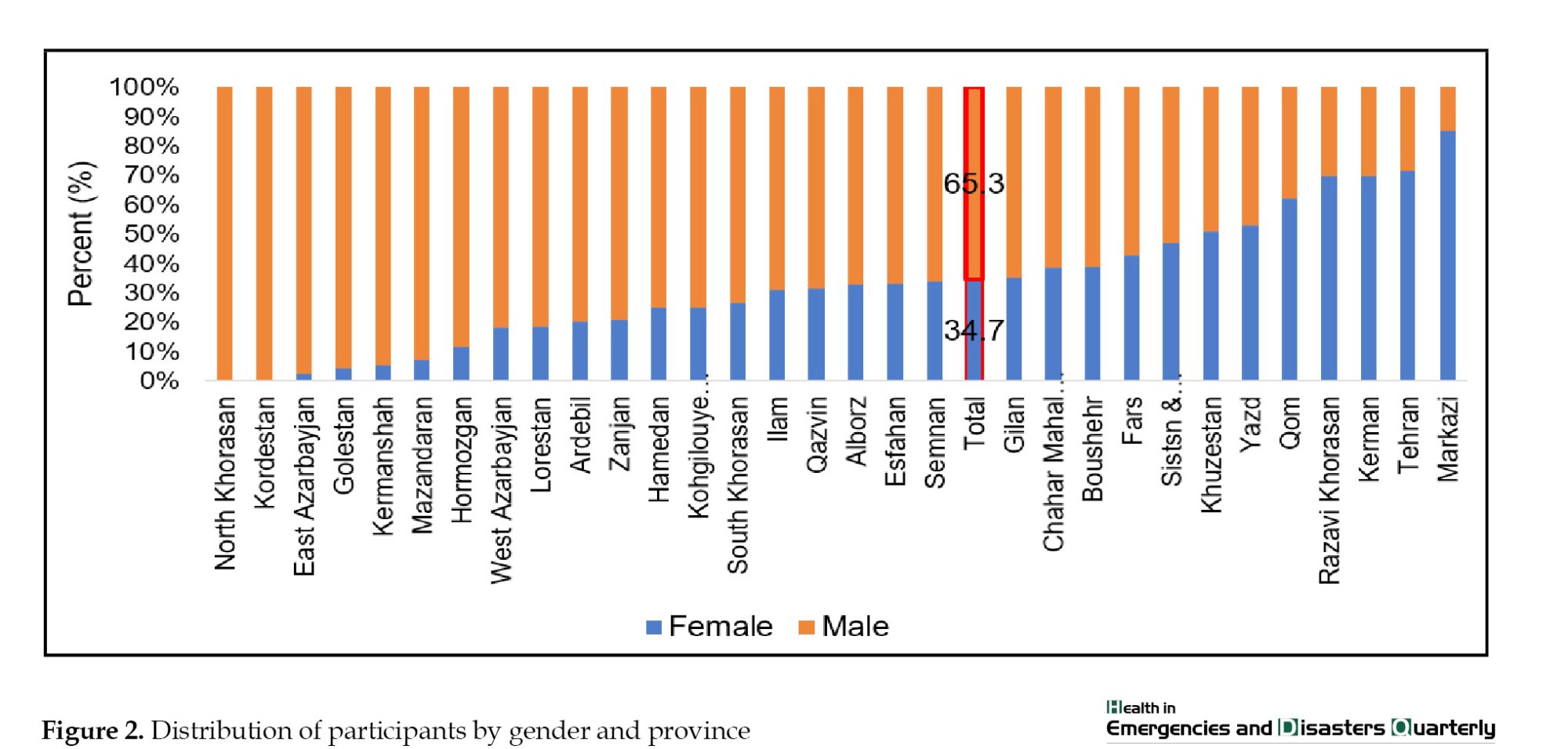
A total of 3399 questionnaires were completed across 31 provinces, comprising 2221 men (65.3%) and 1178 women (34.7%) (Table 1).
The target sample size of 100–110 questionnaires per province was achieved in all provinces except North Khorasan and Kordestan; however, the shortfall was offset by higher participation in other provinces.
The proportion of male relief workers exceeded that of females in 25 provinces. Female participation surpassed male participation only in six provinces, including Tehran, Qom, Khorasan Razavi, Kerman, Markazi, and Yazd (Figure 2).
Conceptual model
The conceptual model examined in this study is presented in Figure 1.
Results
A total of 3399 questionnaires were completed across 31 provinces, comprising 2221 men (65.3%) and 1178 women (34.7%) (Table 1).
The target sample size of 100–110 questionnaires per province was achieved in all provinces except North Khorasan and Kordestan; however, the shortfall was offset by higher participation in other provinces.
The proportion of male relief workers exceeded that of females in 25 provinces. Female participation surpassed male participation only in six provinces, including Tehran, Qom, Khorasan Razavi, Kerman, Markazi, and Yazd (Figure 2).
Relief workers had provided assistance during seventeen disasters, including road accidents, urban accidents, earthquakes, floods, mountain accidents, and landslides. The six most frequent types of incidents were road accidents, urban accidents, earthquakes, floods, mountain accidents, and landslides, with 2525, 2253, 1672, 1393, 1339, and 1290 incidents, respectively.
The youngest and oldest relief workers were 17 and 69 years old, respectively, with a mean age of 36.9±9.8 years. Rescue experience ranged from 1 to 36 years, with an average of 10.1±6.5 years. Regarding marital status, 1700 participants (50.0%) were married, 1636(48.1%) were single, and 63(1.9%) reported other statuses, such as widowed or divorced.
In terms of employment status, 2339 respondents (68.8%) served as volunteers, while 1060(31.2%) were formally employed. Educational levels were distributed as follows: Bachelor’s degree (1581; 46.5%), diploma (866; 25.5%), and associate degree (472; 13.9%), representing the largest proportions. Additionally, 140 participants (4.1%) had an education level below diploma level, and 340(10.0%) held a master’s or PhD degree. Among the 1763 respondents who were not single, 1153(65.4%) had children.
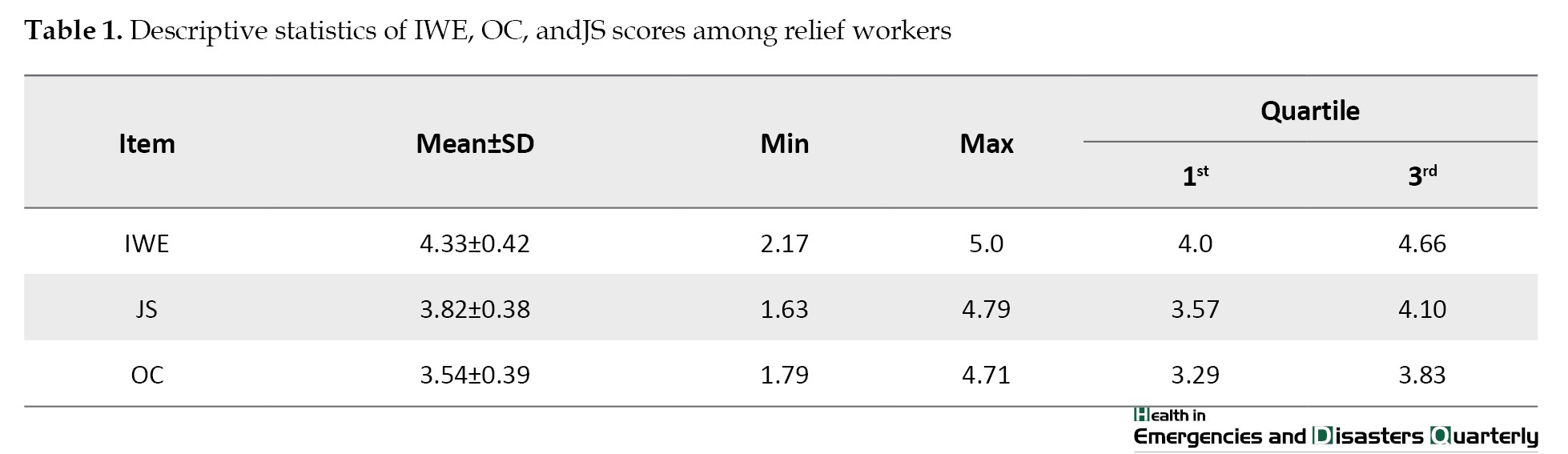
Table 1 presents the descriptive statistics of the main study variables, including IWE, JS, and OC. The average IWE score in 11 provinces exceeded the national mean (4.33), with Lorestan, Ilam, and Kermanshah ranking highest, each with a score of 4.43. The lowest scores were observed in Markazi, Kerman, and Razavi Khorasan, with averages of 4.14, 4.18, and 4.21, respectively.
Twelve provinces had an average JS score higher than the national average (3.82). West Azarbayjan, Sistan & Baluchestan, and Kermanshah ranked first through third, with the highest values of 3.96, 3.93, and 3.93, respectively. The provinces of Markazi, Yazd, and Qazvin had the lowest average JS scores, with values of 3.60, 3.66, and 3.68, respectively.
Twelve provinces had an average OC score higher than the national average (3.55). Kermanshah, West Azarbayjan, and Sistan & Baluchestan ranked first through third, with the highest values of 3.74, 3.71, and 3.67, respectively. The provinces of Markazi, Yazd, and Qazvin had the lowest average OC scores, with values of 3.30, 3.31, and 3.32, respectively. Table 2 shows the results of comparisons of the average scores for the three main study variables based on demographic characteristics, using nonparametric tests, including the Mann–Whitney and Kruskal–Wallis tests, based on mean ranks.
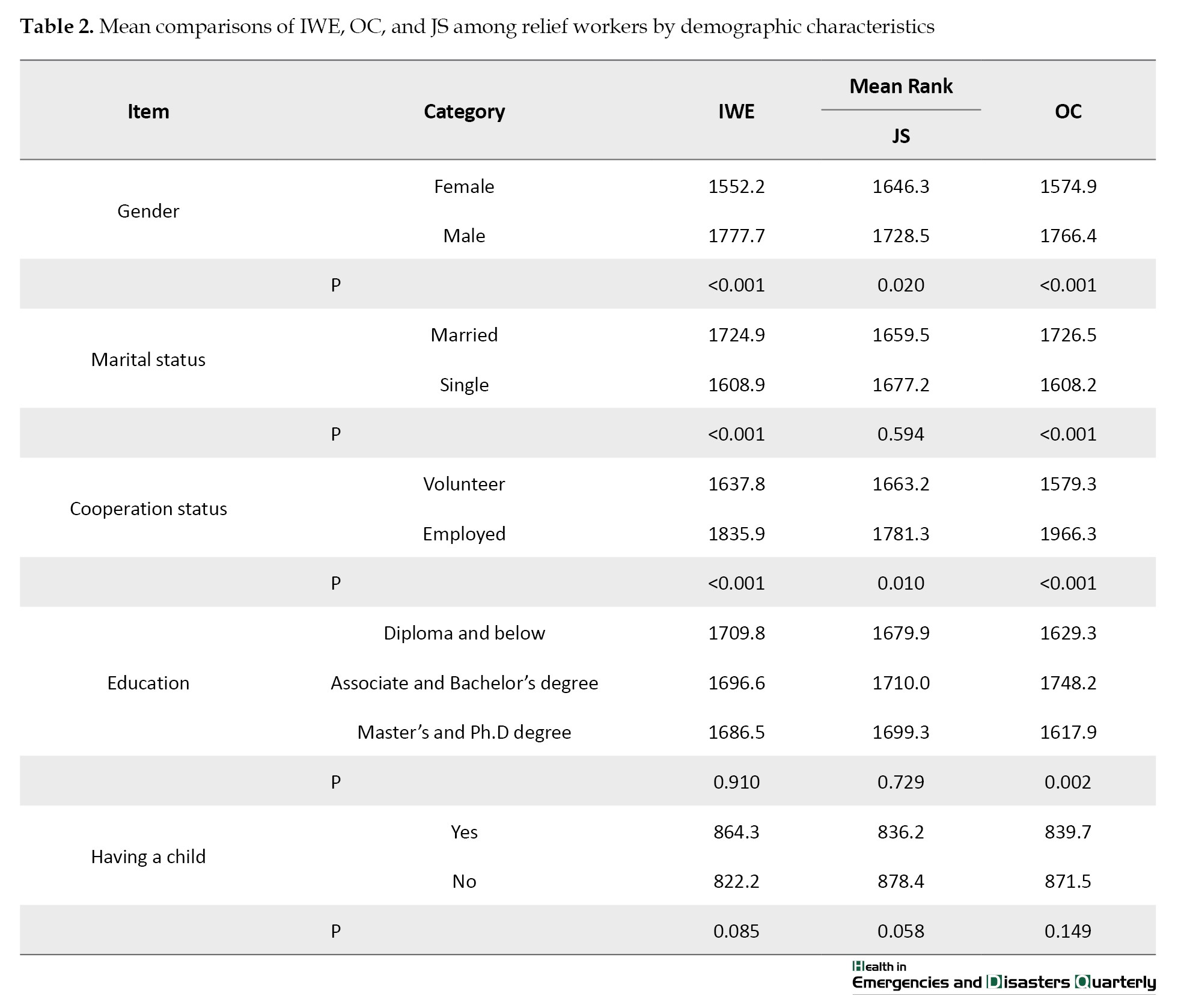
Men had significantly higher mean scores than women for all three variables: IWE, JS, and OC (Table 2) Married relief workers exhibited significantly higher average scores for IWE and OC compared to single participants, whereas JS did not differ significantly between the two groups.
Employed relief workers also had significantly higher mean scores than volunteers for all three main variables. Education level had no significant effect on the mean scores of IWE and JS; however, participants with a bachelor’s or associate degree showed significantly higher OC scores than those with other education levels. Among ever-married participants, having children did not significantly affect the mean scores for any of the three main variables (Table 2).
Table 3 presents the correlation coefficients among IWE, JS, and OC.
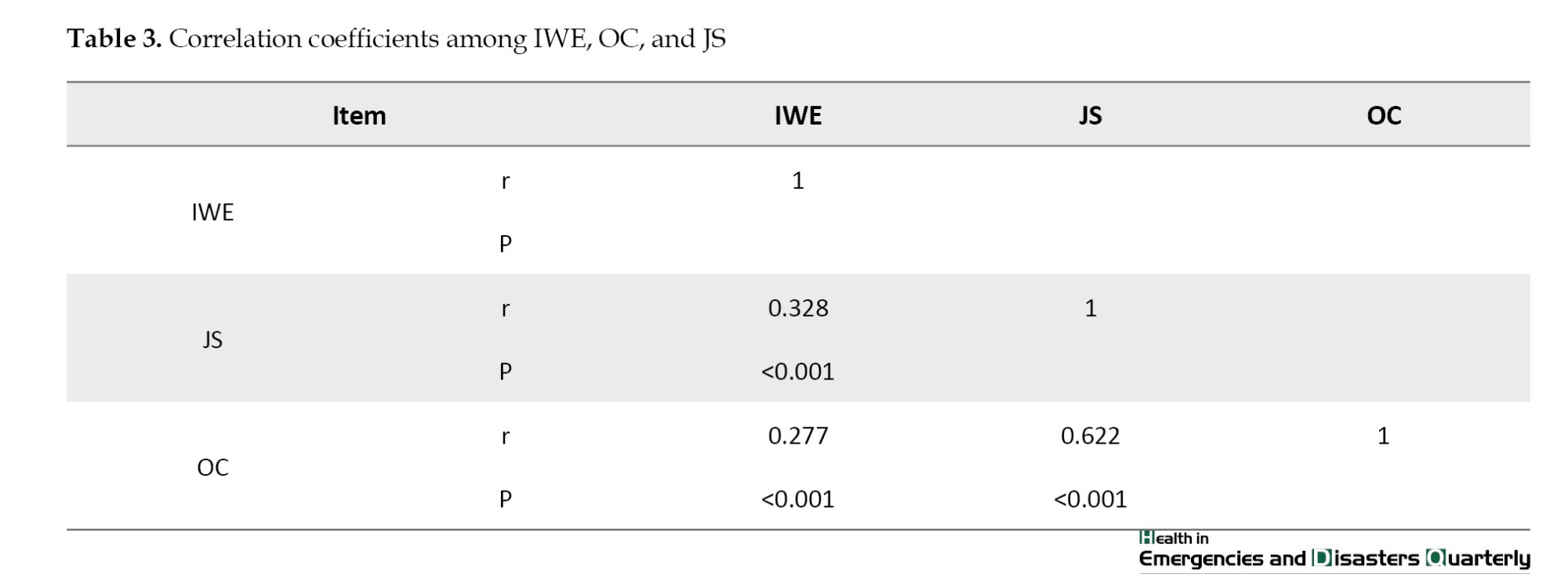
The results indicated a direct and significant relationship between relief workers’ IWE scores and both their JS and OC scores. The correlation coefficient between IWE and JS was r=+0.328, suggesting that higher adherence to IWE is associated with higher JS among relief workers. Similarly, the correlation between IWE and OC was r=+0.277, indicating that greater adherence to IWE is associated with higher OC. Additionally, JS was positively correlated with OC (r=+0.622), highlighting that higher levels of JS are strongly associated with increased commitment to the organization.
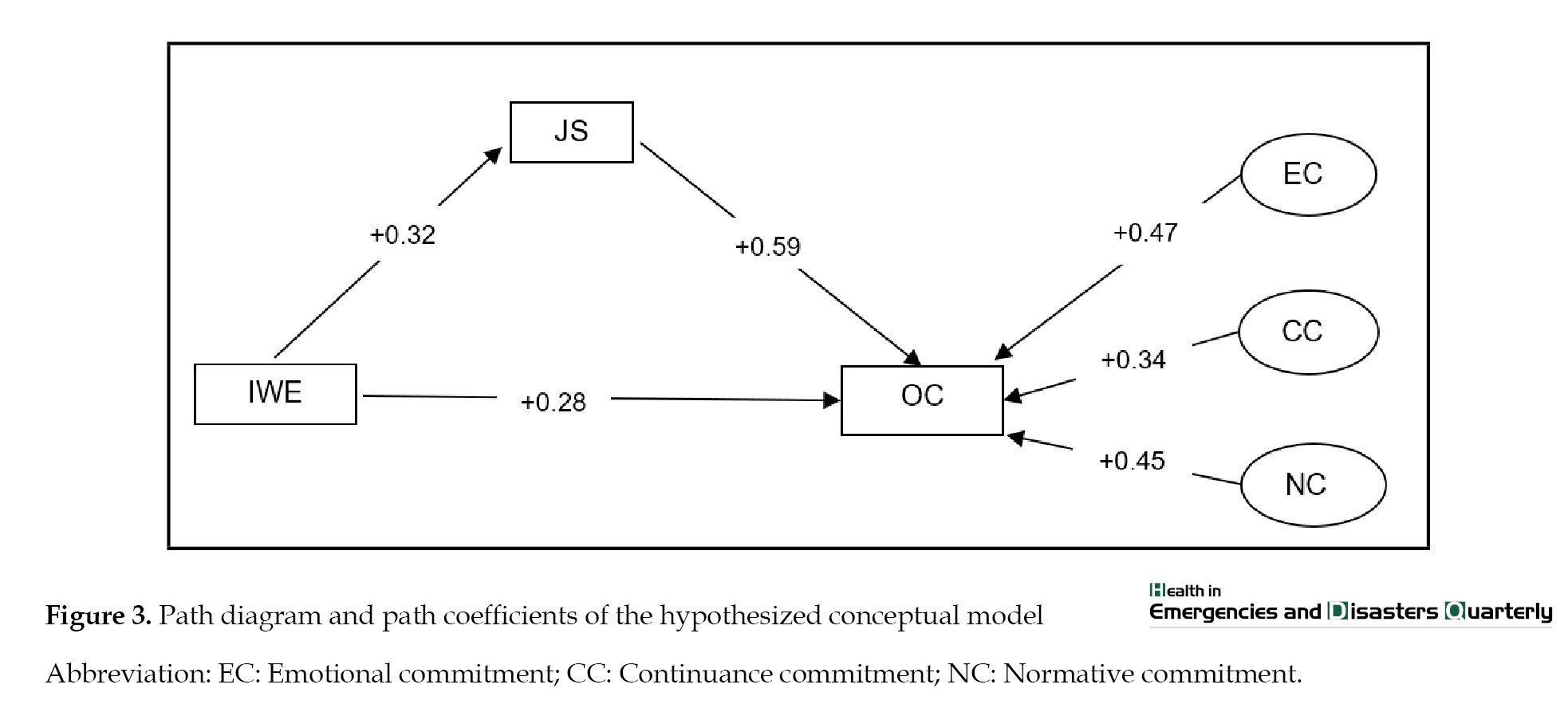
Based on the results of the correlation analysis among the main study variables (Table 3), the hypothesized conceptual model (Figure 1) was fitted and evaluated using LISREL software. The path coefficients and goodness-of-fit indices of the model are presented in Figure 3.
The youngest and oldest relief workers were 17 and 69 years old, respectively, with a mean age of 36.9±9.8 years. Rescue experience ranged from 1 to 36 years, with an average of 10.1±6.5 years. Regarding marital status, 1700 participants (50.0%) were married, 1636(48.1%) were single, and 63(1.9%) reported other statuses, such as widowed or divorced.
In terms of employment status, 2339 respondents (68.8%) served as volunteers, while 1060(31.2%) were formally employed. Educational levels were distributed as follows: Bachelor’s degree (1581; 46.5%), diploma (866; 25.5%), and associate degree (472; 13.9%), representing the largest proportions. Additionally, 140 participants (4.1%) had an education level below diploma level, and 340(10.0%) held a master’s or PhD degree. Among the 1763 respondents who were not single, 1153(65.4%) had children.
Table 1 presents the descriptive statistics of the main study variables, including IWE, JS, and OC. The average IWE score in 11 provinces exceeded the national mean (4.33), with Lorestan, Ilam, and Kermanshah ranking highest, each with a score of 4.43. The lowest scores were observed in Markazi, Kerman, and Razavi Khorasan, with averages of 4.14, 4.18, and 4.21, respectively.
Twelve provinces had an average JS score higher than the national average (3.82). West Azarbayjan, Sistan & Baluchestan, and Kermanshah ranked first through third, with the highest values of 3.96, 3.93, and 3.93, respectively. The provinces of Markazi, Yazd, and Qazvin had the lowest average JS scores, with values of 3.60, 3.66, and 3.68, respectively.
Twelve provinces had an average OC score higher than the national average (3.55). Kermanshah, West Azarbayjan, and Sistan & Baluchestan ranked first through third, with the highest values of 3.74, 3.71, and 3.67, respectively. The provinces of Markazi, Yazd, and Qazvin had the lowest average OC scores, with values of 3.30, 3.31, and 3.32, respectively. Table 2 shows the results of comparisons of the average scores for the three main study variables based on demographic characteristics, using nonparametric tests, including the Mann–Whitney and Kruskal–Wallis tests, based on mean ranks.
Men had significantly higher mean scores than women for all three variables: IWE, JS, and OC (Table 2) Married relief workers exhibited significantly higher average scores for IWE and OC compared to single participants, whereas JS did not differ significantly between the two groups.
Employed relief workers also had significantly higher mean scores than volunteers for all three main variables. Education level had no significant effect on the mean scores of IWE and JS; however, participants with a bachelor’s or associate degree showed significantly higher OC scores than those with other education levels. Among ever-married participants, having children did not significantly affect the mean scores for any of the three main variables (Table 2).
Table 3 presents the correlation coefficients among IWE, JS, and OC.
The results indicated a direct and significant relationship between relief workers’ IWE scores and both their JS and OC scores. The correlation coefficient between IWE and JS was r=+0.328, suggesting that higher adherence to IWE is associated with higher JS among relief workers. Similarly, the correlation between IWE and OC was r=+0.277, indicating that greater adherence to IWE is associated with higher OC. Additionally, JS was positively correlated with OC (r=+0.622), highlighting that higher levels of JS are strongly associated with increased commitment to the organization.
Based on the results of the correlation analysis among the main study variables (Table 3), the hypothesized conceptual model (Figure 1) was fitted and evaluated using LISREL software. The path coefficients and goodness-of-fit indices of the model are presented in Figure 3.
All path coefficients from IWE and JS to OC were positive and significant (+0.282 and +0.595, respectively; P<0.05), with an R²=0.687, indicating a large effect size for this regression path. The indirect effect of IWE on OC via JS was also positive (+0.204; calculated as 0.328×0.595), resulting in a total effect of +0.486 on OC. Among the three components of OC, emotional commitment, normative commitment, and continuance commitment contributed the most to the overall construct, with path coefficients of 0.472, 0.451, and 0.341, respectively.
Table 4 presents the path coefficients and goodness-of-fit indices for the conceptual model among all participants and separately for employed and volunteer relief workers.
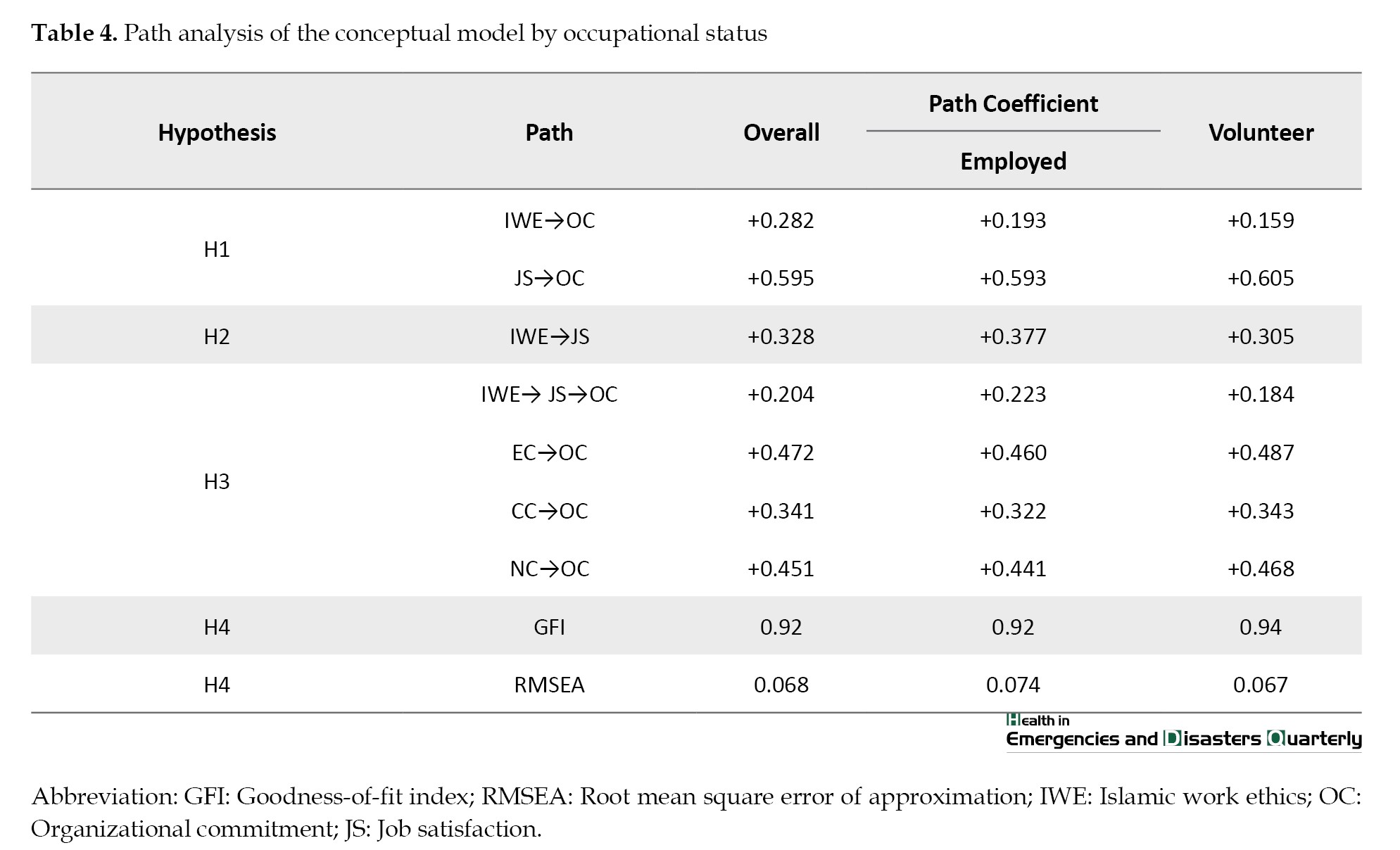
All fitted models demonstrated acceptable goodness-of-fit indices, with GFI values exceeding 0.9 for the overall sample, employed group, and volunteer group (0.92, 0.92, and 0.94, respectively). The direct effect of IWE on OC was positive and significant for both employed and volunteer relief workers, with path coefficients of 0.193 and 0.159, respectively.
Discussion
The aim of this study was to investigate the effect of IWE on OC among Red Crescent relief workers, considering the mediating role of JS. IWE demonstrated a positive and significant direct effect on OC in the total sample and among both volunteer and employed relief workers, with path coefficients of +0.284, +0.159, and +0.193, respectively. These findings confirm the first hypothesis (H1) of this study, which posited a positive and significant effect of IWE on OC.
Smadi et al. conducted a similar study investigating the role of IWE in the relationship between JS and performance among healthcare professionals in emergency departments in Jordan’s middle district [21]. They reported a significant direct effect of IWE on job performance (+0.71). Gustiawan examined how IWE affects thriving at work and employee commitment among employees in Jakarta, Indonesia [22]. A strong, positive, and significant correlation (+0.317) confirmed the association between IWE and employee commitment. Additionally, a regression analysis showed a direct positive effect of IWE on employee commitment (+0.121), which aligns with the results of the present study.
Rubbab et al. in a cross-sectional study of employees in Pakistan’s health sector, examined changes in OC through IWE by assessing felt obligation [23]. They reported positive direct correlations between IWE and felt obligation (+0.540) and a direct effect of IWE on felt obligation (+0.680). Another study among Muslim employees in three stone milling companies in Central Java, Indonesia, demonstrated a direct effect of IWE on employee commitment (+0.220) [24].
The second hypothesis (H2) of the present study was also confirmed, showing a positive, direct, and significant effect of IWE on JS with a path coefficient of +0.328. This indicates that higher IWE scores among Red Crescent Society relief workers are associated with greater JS in relief activities.
Comparable findings have been reported in other contexts. For instance, El-Ghorra and Panatik observed a direct effect of +0.291 between IWE and JS among managers [25]. Similarly, a strong correlation (+0.796) between IWE and JS was found among Malaysian teachers and school staff, further supporting the robust relationship between these variables across different societies [26].
In an earlier study, Wahibur examined an Islamic microfinance institution in Demak Regency, Central Java, Indonesia, and reported both a correlation (+0.360) and a strong positive effect of ethics on satisfaction (+0.749), consistent with the confirmation of H2 [27]. Furthermore, Indonesian employees at Islamic banking institutions in Bandar Lampung who exhibited higher IWE reported greater JS, with a correlation of +0.694 [28].
The indirect effect of IWE on OC through JS (H3) was supported, with an indirect effect of +0.204. Monavarian et al. reported a very similar indirect effect (+0.200) of IWE on OC [8]. Although some other studies also discussed this relationship, they did not explicitly report the indirect effect value [8, 13, 14, 20].
The fourth hypothesis (H4) examined the overall goodness of fit of the proposed conceptual path model, which included the relationships among the three key variables. The model demonstrated a high level of goodness of fit, indicating strong and favorable relationships among IWE, OC, and JS among relief workers across the country. The RMSEA and GFI values were 0.068 and 0.920, respectively, strongly supporting H4. Similar studies involving the same three variables reported RMSEA values of 0.077 and 0.068 and a GFI of 0.89, further emphasizing the suitability of path analysis for testing all four hypotheses [8, 20].
The relationships among JS, OC, and IWE have been investigated across various populations, including industrial workers [9], educational staff [11], university personnel [20], oil company employees [3], and Red Crescent relief workers [14]. A positive and significant effect of work ethics on OC has been consistently observed across these groups, particularly among Red Crescent relief workers, as reported by Ghanbari et al. [14].
Relief work inherently involves serving people in need and requires a combination of personal values, character, education, and, most importantly, a willingness to take risks to save lives [29]. Beyond professional and educational preparation, relief workers must uphold high ethical standards. Globally, a significant portion of relief and rescue operations are performed by volunteer rescuers and relief personnel [16, 30]. In the Red Crescent Society, relief activities are grounded in volunteerism and guided by principles of humanity, impartiality, and public service, which extend beyond mere employment within the organization.
As reported, the average score of IWE among Iranian relief workers was 4.33, close to the maximum value of 5, indicating a desirable level of adherence to ethical principles. This high level of ethical commitment also demonstrated a strong positive effect on JS. Accordingly, organizations should adopt various strategies to further strengthen ethical principles and interpersonal relationships, such as teaching ethical guidelines, establishing ethical committees, and developing organizational ethical standards. These measures can help ensure that employees cooperate with their colleagues, act with integrity and honesty in their work, and demonstrate consideration and respect toward others.
Although JS was examined as a mediator in this study, other organizational and individual factors may also play mediating or moderating roles in the relationship between IWE and OC. For example, organizational culture can either strengthen or weaken the effects of IWE on commitment by shaping ethical norms and expected behaviors. Similarly, leadership style and the manner in which employees are supported and guided—particularly in voluntary settings—may moderate the relationship between work ethics and commitment. Furthermore, perceived organizational support and individual motivation may play crucial roles in amplifying or diminishing the impact of IWE.
Given the voluntary nature of relief work in the Red Crescent Society, ethical and spiritual motivations are particularly salient. Investigating these factors in future studies could provide a more comprehensive understanding of the mechanisms through which IWE influence OC and could guide policymakers and managers in developing practical strategies to enhance commitment, motivation, and retention among volunteer relief workers.
Conclusion
This study found that IWE positively influences both OC and JS among relief workers. Given this positive relationship, it is recommended that IWE indicators be incorporated into the selection criteria for recruiting relief workers and rescuers to promote high performance and attract highly qualified individuals who are ethically aligned with the organization, thereby enhancing the overall effectiveness of the Red Crescent Society.
Furthermore, managers and policymakers of the Red Crescent should actively promote ethical values among employees by shaping their cognition, attitudes, and behaviors and fostering belief in and commitment to both ethical and organizational principles. These efforts can enhance ethical conduct and overall work performance. The commitment of senior managers and leaders to practicing IWE can serve as a powerful motivator for relief workers to internalize and apply these values. Several strategies can be implemented to further strengthen IWE, including:
Conducting workshops and training sessions, such as “ethics in emergency situations” and “ethical decision-making in crisis”; creating a spiritual and ethically supportive atmosphere at relief bases; and Establishing monitoring and reward systems for employees who demonstrate ethical behavior and decision-making in critical situations. Implementing these strategies can increase motivation, enhance performance, and help institutionalize IWE within the Red Crescent Society and other humanitarian organizations. Additionally, previous research has suggested a link between work ethics and mental health. Therefore, investigating the mental health status and psychological characteristics of relief workers is recommended as a valuable direction for future research.
Strengths and limitations
This study was conducted across all provinces of Iran, providing a comprehensive overview of Iranian relief workers. However, the findings are grounded in Iranian cultural and social contexts; therefore, generalization to other countries should be approached with caution. Future studies conducted in other nations should carefully consider cultural and social differences when designing the study and measuring the main variables.
Ethical Considerations
Compliance with ethical guidelines
This study was approved by the Ethics Committee of the Education, Research, and Technology Division of the Iranian Red Crescent Society, Tehran, Iran (Code: IR.RCS.REC.1402.024).
Funding
This research did not receive any funding from public, commercial, or non-profit organizations.
Acknowledgments
This work would not have been possible without the professional support and cooperation of colleagues in the Relief and Rescue Organization of the Iranian Red Crescent Society during the data collection phase. We express our deepest gratitude to the following individuals: Babak Mahmoudi (Head of Relief and Rescue Organization), Mojtaba Emamian (Deputy Director of Planning, Empowerment, and Skill Development), Mehdi Khalafi (Expert in Capacity Building, Monitoring, and Evaluation Design), and Siyavash Gholami (Deputy General Manager of Empowerment and Skill Development).
Table 4 presents the path coefficients and goodness-of-fit indices for the conceptual model among all participants and separately for employed and volunteer relief workers.
All fitted models demonstrated acceptable goodness-of-fit indices, with GFI values exceeding 0.9 for the overall sample, employed group, and volunteer group (0.92, 0.92, and 0.94, respectively). The direct effect of IWE on OC was positive and significant for both employed and volunteer relief workers, with path coefficients of 0.193 and 0.159, respectively.
Discussion
The aim of this study was to investigate the effect of IWE on OC among Red Crescent relief workers, considering the mediating role of JS. IWE demonstrated a positive and significant direct effect on OC in the total sample and among both volunteer and employed relief workers, with path coefficients of +0.284, +0.159, and +0.193, respectively. These findings confirm the first hypothesis (H1) of this study, which posited a positive and significant effect of IWE on OC.
Smadi et al. conducted a similar study investigating the role of IWE in the relationship between JS and performance among healthcare professionals in emergency departments in Jordan’s middle district [21]. They reported a significant direct effect of IWE on job performance (+0.71). Gustiawan examined how IWE affects thriving at work and employee commitment among employees in Jakarta, Indonesia [22]. A strong, positive, and significant correlation (+0.317) confirmed the association between IWE and employee commitment. Additionally, a regression analysis showed a direct positive effect of IWE on employee commitment (+0.121), which aligns with the results of the present study.
Rubbab et al. in a cross-sectional study of employees in Pakistan’s health sector, examined changes in OC through IWE by assessing felt obligation [23]. They reported positive direct correlations between IWE and felt obligation (+0.540) and a direct effect of IWE on felt obligation (+0.680). Another study among Muslim employees in three stone milling companies in Central Java, Indonesia, demonstrated a direct effect of IWE on employee commitment (+0.220) [24].
The second hypothesis (H2) of the present study was also confirmed, showing a positive, direct, and significant effect of IWE on JS with a path coefficient of +0.328. This indicates that higher IWE scores among Red Crescent Society relief workers are associated with greater JS in relief activities.
Comparable findings have been reported in other contexts. For instance, El-Ghorra and Panatik observed a direct effect of +0.291 between IWE and JS among managers [25]. Similarly, a strong correlation (+0.796) between IWE and JS was found among Malaysian teachers and school staff, further supporting the robust relationship between these variables across different societies [26].
In an earlier study, Wahibur examined an Islamic microfinance institution in Demak Regency, Central Java, Indonesia, and reported both a correlation (+0.360) and a strong positive effect of ethics on satisfaction (+0.749), consistent with the confirmation of H2 [27]. Furthermore, Indonesian employees at Islamic banking institutions in Bandar Lampung who exhibited higher IWE reported greater JS, with a correlation of +0.694 [28].
The indirect effect of IWE on OC through JS (H3) was supported, with an indirect effect of +0.204. Monavarian et al. reported a very similar indirect effect (+0.200) of IWE on OC [8]. Although some other studies also discussed this relationship, they did not explicitly report the indirect effect value [8, 13, 14, 20].
The fourth hypothesis (H4) examined the overall goodness of fit of the proposed conceptual path model, which included the relationships among the three key variables. The model demonstrated a high level of goodness of fit, indicating strong and favorable relationships among IWE, OC, and JS among relief workers across the country. The RMSEA and GFI values were 0.068 and 0.920, respectively, strongly supporting H4. Similar studies involving the same three variables reported RMSEA values of 0.077 and 0.068 and a GFI of 0.89, further emphasizing the suitability of path analysis for testing all four hypotheses [8, 20].
The relationships among JS, OC, and IWE have been investigated across various populations, including industrial workers [9], educational staff [11], university personnel [20], oil company employees [3], and Red Crescent relief workers [14]. A positive and significant effect of work ethics on OC has been consistently observed across these groups, particularly among Red Crescent relief workers, as reported by Ghanbari et al. [14].
Relief work inherently involves serving people in need and requires a combination of personal values, character, education, and, most importantly, a willingness to take risks to save lives [29]. Beyond professional and educational preparation, relief workers must uphold high ethical standards. Globally, a significant portion of relief and rescue operations are performed by volunteer rescuers and relief personnel [16, 30]. In the Red Crescent Society, relief activities are grounded in volunteerism and guided by principles of humanity, impartiality, and public service, which extend beyond mere employment within the organization.
As reported, the average score of IWE among Iranian relief workers was 4.33, close to the maximum value of 5, indicating a desirable level of adherence to ethical principles. This high level of ethical commitment also demonstrated a strong positive effect on JS. Accordingly, organizations should adopt various strategies to further strengthen ethical principles and interpersonal relationships, such as teaching ethical guidelines, establishing ethical committees, and developing organizational ethical standards. These measures can help ensure that employees cooperate with their colleagues, act with integrity and honesty in their work, and demonstrate consideration and respect toward others.
Although JS was examined as a mediator in this study, other organizational and individual factors may also play mediating or moderating roles in the relationship between IWE and OC. For example, organizational culture can either strengthen or weaken the effects of IWE on commitment by shaping ethical norms and expected behaviors. Similarly, leadership style and the manner in which employees are supported and guided—particularly in voluntary settings—may moderate the relationship between work ethics and commitment. Furthermore, perceived organizational support and individual motivation may play crucial roles in amplifying or diminishing the impact of IWE.
Given the voluntary nature of relief work in the Red Crescent Society, ethical and spiritual motivations are particularly salient. Investigating these factors in future studies could provide a more comprehensive understanding of the mechanisms through which IWE influence OC and could guide policymakers and managers in developing practical strategies to enhance commitment, motivation, and retention among volunteer relief workers.
Conclusion
This study found that IWE positively influences both OC and JS among relief workers. Given this positive relationship, it is recommended that IWE indicators be incorporated into the selection criteria for recruiting relief workers and rescuers to promote high performance and attract highly qualified individuals who are ethically aligned with the organization, thereby enhancing the overall effectiveness of the Red Crescent Society.
Furthermore, managers and policymakers of the Red Crescent should actively promote ethical values among employees by shaping their cognition, attitudes, and behaviors and fostering belief in and commitment to both ethical and organizational principles. These efforts can enhance ethical conduct and overall work performance. The commitment of senior managers and leaders to practicing IWE can serve as a powerful motivator for relief workers to internalize and apply these values. Several strategies can be implemented to further strengthen IWE, including:
Conducting workshops and training sessions, such as “ethics in emergency situations” and “ethical decision-making in crisis”; creating a spiritual and ethically supportive atmosphere at relief bases; and Establishing monitoring and reward systems for employees who demonstrate ethical behavior and decision-making in critical situations. Implementing these strategies can increase motivation, enhance performance, and help institutionalize IWE within the Red Crescent Society and other humanitarian organizations. Additionally, previous research has suggested a link between work ethics and mental health. Therefore, investigating the mental health status and psychological characteristics of relief workers is recommended as a valuable direction for future research.
Strengths and limitations
This study was conducted across all provinces of Iran, providing a comprehensive overview of Iranian relief workers. However, the findings are grounded in Iranian cultural and social contexts; therefore, generalization to other countries should be approached with caution. Future studies conducted in other nations should carefully consider cultural and social differences when designing the study and measuring the main variables.
Ethical Considerations
Compliance with ethical guidelines
This study was approved by the Ethics Committee of the Education, Research, and Technology Division of the Iranian Red Crescent Society, Tehran, Iran (Code: IR.RCS.REC.1402.024).
Funding
This research did not receive any funding from public, commercial, or non-profit organizations.
Acknowledgments
This work would not have been possible without the professional support and cooperation of colleagues in the Relief and Rescue Organization of the Iranian Red Crescent Society during the data collection phase. We express our deepest gratitude to the following individuals: Babak Mahmoudi (Head of Relief and Rescue Organization), Mojtaba Emamian (Deputy Director of Planning, Empowerment, and Skill Development), Mehdi Khalafi (Expert in Capacity Building, Monitoring, and Evaluation Design), and Siyavash Gholami (Deputy General Manager of Empowerment and Skill Development).
References
- Zarei Matin H, Hamidi zadeh A, Haj karimi F. [Islamic Work Ethics (Persian)]. Qom: Adyan Publication; 2018. [Link]
- Tatari E, Kouzehchian H, Khatibzadeh M. [An Investigation of the Role of Work Ethics in Job Satisfaction in Physical Education Teachers (Persian)]. Sport Management Journal. 2016; 8(1):37-50. [DOI:10.22059/jsm.2016.58228]
- Golparvar M, Nadi MA. [Mediating role of organizational loyalty in relation between work ethic with deviant workplace behavior (Persian)].The journal of Ethics in Science and Technology. 2011; 6(1):43-53. [Link]
- Yousef DA. The Islamic Work Ethic as A Mediator of the Relationship between Locus of Control, Role Conflict and Role Ambiguity, A Study in An Islamic Country Setting. Journal of Managerial Psychology. 2001; 15(4):283-98. [DOI:10.1108/02683940010330966]
- Rokhman W. The Effect of Islamic Work Ethics on Work Outcomes. Electronic Journal of Business Ethics and Organization Studies. 2010; 15(1):21-7. [Link]
- Noor Aflah K, Suharnomo S, Mas’ud F, Mursid A. Islamic Work Ethics and Employee Performance: The Role of Islamic Motivation, Affective Commitment, and Job Satisfaction. Journal of Asian Finance, Economics and Business. 2021; 8(1):997-1007.
- Raies A. Islamic work ethics as a key engine of endogenous economic growth. Islamic Economic Studies. 2022; 29(2):86-99. [DOI:10.1108/IES-02-2021-0009]
- Monavarian A, Mohammadi Fateh E, Mohammadi Fateh AA. [The Impact of Islamic Work Ethics on Job Performance with the Mediating Roles of Organizational Commitment and Job Satisfaction (Persian)]. Management and Development Process. 2018; 31(1):57-82. [Link]
- Yadegari R, Rahmani K, Modarres Khiyabani F. [Investigating the Relationship between Islamic Labor Ethics and the Organizational Commitment of Employees and Its Impact on the Functional Dimensions of Industrial Clusters (Case Study: oil, Gas and Petrochemistry Industrial Clusters in Markazi Province (Persian)]. Quarterly Ethical Research. 2019; 9(34):315-30. [Link]
- Asadi M, Shirzad M. [The role of Islamic work ethics in organizational culture and commitment (Persian)]. Journal of Studies in Religion, Spirituality & Management. 2012; 1(2):133-50. [Link]
- Heydari M. [The relationship between Islamic work ethics and adaptive performance with the mediating role of innovative work behavior and the moderating role of ethical leadership. (Persian)]. Human Capital Empowerment. 2020; 3(4):283-98. [Link]
- Samadi Miarkolaei H, Samadi Miarkolaei H. [The promotion of organizational commitment in NGOs: explaining the role of occupational satisfaction using structural equation model (Persian)]. Journal of Sociology of Social Institutions. 2017; 3(8):133- 57. [Link]
- Keshavarz Turk E, Nikooy M. [Investigating Factors Affecting the Job Satisfaction of Red Crescent Employees with a Strategic Foresight Approach (Persian)]. Journal of Rescue and Relief. 2016; 8(1&2):77-90. [Link]
- Ghanbari S, Khoshkhouei M , Hendi SM, Namdari Pejma M. [The Analysis of Relationship between Job Satisfaction & Organizational Commitment in the staff of Hamadan Red Crescent Society (Persian)]. Journal of Rescue and Relief. 2013; 5(1):40-54. [Link]
- Odigbo Iji G. Principles of humanitarian actions: A comprehensive examination. ScienceOpen Preprints. 2025; 1-19. [Link]
- Emrich E, Pierdzioch C. The Internet and the Commitment of Volunteers: Empirical Evidence for the Red cross. Nonprofit and Voluntary Sector Quarterly. 2016; 45(5):1013-30. [DOI:10.1177/0899764015624980]
- Ali AJ, Al-Kazemi AA. Islamic work ethic in Kuwait. Cross Cultural Management: An International Journal. 2007; 14(2):93-104. [DOI:10.1108/13527600710745714]
- Meyer JP, Allen NJ, Smith C. Commitment to organizations and occupations: Extension and test of a three-component conceptualization. Journal of Applied Psychology. 1993; 78:538-51. [DOI:10.1037/0021-9010.78.4.538]
- Moghimi SM, Ramezan M. [Knowledge management and information technology (Persian)]. Tehran: Tehran Rahdan; 2011. [Link]
- Hasani M, Heydari Zade Z, Ghasem Zade A. The study of the role and effect of islamic work ethics and organizational culture on the job satisfaction and organizational commitment of Shahid Chamran University Staff. Scientific Journal of Islamic Management. 2008; 20(2):9-32. [Link]
- AL Smadi A, Amaran S, Abugabah A, Alqudah N. An examination of the mediating effect of Islamic Work Ethic (IWE) on the relationship between job satisfaction and job performance in Arab work environment. International Journal of Cross-Cultural Management. 2022; 23(1):59-77. [DOI:10.1177/14705958221120343]
- Gustiawan D. How Islamic work ethics affect thriving at work and employee commitment. Journal of Islamic Management and Business. 2024; 6(2):143-56. [DOI:10.36407/serambi.v6i2.1219]
- Rubbab U, Irshad M, Abid S, Ejaz S, Ejaz, Hossain MB. Examining the impact of Islamic work ethics on employee voice behavior: Mediating effect of felt obligation for constructive change and moderating role of sanctification of work. Cogent Psychology. 2024; 11(1). [DOI:10.1080/23311908.2024.2348860]
- Udin U. Ethical leadership and employee performance: The role of Islamic work ethics and knowledge sharing. Human Systems Management. 2024; 43(1):51-63. [DOI:10.3233/HSM-220197]
- El-Ghorra MH, Panatik SA. The effect of psychological contract breach on counterproductive work behavior mediated by job satisfaction and moderated by Islamic work ethics. International Journal of Management Studies. 2023; 30(1):121-46. [DOI:10.32890/ijms2023.30.1.5]
- Yusof QB, Yusof NS, Abbas RB. The effect of Islamic work ethics on job satisfaction in organization; a study in Sekolah Rendah Islam Indera Mahkota (Sri Abim), Kuantan. Journal of Global Business and Social Entrepreneurship (GBSE). 2017; 1(3):46-61. [Link]
- Wahibur R. The effect of Islamic work ethics on work outcomes. Electronic Journal of Business Ethics and Organization Studies. 2010; 15(1):21-8. [Link]
- Hayati K, Caniago I. Islamic work ethic: The role of intrinsic motivation, job satisfaction, organizational commitment and job performance. Procedia-Social and Behavioral Sciences. 2012; 65:1102-6. [DOI:10.1016/j.sbspro.2014.05.148]
- Kavan S. Ethical aspects of the work of rescuers during extraordinary events. The Social Sciences. 2015; 10(6):684-90. [Link]
- Stephanie LS, Celatha JG. Bittersweet and Paradoxical: Disaster Response Volunteering with the American Red Cross. Nonprofit Management and Leadership. 2016; 27(3):353-69. [DOI:10.1002/nml.21250]
Type of article: Research |
Subject:
Relief teams
Received: 2025/07/10 | Accepted: 2025/10/26 | Published: 2026/09/28
Received: 2025/07/10 | Accepted: 2025/10/26 | Published: 2026/09/28
Send email to the article author
| Rights and permissions | |
 |
This work is licensed under a Creative Commons Attribution-NonCommercial 4.0 International License. |

Copyright © The Author(s);
This is an open access article distributed under the terms of the Creative Commons Attribution-NonCommercial 4.0 (CC-By-NC 4.0), which permits use, distribution, and reproduction in any medium, provided the original work is properly cited and is not used for commercial purposes.
Contact Information
This is an open access article distributed under the terms of the Creative Commons Attribution-NonCommercial 4.0 (CC-By-NC 4.0), which permits use, distribution, and reproduction in any medium, provided the original work is properly cited and is not used for commercial purposes.
Contact Information
